
COLUMBIA, SC
COPD Clinical Trials
3 paid COPD studies are enrolling inside Columbia SC, and two more sit within a drive. Notably, in every one of them you keep the inhalers you already take. Free breathing tests and no insurance needed. Compensation is provided for eligible participants.
3
Inside Columbia
5
Within Reach
+/- $100
Per Visit
New here? Read how this page works
First, the three studies in Columbia ask for the same three things. So here is how to find out quickly whether you have them.
- Find your flare history. Because almost every study here needs a documented flare in the past year, and it is the most common reason people are turned away.
- Ask for your eosinophil count. Notably, several studies need 150 or higher, and it is an ordinary blood test you may already have had.
- Check whether you are on triple therapy. In fact, some studies need all three inhalers for 6 months, so a recent switch can put you out.
- Finally, tap the button. Then we check you against all of them at once and tell you when a new one opens.
Of course, checking never signs you up for anything. You are only seeing where you might fit.
The 3 COPD Studies Enrolling Inside Columbia
All three run right here. However, all three want the same three things, so we list two more for people they cannot take.
The three running in Columbia
All three are add on injection studies, so you keep every inhaler you already take. However, all three need triple therapy, a flare on record and an eosinophil count.

Blocking the Alarm Signal, Once a Month
AstraZeneca with Amgen / Drug
Tezepelumab blocks TSLP, the upstream alarm your airway lining fires the moment it is irritated. It is already approved in severe asthma, and this is the definitive test in COPD.
Est. $400 or so, across about 4 visits.
Check eligibility →More details
Why researchers are excited: for decades COPD had inhalers, oxygen and rehab and almost nothing else. So a targeted drug that cuts flares would be a real change.
Who this study is looking for
- Age 40 to 80, with COPD diagnosed at least a year ago
- Also, your breathing test shows fixed narrowing, with FEV1 between 20 and 70 percent
- Besides that, on triple therapy for 3 months, or dual if triple is not right for you
- Finally, two moderate or one severe flare in the past year, and eosinophils of 150 or higher
Probably not a fit if: you have any history of asthma at all, including childhood asthma you have not thought about in fifty years. Also, a macrolide antibiotic in the past 6 months rules you out, and many people take one to prevent flares.
- Placebo group: Two doses against a dummy, and the ratio is not published. However, with two active groups against one dummy the odds favour you, and your inhalers carry on unchanged throughout.
- How long: Treatment runs 52 to 76 weeks, then 12 weeks of checks. So between about 16 and 22 months.
- Clinic visits: About 20 to 22, and this is the heaviest schedule here, because dosing is monthly.
- Phone calls: Not published on the public record.
- Most invasive part: A shot under the skin every month for a year or more, plus blood draws and breathing tests. Notably, no scope, no sputum test and no scan.
- Setting: Outpatient.
- Where it runs: Research Site, Columbia SC 29204.
- Read this first: at least one of your flares has to have happened while you were already on your inhalers. So your current treatment has to be visibly failing you.
- Full study record: View on ClinicalTrials.gov →

One Molecule That Blocks Two Targets
Sanofi / Drug
Lunsekimig is a bispecific antibody, which means one molecule engineered to block two targets rather than one. It is aimed squarely at the eosinophilic form of COPD.
Est. about $100 per visit. Ask the site for the total number of visits.
Check eligibility →More details
Why researchers are excited: blocking two things at once with a single shot is a newer idea, and this is one of the first real tests of it in COPD.
Who this study is looking for
- Adults with COPD and fixed narrowing on a breathing test
- Also, strict triple inhaler therapy for at least 12 consecutive weeks, with no dual route
- Besides that, two moderate or one severe flare in the past year
- Finally, eosinophils of 150 or higher
Probably not a fit if: you are on dual therapy rather than triple. This study has no dual route at all, which is stricter than the alarm signal pair.
- Placebo group: Three groups, two of them active, and the ratio is not published. However, a three group design means most people get the real drug, and your triple therapy carries on.
- How long: Up to 60 weeks in total, so about 14 months.
- Clinic visits: About 12 to 14, worked out from the published three period structure.
- Phone calls: Not published on the public record.
- Most invasive part: Shots under the skin, blood draws including eosinophils and drug levels, and breathing tests. Notably, no scope, no sputum test and no scan.
- Setting: Outpatient.
- Where it runs: MedTrial, Columbia SC 29204.
- Read this first: the 12 week triple therapy rule is strict. So if you were switched recently, you may need to wait rather than be turned away for good.
- Full study record: View on ClinicalTrials.gov →

Three Doses, and They Tell You the Visit Count
Pfizer / Drug
The COPD version of the same antibody Pfizer is testing in asthma, given as shots in the clinic. The early part asks whether breathing improves at 24 weeks, then it rolls straight into the large test.
Est. about $100 per visit. Ask the site for the total number of visits.
Check eligibility →More details
Why researchers are excited: a study that rolls from one stage into the next without stopping gets an answer years sooner.
Who this study is looking for
- Adults with COPD and fixed narrowing on a breathing test
- Also, triple inhaler therapy for at least 6 months, steady for the last 3
- Besides that, two moderate or severe flares in the past 12 months
- Finally, the biomarker requirement is not published, so ask the clinic
Probably not a fit if: you have been on triple therapy less than 6 months, or you changed dose in the last 3.
- Placebo group: Three dose levels against a dummy, and the ratio is not published. However, three active groups against one dummy puts the odds in your favour, and your triple therapy carries on.
- How long: About 40 weeks in the early part, or about 68 weeks in the later part.
- Clinic visits: 11 visits in the early part, or 18 in the later part. Pfizer states both outright.
- Phone calls: Not published on the public record.
- Most invasive part: Several injections in the clinic, blood draws, repeated breathing tests and a heart tracing. Notably, no scope, no sputum test and no scan.
- Setting: Outpatient.
- Where it runs: Bogan Sleep Consultants, Columbia SC 29201.
- Worth knowing: which part you join decides the commitment, so ask that on the first call rather than at screening.
- Full study record: View on ClinicalTrials.gov →
If those three rule you out, look north
Notably, both of these are for people the Columbia three cannot take. One needs no flare at all, and the other needs no eosinophil count.

The Only One That Needs No Flare on Record
Windward Bio / Drug
A long acting antibody that blocks TSLP, the alarm signal your airway lining fires when irritated. The point is the timing, because it is built to last far longer between doses.
Est. about $100 per visit. Ask the site for the total number of visits.
Get on the list →More details
Why researchers are excited: every other COPD study here needs a documented flare. This one needs none at all, so it is the open door for people whose COPD is bad but has never landed them in hospital.
Who this study is looking for
- Age 40 to 80
- Also, your breathing test shows fixed narrowing, with FEV1 between 30 and 80 percent of predicted
- Besides that, steady triple inhaler therapy for at least 3 months
- Finally, A raised eosinophil count, though the exact threshold is not published
Probably not a fit if: you still smoke, and this is the only COPD study here where that shuts the door. You must be a former smoker with 10 or more pack years who quit at least 6 months ago.
- Placebo group: Several dose levels against a dummy, and the ratio is not published. However, the record says plainly that your usual COPD therapy carries on throughout.
- How long: 24 weeks of treatment, with checks to week 36, so about 8 or 9 months.
- Clinic visits: About 10 to 12, worked out from the safety and drug level windows on the record.
- Phone calls: Not published on the public record.
- Most invasive part: Extensive blood draws including clotting studies and drug levels, a heart tracing, a FeNO breath test and breathing tests. Notably, no scope, no sputum test and no scan.
- Setting: Outpatient.
- Where it runs: Research site, Charlotte NC 28277.
- Drive from Columbia: “Charlotte is about 92 miles north, roughly 90 minutes on I-77.”
- Read this first: Charlotte is one of only four sites on earth for this study. However, you have to have quit smoking at least 6 months ago, which rules out a lot of people.
- Full study record: View on ClinicalTrials.gov →
Treating the Cold That Starts the Flare
Altesa Biosciences / Drug
A tablet aimed at rhinovirus, the common cold virus, rather than at inflammation. You take it only when you actually catch a cold, because colds are what set off most flares.
Est. $700 or so, across about 7 visits.
Get on the list →More details
Why researchers are excited: this comes at COPD from a completely different angle. Stop the cold and you may stop the flare it causes.
Who this study is looking for
- Age 40 to 85 with confirmed COPD
- Also, just one documented flare in the past year, the lowest bar here
- Besides that, you mix with other people twice a week without a mask, or live with several generations
- Finally, you can use a phone app daily and swab your own nose
Probably not a fit if: you take a medicine that clashes with this one, and that list is long. So a pharmacist should check. Also, asthma alone rules you out.
- Placebo group: Two doses against a dummy, and the ratio is not published. However, your COPD treatment does not change, because this treats the cold.
- How long: About 4 or 5 months. However, the intensive part only starts if you catch a cold.
- Clinic visits: 7 or 8, and the record names the days. Screening, then days 1, 3, 7, 14, 28 and 42.
- Phone calls: Daily app entries for up to 12 weeks.
- Most invasive part: Very light. Nose swabs you do yourself, gentle breathing tests, a heart tracing and blood tests. Notably, no injections and no scan.
- Setting: Outpatient.
- Where it runs: Clinical Research of Rock Hill SC 29732.
- Drive from Columbia: Rock Hill is about 70 miles north, roughly 70 minutes on I-77.
- Be clear on this one: the real burden is the daily app diary for up to 12 weeks. Also, you need to be out among people, so shielding rules you out.
- Full study record: View on ClinicalTrials.gov →
Not sure which one fits you?
First, answer a few quick health questions. Then we check you against all 5 studies. Also, no account and no paperwork.
See if I may fit one of these studies →What Is Actually Changing in COPD
After forty quiet years, three things happened at once.
What COPD Actually Is
Chronic means long lasting. Obstructive means air gets trapped and cannot get out easily. It covers two problems that usually run together. The tiny air sacs get damaged and merge into fewer, floppier bags, which is emphysema. Also, the airways stay inflamed and make far too much mucus, which is chronic bronchitis.
The Difference From Asthma
In asthma the narrowing largely opens back up when you take a reliever. In COPD it does not fully reverse. That is what the word obstructive means, and it is why every study here measures your breathing after a reliever. Also, there is a strange mirror here. The asthma studies rule out anyone with 10 or more pack years of smoking, while the COPD studies require them.
Why Flares Matter So Much
A flare is when breathlessness, cough and mucus get sharply worse. Moderate means you needed steroid tablets or antibiotics, and severe means the emergency room. Each severe flare can permanently drop your lung function and raise the risk of dying. So cutting them is the main goal of almost every study on this page.
Biologics Finally Arrived
For decades COPD had inhalers, oxygen, rehab and stop smoking support, and essentially nothing else. Every attempt to bring targeted medicine across from asthma failed, until dupilumab worked in people with raised eosinophils. As Surya Bhatt of the University of Alabama at Birmingham put it, in more than 20 years of practice there had been limited advances, and that trial cut flares by a size never seen before in a COPD study.
Why Everyone Now Checks Your Eosinophils
That result established something important. A part of COPD is driven by the same kind of inflammation seen in asthma, and a simple blood count can find those people. Dave Singh of the University of Manchester named the exact number that now appears in study after study, saying the results showed activity across a broad group including people above 150 cells.
Then the Alarm Signal Drugs Followed
Tezepelumab moved across from asthma into two large COPD studies, both recruiting here. Sharon Barr of AstraZeneca said the early results signalled possible benefit across a broad range of people with COPD, whatever their emphysema, bronchitis or smoking status. Meanwhile, Jean Wright of the COPD Foundation put the patient view plainly, that people have long awaited new medicines for the daily suffering and unpredictable hospital stays.
One Inherited Cause Worth Testing For
Alpha-1 antitrypsin is a protein your liver makes that protects lung tissue from your own enzymes. Some people inherit a faulty gene, make too little, and get emphysema young, sometimes without ever smoking. Guidelines say everybody diagnosed with COPD should be tested at least once. However, no study for it is recruiting in either metro, so this is a test to ask your own doctor for rather than a trial.
Research Sites Near Columbia
Prisma Health and Lexington Medical Center run lung clinics across the Midlands, and several research practices carry these studies. But sites add new studies all the time.
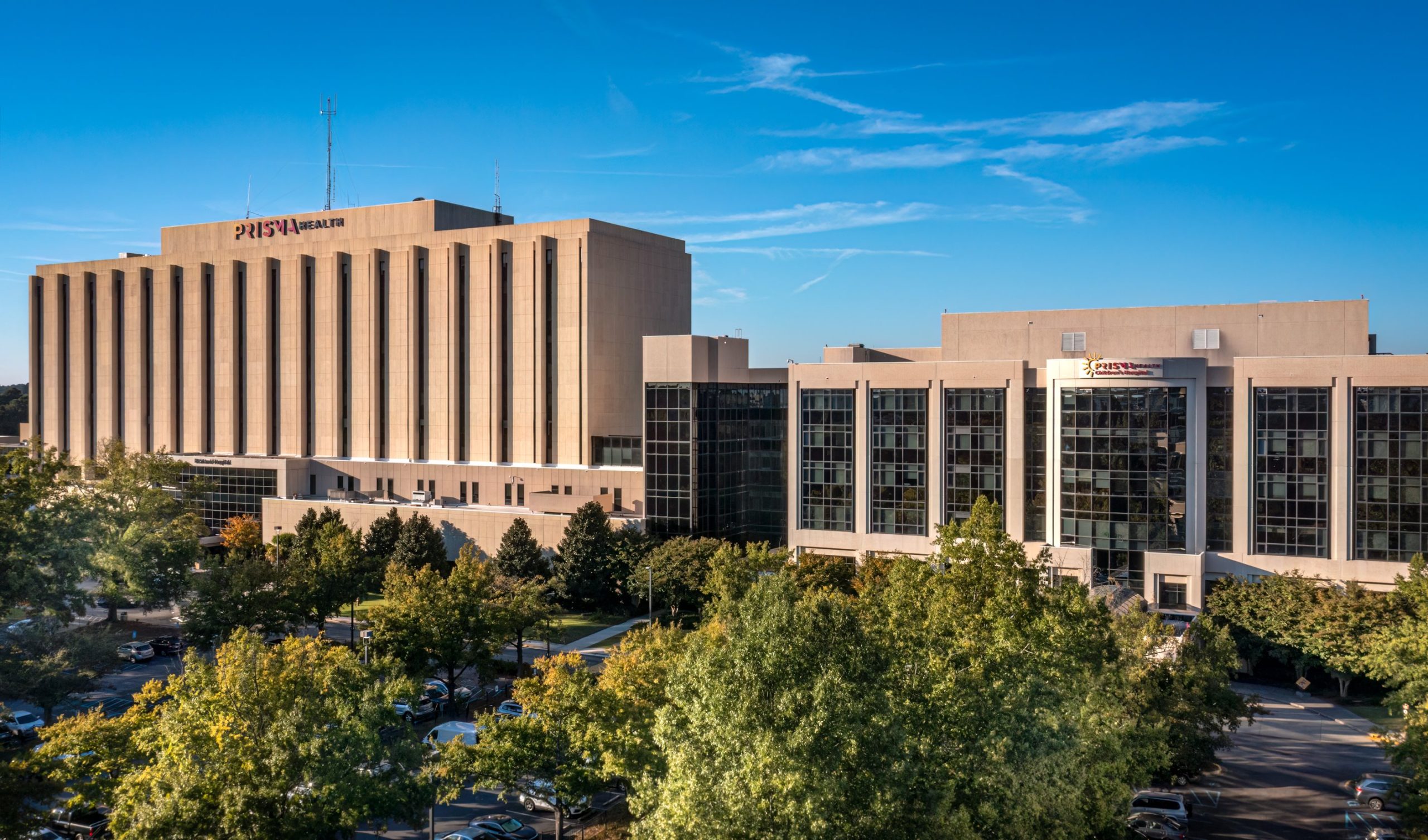
Prisma Health Richland Hospital
Downtown Columbia / 37+ active studies
Cancer, blood disorders, broad hospital research
The flagship Prisma Health hospital in the Midlands. Also, by far the biggest trial operation in the Columbia metro.
Visit Website →
University of South Carolina
Columbia / 27+ active studies
Stroke recovery, physical activity, community health
Notably, a research university that runs federally funded health studies across the Midlands. Specifically, topics range from stroke rehab to disease prevention.
Visit Website →
Bogan Sleep Consultants
Columbia / 7+ active studies
Narcolepsy, sleep disorders
One of the best known private sleep research sites in the Southeast. Also, it has run sleep trials for decades.
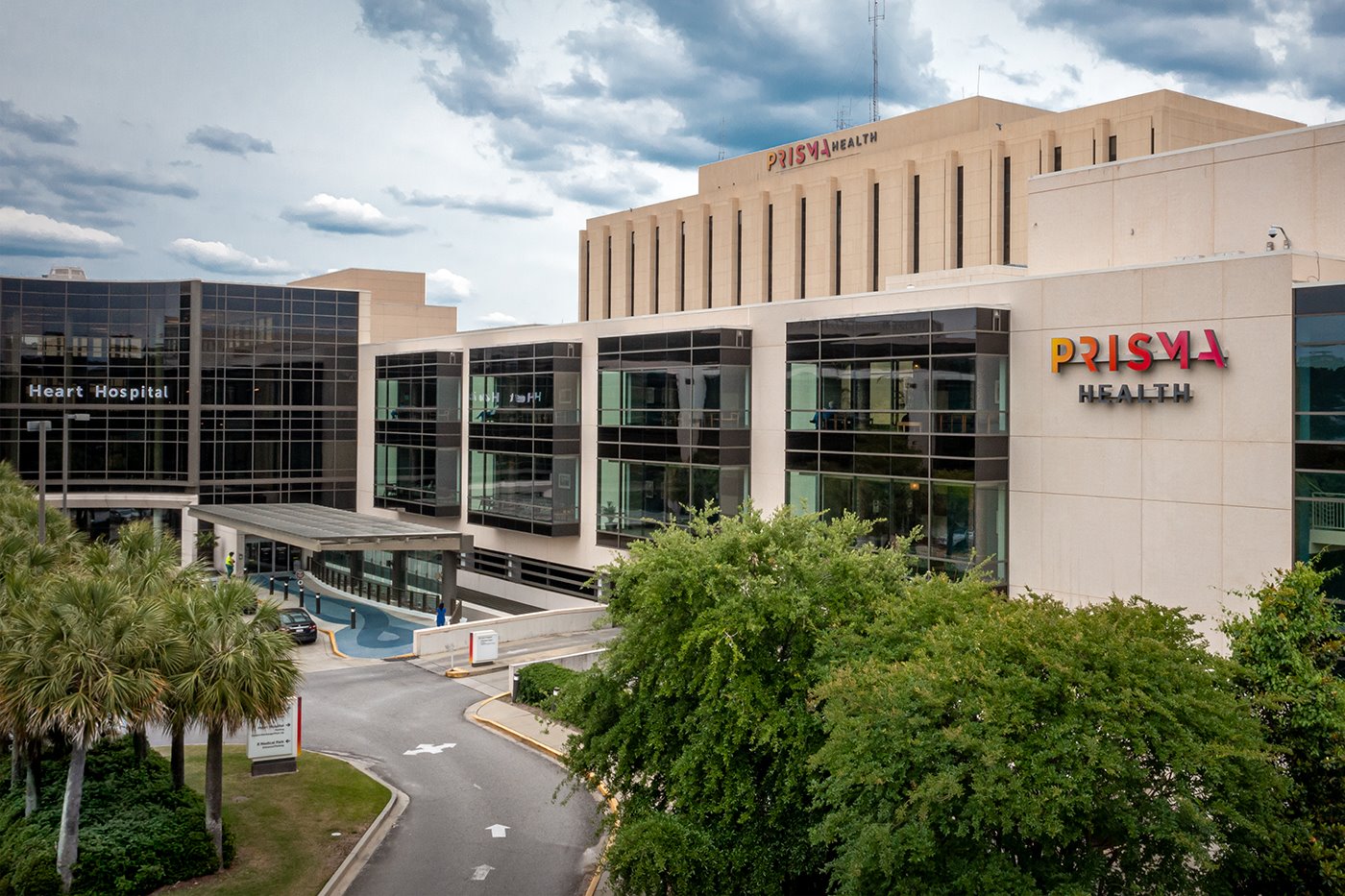
Prisma Health Midlands Cardiovascular
Columbia / 4+ active studies
Cardiovascular disease, heart failure
The heart and vessel research arm of Prisma Health in the Midlands. So it is the natural home for cholesterol trials in Columbia.
Visit Website →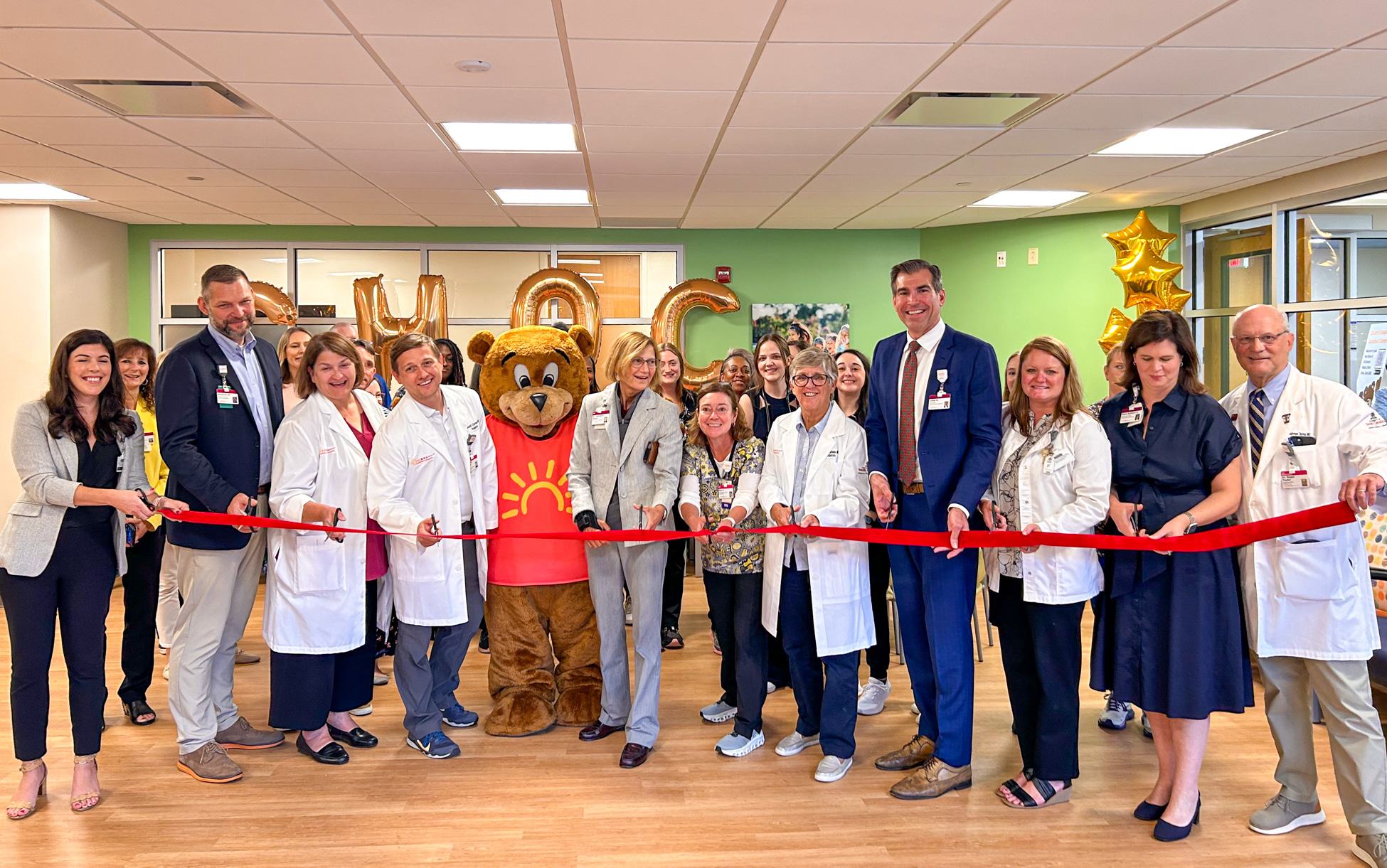
Prisma Health Children’s Hospital, Midlands
Columbia / 4+ active studies
Pediatric growth, cystic fibrosis
Basically, the Midlands hub for children’s research inside the Prisma Health system.
Visit Website →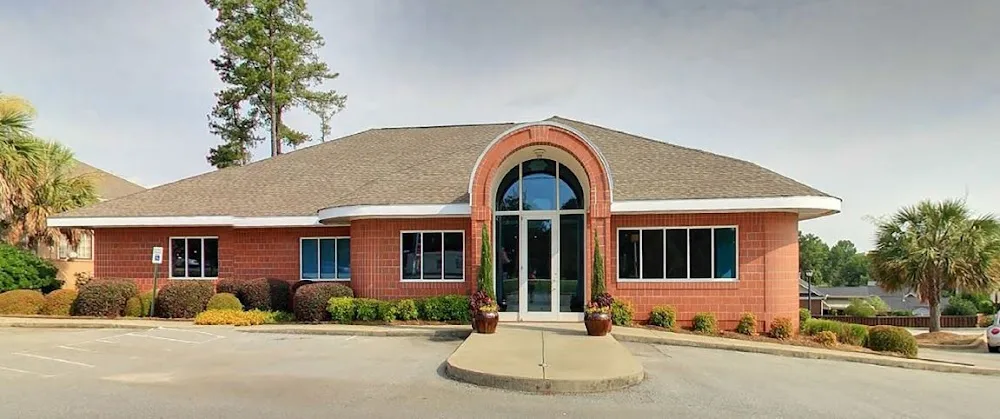
Columbia Dermatology & Aesthetics
Columbia / 4+ active studies
Hidradenitis suppurativa, psoriasis, obesity
A skin care practice with its own research team. It runs both skin and weight studies.
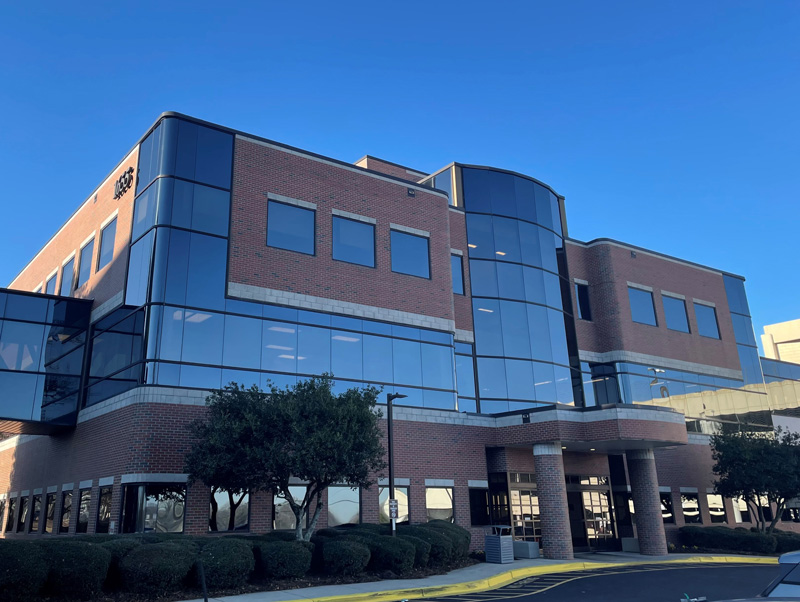
Velocity Clinical Research, Columbia
Columbia / Multiple active studies
COPD, skin conditions, vaccines
Part of one of the biggest research site networks in the country. Besides, it is just the kind of site the huge outcome trials lean on.
Visit Website →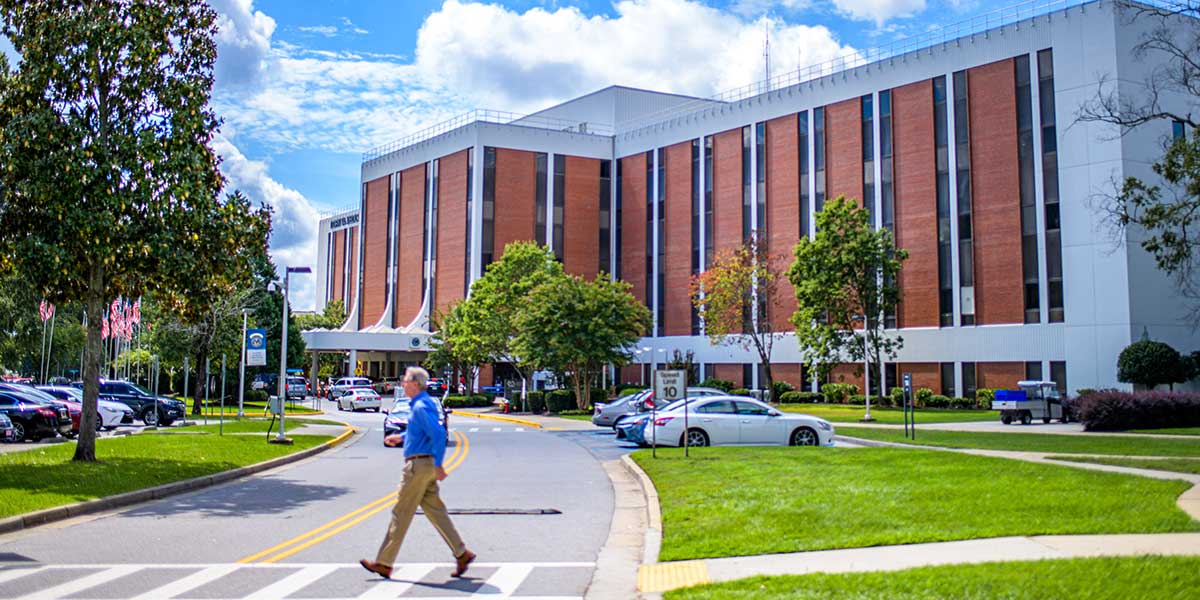
Wm. Jennings Bryan Dorn VA Medical Center
Garners Ferry Road, Columbia / 2+ active studies
Atherosclerosis, liver disease
Columbia’s VA medical center runs studies, including ones on clogged arteries. For veterans, it is often the first door.
Visit Website →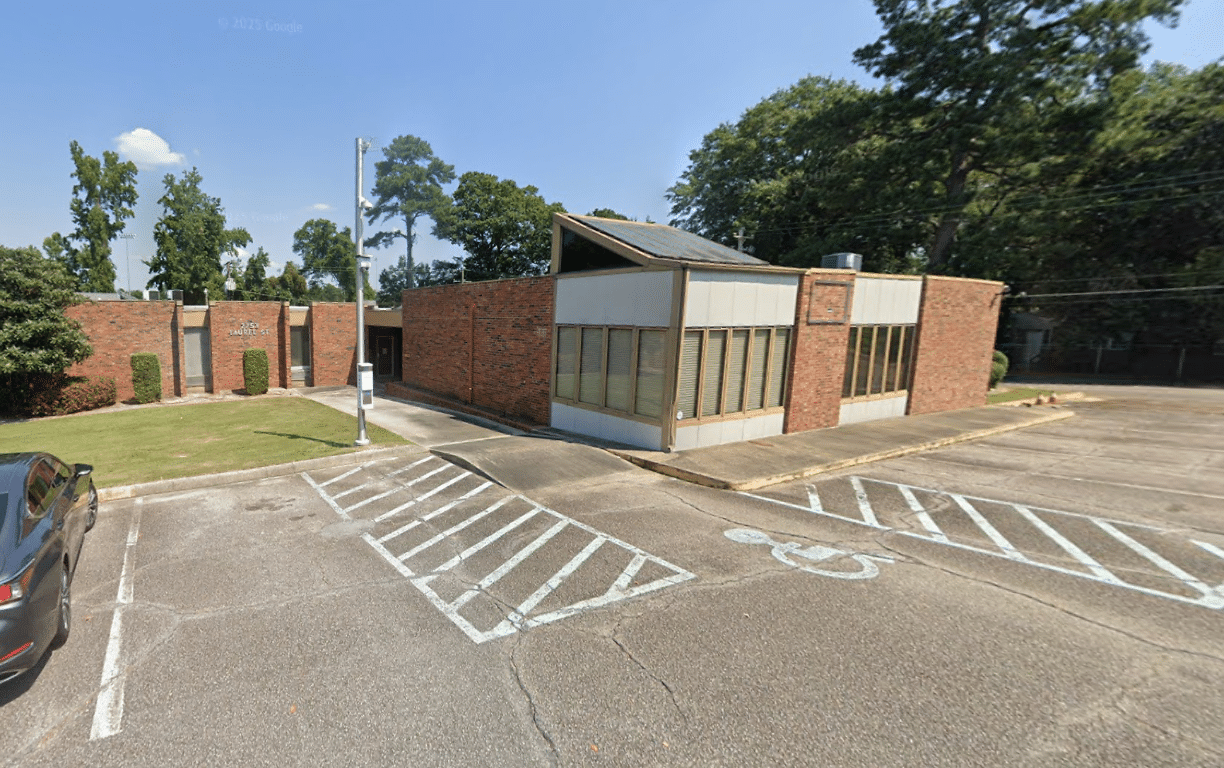
Objective Health, Columbia
Columbia / 2+ active studies
Celiac disease, fatty liver disease
Once called Columbia Digestive Health Research. Now it is part of the Objective Health network. Specifically, it runs gut and liver studies, including fatty liver trials.
Columbia Gastroenterology Associates
Columbia / Active studies
Digestive conditions
A long-running gut health practice. Also, it takes part in digestive trials around Columbia.
What to Expect in a COPD Study
New to studies? Here is how one works, step by step.
01
Prescreening
First comes a short phone call or online form. Also, it takes about 10 to 15 minutes. The staff check whether you might fit. Then they tell you what is open.
02
Screening Visit
Next the clinic runs the tests that decide it, which usually means blood work. Also, they go through the consent form line by line, and you can bring somebody with you.
03
Treatment Period
Then the study begins. So you take the study drug or the placebo on the agreed schedule. Meanwhile, your own doctor keeps managing everything else.
04
Follow-Up
Finally, there is a check in period at the end. Also, your own doctor gets the results, and you can stop at any point without affecting your care.
COPD Trial FAQs
Real answers about COPD studies near Columbia SC.
Is there a COPD study near Columbia?
Yes, three, and all three run right here in Columbia. Notably, all three are add ons, so you keep every inhaler you already take. However, all three want the same three things, which are triple inhaler therapy, a flare on record and an eosinophil count of 150 or higher. So if you are missing one of those, we also list two further north that may still take you.
Will I have to give up my inhalers?
No, in every study on this page, and this is the thing people fear most. These are add ons, which means the study medicine goes on top of what you already take. In most of them, being on your inhalers is actually a condition of getting in. However, one study does swap your inhaler for a study inhaler, and we flag that plainly on its card.
What counts as a flare?
A stretch when your breathlessness, cough and mucus get sharply worse. Moderate means you needed steroid tablets or antibiotics. Severe means the emergency room or a hospital bed. Most studies here need two moderate or one severe in the past year. So dig out when you last had a steroid course, because it decides more than anything else.
What if I have never had a flare?
Then two studies are still open to you, and that is worth knowing. One needs no flare history at all, which is unique here. The other needs just one in the past year. However, the one with no flare requirement also requires that you quit smoking at least 6 months ago. So between them, most people with COPD have a door somewhere.
Why does everyone want my eosinophil count?
Because a discovery a couple of years ago changed the field. It turned out that part of COPD is driven by the same kind of inflammation seen in asthma, and an ordinary blood count finds those people. So several studies here need 150 cells or higher, though two need no count at all.
Can I join if I still smoke?
Yes, for all but one of them, which surprises people. Most COPD studies here actually require 10 or more pack years, and current smokers are welcome. However, one study requires that you quit at least 6 months ago, and current smoking shuts that door. Meanwhile, the asthma studies work the opposite way and rule out anyone with 10 pack years.
Is there a placebo?
In most, yes, but you are never left untreated. The dummy is given on top of your usual inhalers, which carry on unchanged throughout. Also, several studies have two or three active groups against one dummy, so the odds favour the real drug. One study has no dummy at all, because both groups get a real, marketed inhaler.
Should I be tested for alpha-1?
Probably, and this is a useful thing to take away even if you never join a study. Alpha-1 antitrypsin is a protein that protects lung tissue, and some people inherit a faulty gene and make too little. Guidelines say everybody diagnosed with COPD should be tested at least once. However, no alpha-1 study is recruiting in either metro, so this is a test to ask your own doctor for.
How long do these run?
They range widely, so read that line on every card. The shortest intensive part is a matter of days, in the study that only starts when you catch a cold. The longest runs two years. Also, two of them publish their visit count outright, at 9 and at 11, which is rare and worth knowing.
Where can I get COPD care near Columbia SC?
Prisma Health and Lexington Medical Center both run lung clinics across the Midlands, and pulmonary rehab is available. Also, ask for your eosinophil count and for an alpha-1 test by name, because both are easy to get and rarely offered. Your own doctor can refer you to a lung specialist. Meanwhile, if you have had two steroid courses this year, treat that as a reason to go back rather than to cope.
Ready to Explore a Study?
Check your eligibility, or just reach out to our Columbia team. No pressure. Also, no sales pitch.
← Back to All Clinical TrialsSources
- Sirius WIN378 study in COPD, ClinicalTrials.gov NCT07646587
- Cardinal COPD vapendavir study, ClinicalTrials.gov NCT07610395
- JOURNEY tezepelumab study in COPD, ClinicalTrials.gov NCT06878261
- EMBARK tezepelumab study in COPD, ClinicalTrials.gov NCT06883305
- THESEUS lunsekimig study in COPD, ClinicalTrials.gov NCT07190222
- PERSEPHONE lunsekimig study in COPD, ClinicalTrials.gov NCT07190209
- AEOLUS dupilumab mucus plug study, ClinicalTrials.gov NCT07053423
- ENDURA-2 depemokimab study in COPD, ClinicalTrials.gov NCT06961214
- Navigator EXPD-101 study in COPD, ClinicalTrials.gov NCT07684820
- PF-07275315 study in COPD, ClinicalTrials.gov NCT07363694
- THARROS inhaler comparison study, ClinicalTrials.gov NCT06283966
- Regeneron: NOTUS phase 3 data in COPD, with comment from Surya Bhatt, MD, MSPH, University of Alabama at Birmingham
- AstraZeneca: tezepelumab COURSE data in COPD, with comment from Professor Dave Singh, University of Manchester and Sharon Barr
- Regeneron: dupilumab approved as the first biologic for COPD, with comment from Jean Wright, MD, The COPD Foundation
Study details and per-site recruiting status verified against ClinicalTrials.gov on August 16, 2026. Alpha-1 antitrypsin studies appear in searches over these two states, but none has a recruiting site in either metro, so none is listed here. Study availability and criteria change; the research clinic confirms everything before you enroll.