
COLUMBIA, SC
Asthma Clinical Trials
No asthma study is enrolling inside Columbia right now, and there is one specific reason for that. However, six are open within a drive, and in five of them you keep every inhaler you already take. Compensation is provided for eligible participants.
0
In Columbia
6
Within a Drive
+/- $100
Per Visit
New here? Read how this page works
First, nothing is open here, and the reason is unusually specific. So here is how to use this page anyway.
- Find your attack history. Because five of these seven need a documented attack in the past 12 months, and that is the most common reason people are turned away.
- Be honest about smoking and vaping. Notably, vaping counts, and one study checks with a urine test rather than taking your word.
- List any biologic you have ever had. In fact, one study bars an anti TSLP drug for life rather than for a washout period.
- Finally, tap the button. Then we check you against all of them at once and tell you when a new one opens.
Of course, checking never signs you up for anything. You are only seeing where you might fit.
The 6 Asthma Studies Within Reach of Columbia
None is in Columbia. However, the two nearest sit at Rock Hill, which is a little over an hour north.
The closest ones to Columbia
Both of these run at Rock Hill, which is the nearest research site to Columbia by a wide margin. Also, both are added on top of your inhalers.

Turning Off the Alarm, Not the Fire Engines
AstraZeneca / Drug
A shot that blocks IL-33, one of the alarm signals your airway lining fires the moment it is irritated. Blocking it upstream may calm several branches of asthma at once.
Est. about $100 per visit. Ask the site for the total number of visits.
Get on the list →More details
Why researchers are excited: older shots each block one branch of the inflammation. This one aims at the signal that starts all of them.
Who this study is looking for
- Age 18 to 75, with asthma diagnosed at least 12 months ago
- Also, already on a medium or high dose steroid inhaler combined with a LABA
- Besides that, your asthma is not controlled, on both the questionnaire and the breathing test
- Finally, two severe attacks in a year, or one attack plus a raised blood or breath marker
Probably not a fit if: you smoke now, or you have more than 10 pack years. Also, you must fill in the daily diary at least 70 percent of the time to be randomised, which trips up more people than any medical rule here.
- Placebo group: Two dose levels against a dummy, and the ratio is not published. However, your inhalers carry on, because being on them is actually required to get in.
- How long: About 12 months of active taking part.
- Clinic visits: About 12 to 14, worked out from the measurement points on the record.
- Phone calls: Not published on the public record.
- Most invasive part: Blood draws, breathing tests, a breath test called FeNO, and shots under the skin. Notably, no scope, no sputum test and no scan.
- Setting: Outpatient.
- Where it runs: Research Site, Rock Hill SC 29732.
- Drive from Columbia: Rock Hill is about 70 miles north, roughly 1 hour 10 minutes on I-77.
- Worth knowing: the washout for other biologic drugs is not published, so ask the clinic directly if you are on one now.
- Full study record: View on ClinicalTrials.gov →

Jamming the Relay Inside the Cell
Kinaset Therapeutics / Drug
A JAK blocker. JAK is a relay switch inside your cells that passes an inflammatory message inward. Blocking it jams that relay, so several signals get damped at once.
Est. about $100 per visit. Ask the site for the total number of visits.
Get on the list →More details
Why researchers are excited: the shots block one messenger from outside the cell. This works inside the cell instead, so it can quiet more than one pathway.
Who this study is looking for
- Age 18 to 75, with asthma diagnosed at least 12 months ago
- Also, on a medium or high dose steroid inhaler plus a LABA for at least 6 months
- Besides that, your breathing test sits between 40 and 80 percent of predicted
- Finally, at least one attack in the past 12 months while on that treatment
Probably not a fit if: you have ever had a blood clot, or a clotting condition. That is a hard stop for this drug class, and you will not see it in the shot studies. Also, any history of cancer at all rules you out.
- Placebo group: Three doses against a dummy, and the ratio is not published. However, your steroid inhaler and LABA continue, because they are required for entry.
- How long: 12 weeks of treatment, plus screening before and safety checks after.
- Clinic visits: Roughly 7 to 9, though the record only registers the week 12 endpoint. So confirm with the clinic.
- Phone calls: Not published on the public record.
- Most invasive part: Blood draws including clotting and drug levels, breathing tests, a FeNO breath test, a heart tracing and a tuberculosis blood test at screening.
- Setting: Outpatient.
- Where it runs: Research sites, Charlotte NC 28277 and Rock Hill SC 29732.
- Drive from Columbia: Rock Hill is about 70 miles north, roughly 1 hour 10 minutes on I-77.
- Read this first: immune suppressing medicines in the past 3 months rule you out, and so does any oral or skin JAK drug for any reason.
- Full study record: View on ClinicalTrials.gov →
A bit further north
These three sit around Charlotte and Gastonia. In fact, one of them publishes its visit count outright, which almost none do.

Twelve Weeks, and the Visit Count Is Published
Pfizer / Drug
An antibody given as several shots in the clinic across 12 weeks. The main question is whether it improves your breathing test at the end of that.
Est. about $100 per visit. Ask the site for the total number of visits.
Get on the list →More details
Why researchers are excited: unusually for this field, the sponsor publishes exactly what it asks of you, which is 9 clinic visits across about 7 and a half months.
Who this study is looking for
- Age 18 to 70, with a BMI between 18 and 40
- Also, moderate to severe asthma for at least 12 months
- Besides that, on a medium to high dose steroid inhaler plus a LABA for 12 months
- Finally, at least one attack needing steroid tablets for 3 days or more in the past year
Probably not a fit if: you have ever taken a biologic for asthma or for eczema, sinus disease or food pipe inflammation. That is broad, and it catches a lot of people. Also, any steroid tablet within 28 days rules you out.
- Placebo group: Yes, and the ratio is not published. However, your regular inhalers stay exactly as they are, because continuing them is a condition of entry.
- How long: About 7 and a half months, with dosing across the first 12 weeks.
- Clinic visits: 9 clinic visits, and the sponsor states that outright. So this is the clearest schedule on the page.
- Phone calls: Not published on the public record.
- Most invasive part: Blood draws, repeated breathing tests, a FeNO breath test, a heart tracing, and several injections in the clinic across 12 weeks.
- Setting: Outpatient.
- Where it runs: American Health Research, Charlotte NC 28277, Stern Research Partners, Huntersville NC 28078, and Clinical Research of Rock Hill SC 29732.
- Drive from Columbia: Charlotte is about 92 miles north, roughly 90 minutes on I-77.
- Read this first: a previous biologic is an outright bar rather than a washout. So if you have had one, this door is closed rather than delayed.
- Full study record: View on ClinicalTrials.gov →

One Injection Every Six Months
Generate Biomedicines / Drug
An add on shot for people whose asthma is still bad on strong inhalers. What sets it apart is the timing, because you get it twice a year rather than every two or four weeks.
Est. about $100 per visit. Ask the site for the total number of visits.
Get on the list →More details
Why researchers are excited: every other asthma shot needs a visit every few weeks. So twice a year would change the whole shape of treatment.
Who this study is looking for
- Age 12 to 80, with asthma diagnosed at least 2 years ago
- Also, on a medium to high dose steroid inhaler for a year, plus another controller
- Besides that, at least two asthma attacks needing steroid tablets in the past 12 months
- Finally, your breathing test is limited and improves after a rescue inhaler
Probably not a fit if: you smoke now, or you have 10 or more pack years in your history, however long ago you quit. Also, vaping counts as smoking here, and any previous anti TSLP drug bars you for life.
- Placebo group: Yes, and the ratio is not published. However, you keep every one of your inhalers, because this is added on top. Also, an open extension afterwards offers the real drug to everybody.
- How long: About 21 months, or up to 33 with the optional extension.
- Clinic visits: About 14 to 16. The sponsor says visits are every 1 to 2 months after the first month.
- Phone calls: Not published on the public record.
- Most invasive part: Blood draws and breathing tests at most visits, plus a twice daily symptom diary. Notably, only two injections in the main year, and no scope, no sputum test and no scan.
- Setting: Outpatient.
- Where it runs: Research Site, Gastonia NC 28054.
- Drive from Columbia: Gastonia is about 95 miles north, so roughly 1 hour 35 minutes.
- Read this first: if you have ever taken an anti TSLP drug you can never join, and that is a lifetime bar rather than a waiting period.
- Full study record: View on ClinicalTrials.gov →

Putting the Steroid Into the Rescue Inhaler
Teva / Drug
One inhaler holding both a steroid and the fast acting reliever, so that every time you treat symptoms you also treat the swelling causing them. It is compared against each part alone and against a dummy.
Est. about $100 per visit. Ask the site for the total number of visits.
Get on the list →More details
Why researchers are excited: a plain blue reliever opens the airway but does nothing about the swelling. So people feel better, use more, and drift toward an attack with no steroid on board.
Who this study is looking for
- Asthma diagnosed at least 6 months ago
- Also, age 12 or older, with no upper age limit at all
- Besides that, you use a reliever inhaler now, with or without a daily controller
- Finally, you do not need to be on a controller to qualify
Probably not a fit if: any tobacco, vaping or marijuana in the past 6 months, and they check with a urine test rather than taking your word. Also, 10 or more pack years rules you out.
- Placebo group: Be clear on this one. Unlike everything else here, this is not an add on. You use the study inhaler in place of your own, and one of the four groups gets an inhaler with no medicine in it for 4 weeks. So weigh that before you call.
- How long: About 10 weeks in total, with 4 weeks of treatment.
- Clinic visits: About 5 or 6. However, two of those are long days, because breathing is measured repeatedly over 6 hours.
- Phone calls: Not published on the public record.
- Most invasive part: Two 6 hour clinic days with repeated breathing tests, blood draws for drug levels on those days, and a urine test for smoking. Also, dosing is four times a day, which is demanding.
- Setting: Outpatient.
- Where it runs: Teva Investigational Sites, Charlotte NC 28207 and Rock Hill SC 29732.
- Drive from Columbia: Charlotte is about 92 miles north, roughly 90 minutes on I-77.
- Read this first: this is the one study on the page where you may spend a month on an inhaler containing nothing. We would rather say that plainly than bury it.
- Full study record: View on ClinicalTrials.gov →
Nothing is given and nothing is stopped
This one changes no part of your treatment at all. So it is the easiest yes if you are nervous.

Nothing Is Given, Nothing Is Stopped
Sanofi / Observational
Nothing is tested on you. Researchers build a real picture of who has asthma, how severe it is, what people take, and what it costs them in missed work and school.
Payment is not published. However, your treatment does not change.
Read the details →More details
Why researchers are excited: it sorts people by whether their inflammation is the allergic type or not. So it counts the group that older shots never helped, which nobody has measured properly.
Who this study is looking for
- Part 1 takes age 6 and up. Part 2 takes adults 18 and up
- Also, asthma diagnosed at least 12 months ago
- Besides that, you are on a steroid inhaler at any dose, plus other treatment
- Finally, for the longer part, you fit one of four groups by control and marker
Probably not a fit if: you are already in another study, or you were in the past 3 months. That catches more people here than any medical rule. Also, COPD or heart failure rules you out.
- Placebo group: None at all, and no study drug either. You keep every medicine you are on, unchanged.
- How long: Part 1 is a single visit. Part 2 runs 104 weeks, so two years.
- Clinic visits: Part 1 is 1 visit. Part 2 is about 3, at the start and at weeks 52 and 104.
- Phone calls: Not published on the public record.
- Most invasive part: Minimal. Breathing tests, a blood draw for markers, and questionnaires. Notably, no injections, no scope and no scan.
- Setting: Outpatient.
- Where it runs: Clinical Research of Gastonia NC 28054 and Clinical Research of Rock Hill SC 29732.
- Drive from Columbia: Rock Hill is about 70 miles north, roughly 1 hour 10 minutes on I-77.
- Why we list it: if you are worried about losing your inhaler, look here first. Nothing is started, stopped or changed.
- Full study record: View on ClinicalTrials.gov →
Not sure which one fits you?
First, answer a few quick health questions. Then we check you against all 6 studies. Finally, we call you when one opens near Columbia. No account, no paperwork.
See if I may fit one of these studies →What Is Actually Changing in Asthma
Three real shifts, and one of them changes your rescue inhaler.
What Is Happening in Your Airways
The tubes that carry air into your lungs are swollen and touchy. When something sets them off, three things happen at once. The muscle around the tube squeezes, the lining swells, and sticky mucus fills the middle. So the wheezing and the tightness are that tube getting narrow, not your lungs failing.
The Word You Will See Everywhere
An exacerbation is an asthma attack. It means a stretch of days when things get much worse and you need extra treatment, usually steroid tablets. Trials care about attacks more than almost anything else, because they are what actually harm people. In fact, five of the seven studies here need you to have had one on record.
How It Gets Measured
You blow hard into a tube, which is called spirometry, and the key number is how much air you shift in the first second. Then you take a puff of a reliever and blow again. If that number jumps by at least 12 percent and 200 mL, that points to asthma. Also, two other tests come up constantly, a breath test called FeNO and a blood count of one white cell type.
The Biologic Era
Ten years ago, somebody on maximum inhalers had one option left, which was steroid tablets for the long term, with the weight gain, thin bones and cataracts that come with them. Then targeted shots arrived, each blocking one messenger driving the inflammation. As Jonathan Corren of UCLA put it, these results confirmed that one of those signals is an important driver in severe asthma.
Then Came the Alarm Signals
The older shots work downstream, on one branch each. The newer ones sit upstream, at the source, blocking the alarm your airway lining fires the moment it is irritated. Corren made the point that acting early in the cascade could suit people with either type of asthma, including those left out by shots that only target one pathway. Notably, one study here works at exactly that level.
Your Rescue Inhaler Is Changing
This is the biggest change to everyday asthma care in thirty years. A plain blue reliever opens the tube but does nothing about the swelling underneath. So people feel better, use more of it, and drift toward an attack with no steroid on board. In fact, two studies here test putting an anti inflammatory into the reliever itself.
Who the New Drugs Were Built For
George Yancopoulos of Regeneron named the two groups plainly when one of these drugs was approved, the people with the allergic pattern of inflammation and the people stuck on steroid tablets. Meanwhile, Kenneth Mendez of the Asthma and Allergy Foundation of America said his organisation supports new options for people who struggle with uncontrolled symptoms. So the direction of travel is clear, and it is toward getting people off long term steroid tablets.
Research Sites Near Columbia
Prisma Health and Lexington Medical Center run lung and allergy clinics across the Midlands. But sites add new studies all the time, so it is worth knowing what sits near you.
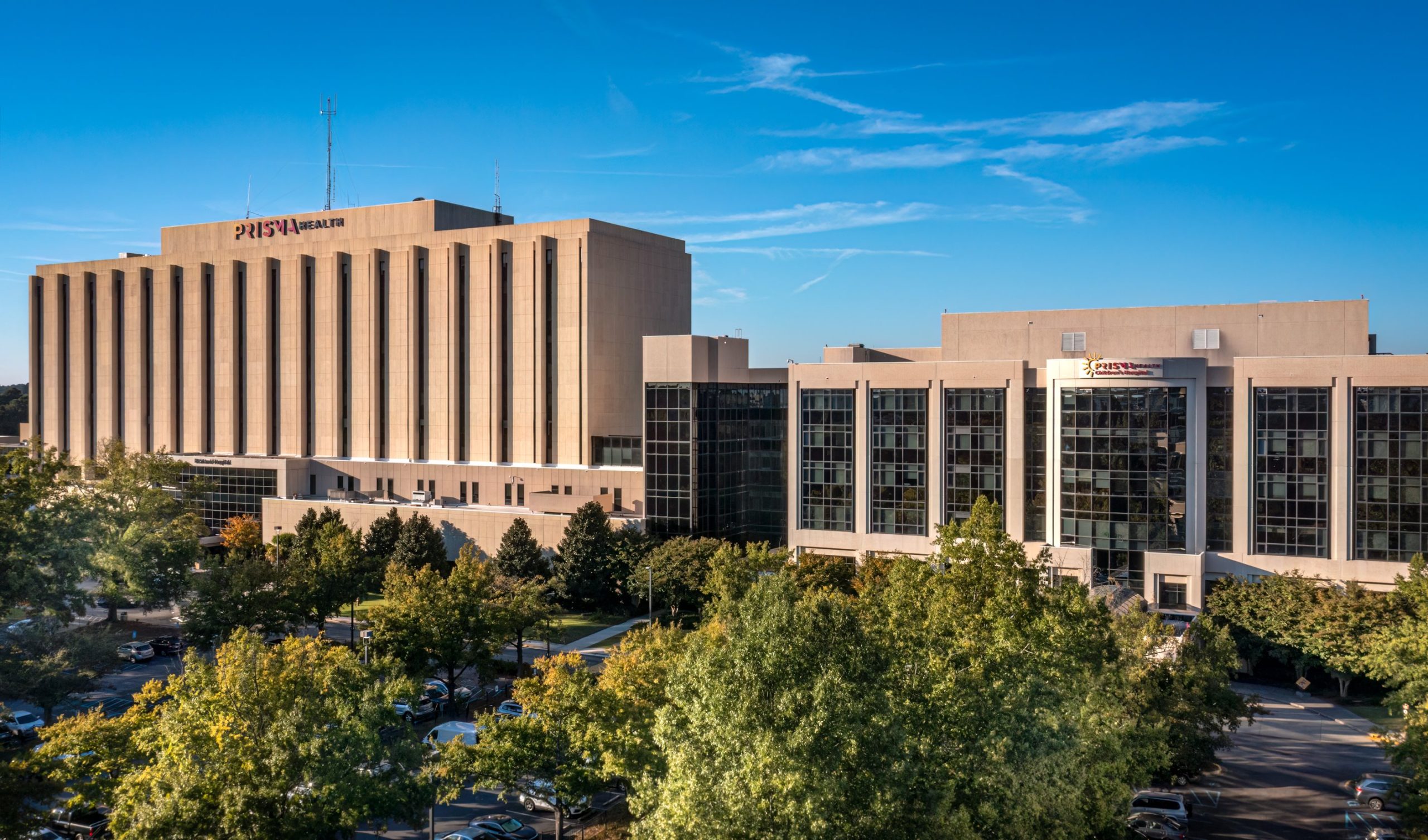
Prisma Health Richland Hospital
Downtown Columbia / 37+ active studies
Cancer, blood disorders, broad hospital research
The flagship Prisma Health hospital in the Midlands. Also, by far the biggest trial operation in the Columbia metro.
Visit Website →
University of South Carolina
Columbia / 27+ active studies
Stroke recovery, physical activity, community health
Notably, a research university that runs federally funded health studies across the Midlands. Specifically, topics range from stroke rehab to disease prevention.
Visit Website →
Bogan Sleep Consultants
Columbia / 7+ active studies
Narcolepsy, sleep disorders
One of the best known private sleep research sites in the Southeast. Also, it has run sleep trials for decades.
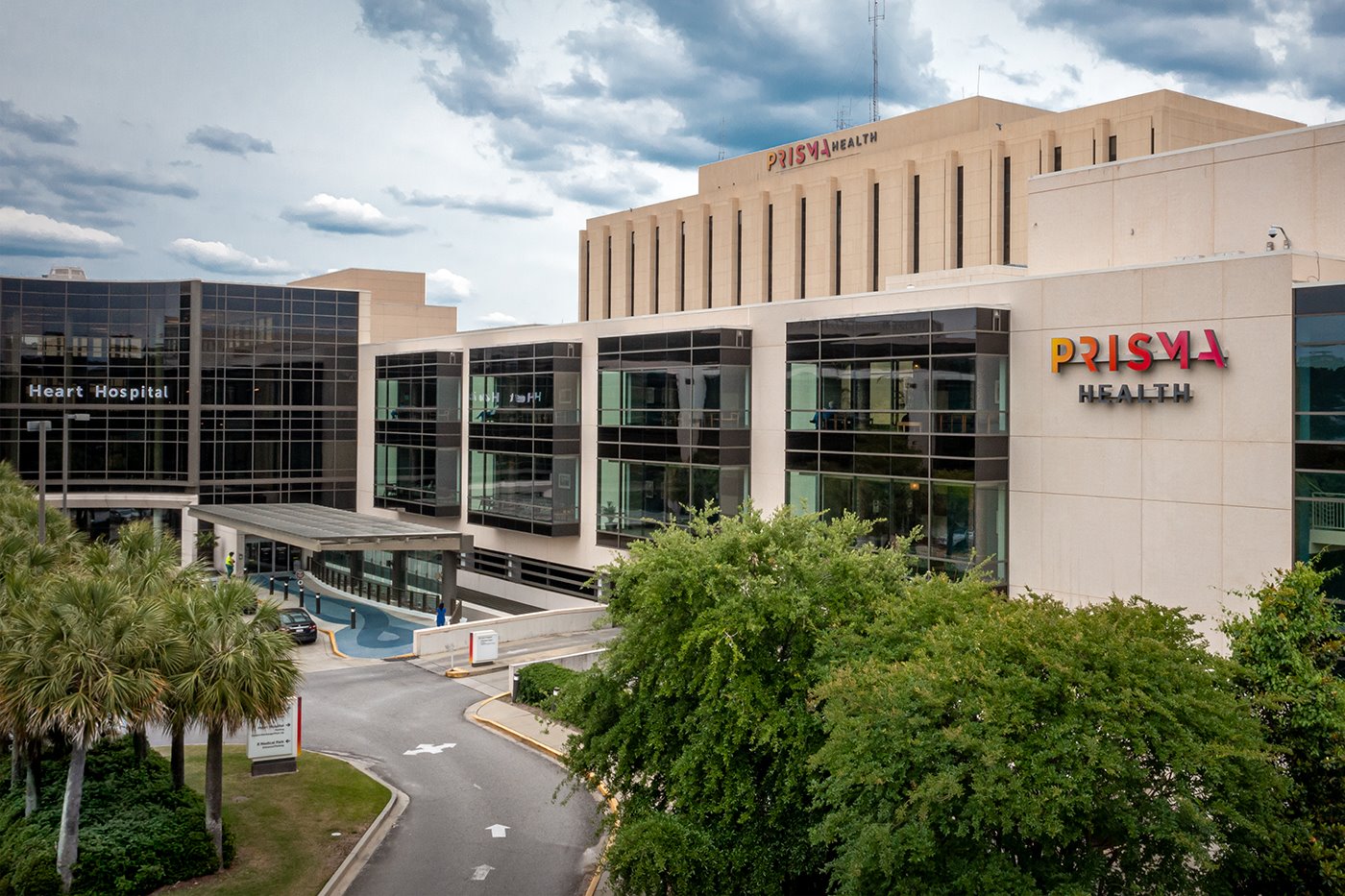
Prisma Health Midlands Cardiovascular
Columbia / 4+ active studies
Cardiovascular disease, heart failure
The heart and vessel research arm of Prisma Health in the Midlands. So it is the natural home for cholesterol trials in Columbia.
Visit Website →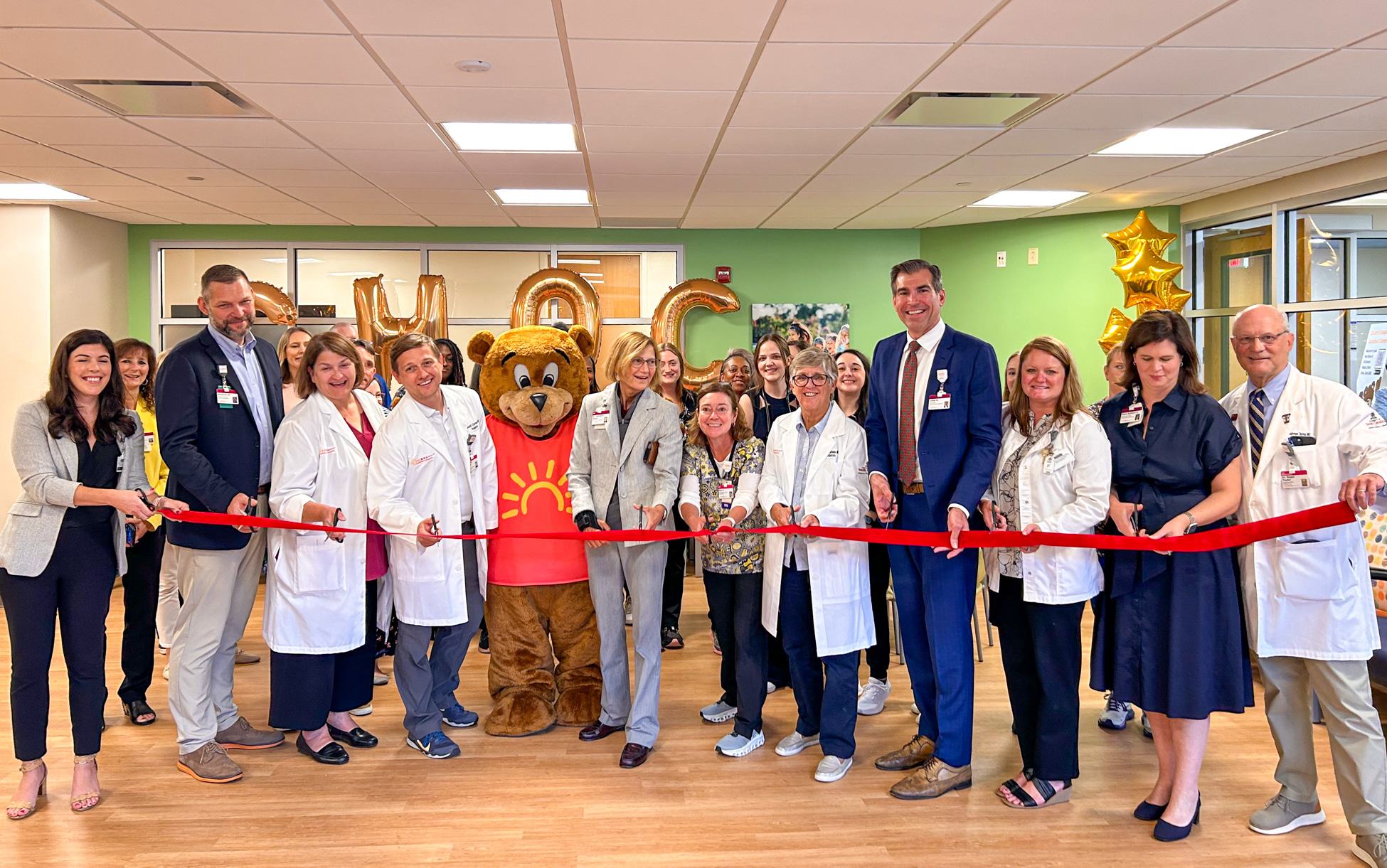
Prisma Health Children’s Hospital, Midlands
Columbia / 4+ active studies
Pediatric growth, cystic fibrosis
Basically, the Midlands hub for children’s research inside the Prisma Health system.
Visit Website →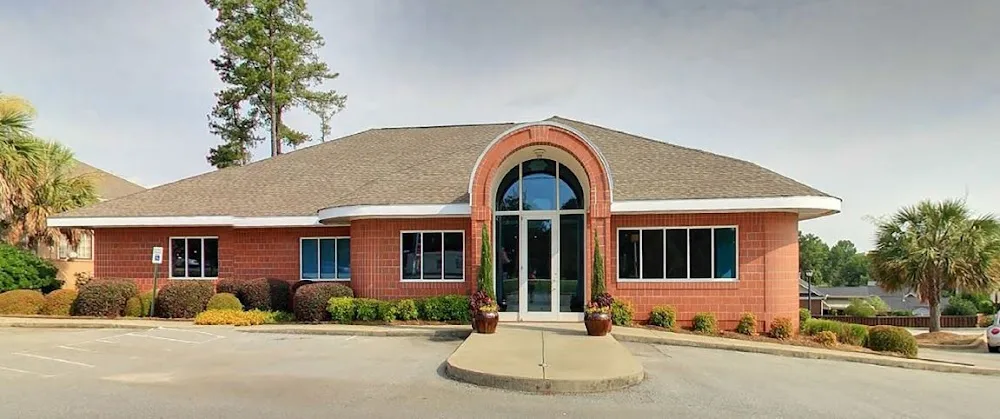
Columbia Dermatology & Aesthetics
Columbia / 4+ active studies
Hidradenitis suppurativa, psoriasis, obesity
A skin care practice with its own research team. It runs both skin and weight studies.
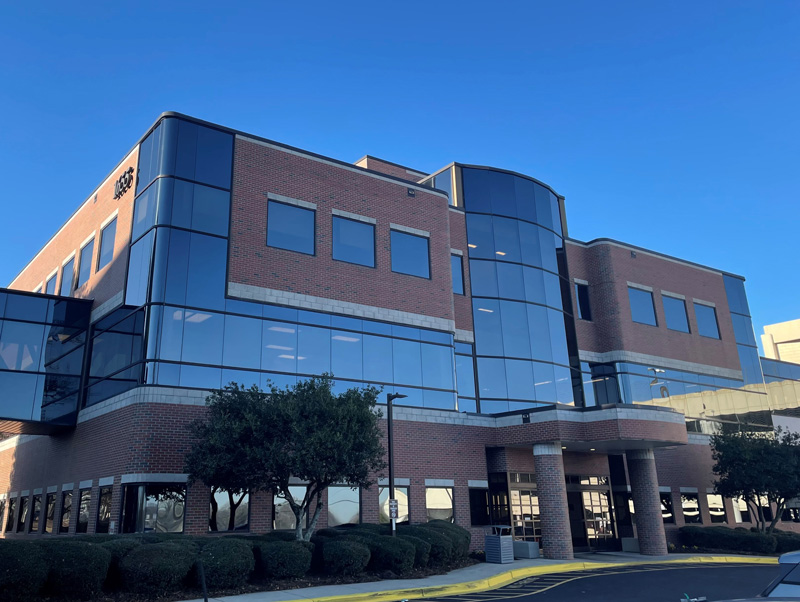
Velocity Clinical Research, Columbia
Columbia / Multiple active studies
COPD, skin conditions, vaccines
Part of one of the biggest research site networks in the country. Besides, it is just the kind of site the huge outcome trials lean on.
Visit Website →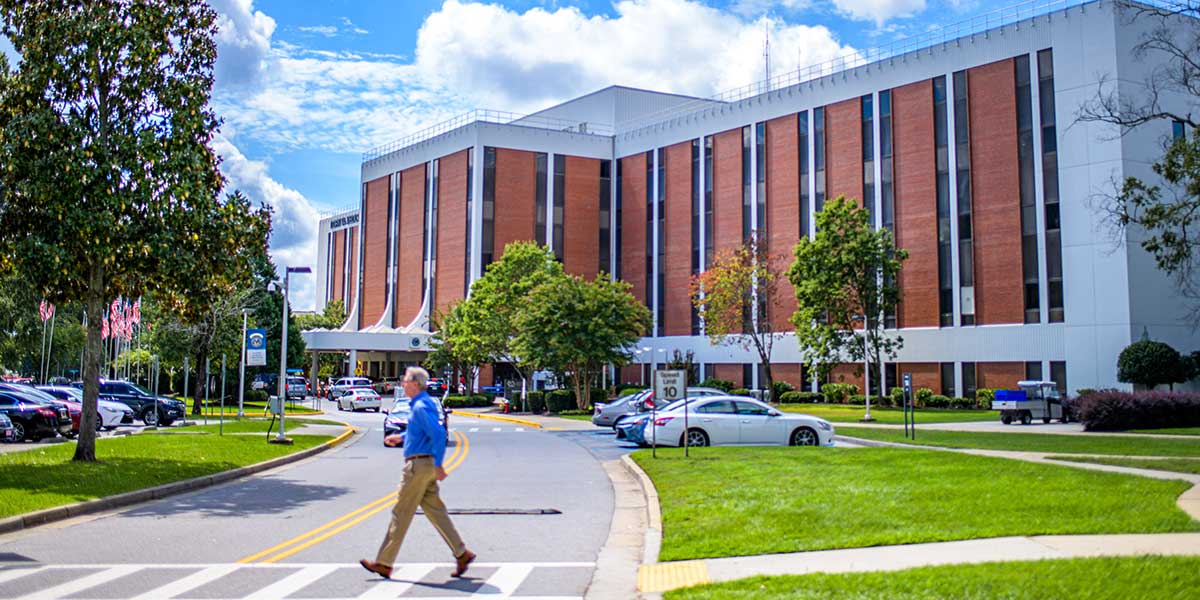
Wm. Jennings Bryan Dorn VA Medical Center
Garners Ferry Road, Columbia / 2+ active studies
Atherosclerosis, liver disease
Columbia’s VA medical center runs studies, including ones on clogged arteries. For veterans, it is often the first door.
Visit Website →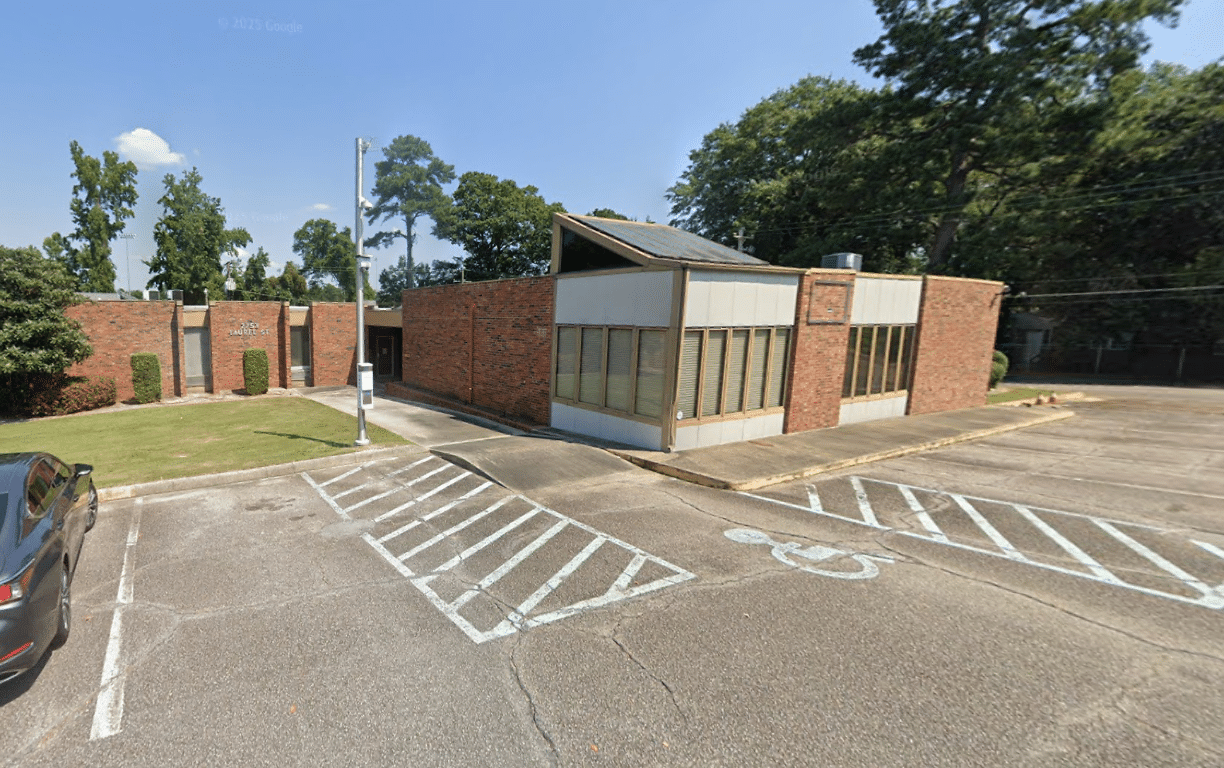
Objective Health, Columbia
Columbia / 2+ active studies
Celiac disease, fatty liver disease
Once called Columbia Digestive Health Research. Now it is part of the Objective Health network. Specifically, it runs gut and liver studies, including fatty liver trials.

Columbia Gastroenterology Associates
Columbia / Active studies
Digestive conditions
A long-running gut health practice. Also, it takes part in digestive trials around Columbia.
What to Expect in an Asthma Study
New to studies? Here is how one works, step by step.
01
Prescreening
First comes a short phone call or online form. Also, it takes about 10 to 15 minutes. The staff check whether you might fit. Then they tell you what is open.
02
Screening Visit
Next the clinic runs the tests that decide it, which usually means blood work. Also, they go through the consent form line by line, and you can bring somebody with you.
03
Treatment Period
Then the study begins. So you take the study drug or the placebo on the agreed schedule. Meanwhile, your own doctor keeps managing everything else.
04
Follow-Up
Finally, there is a check in period at the end. Also, your own doctor gets the results, and you can stop at any point without affecting your care.
Asthma Trial FAQs
Real answers about asthma studies near Columbia SC.
Is there an asthma study near Columbia?
Not inside Columbia, no, and the reason is specific. One study still reads open overall, but its Columbia site has finished enrolling, and that is the only thing standing between this page and a count of one. However, six sit within a drive, and the two closest are at Rock Hill, a little over an hour north. Also, in five of the six you keep every inhaler you already use.
Will I have to give up my inhalers?
In six of the seven, no, and this is the thing people fear most. Those studies are add ons, which means the study medicine goes on top of what you already take. In several of them, staying on your inhalers is actually a condition of getting in. However, one study is different, because it swaps your reliever for a study inhaler, and we flag that on its card.
What counts as an asthma attack?
A stretch of days when your asthma got much worse and you needed extra treatment, usually steroid tablets. Sometimes it means an emergency room visit or a hospital stay. Five of the seven studies here need at least one on record in the past 12 months, and two need two. So dig out when you last had a steroid course, because it decides a lot.
Does vaping count as smoking?
Yes, in every study here, and people are caught out by this constantly. Current smokers are excluded outright, and so is anyone with 10 or more pack years, however long ago they quit. Vapes, e cigarettes, hookah and marijuana all count. Also, one study confirms it with a urine test rather than taking your word.
I have had a biologic before. Can I still join?
It depends which one, and this is worth getting right before you call. One study bars any anti TSLP drug for life, which is a permanent rule rather than a waiting period. Another bars any previous biologic outright. However, the primary care study allows biologics if you have been steady on one for more than 6 months.
What are eosinophils, and do I need a high count?
They are a type of white blood cell tied to allergic inflammation, measured on an ordinary blood draw. Only one study here uses that count as a real gate, and even there it is a side door rather than the main entrance. So a low count does not shut you out the way it once did. In fact, that is exactly why the newer drugs aimed at the alarm signals matter.
Is there a placebo?
In most of them yes, but you are not left untreated. The add on studies give the dummy on top of your usual inhalers, which carry on unchanged. One study has no placebo at all, and the observational one gives nothing to anybody. However, the rescue inhaler study does have a group on an inhaler with no medicine for 4 weeks, and we say so on its card.
Do I need insurance?
No. None of these require insurance. The study medicine and the study visits are provided at no cost. Also, you keep your own doctor throughout, and results go back to them. You would always call the clinic yourself.
How long do these run?
They range widely, so read that line on every card. The shortest is about 10 weeks. The longest runs close to three years with its extension. Also, one publishes its visit count outright at 9, which is rare and worth knowing. So match the commitment to what you can realistically do.
Where can I get asthma care near Columbia SC?
Prisma Health and Lexington Medical Center both run lung and allergy clinics across the Midlands. Also, ask for spirometry and a FeNO breath test by name, because those two numbers shape every decision here. Your own doctor can refer you to a lung or allergy specialist. Meanwhile, if you are using your blue inhaler more than twice a week, treat that as a reason to go back rather than to cope.
Ready to Explore a Study?
Get on the list, or just reach out to our Columbia team. No pressure. Also, no sales pitch.
← Back to All Clinical TrialsSources
- SOLAIRIA-1 GB-0895 study in severe asthma, ClinicalTrials.gov NCT07276724
- Umbriel tozorakimab study in asthma, ClinicalTrials.gov NCT06932263
- PANAIRAMA frevecitinib study in asthma, ClinicalTrials.gov NCT07532265
- PF-07275315 study in moderate to severe asthma, ClinicalTrials.gov NCT06977581
- Fluticasone propionate and albuterol sulfate rescue inhaler study, ClinicalTrials.gov NCT06664619
- iTREAT-PC primary care asthma study, ClinicalTrials.gov NCT07052942
- AIRITY observational asthma study, ClinicalTrials.gov NCT07556159
- Amgen: tezepelumab reduced asthma exacerbations across a broad population, with comment from Jonathan Corren, MD, UCLA
- Regeneron: FDA approval of dupilumab in asthma, with comment from George D. Yancopoulos, MD, PhD and Kenneth Mendez of AAFA
Study details and per-site recruiting status verified against ClinicalTrials.gov on August 16, 2026. One study lists a Columbia SC site that has completed enrolment, and another lists a Huntersville NC site that was withdrawn, so neither is counted here. Study availability and criteria change; the research clinic confirms everything before you enroll.