
COLUMBIA, SC
Hepatitis B and Hepatitis C Clinical Trials
No hepatitis study is enrolling in Columbia right now. However, three sit within a drive, and none uses a dummy in the usual sense. Also, hepatitis C is curable today without a trial at all.
0
In Columbia
3
Within a Drive
+/- $100
Per Visit
New here? Read how this page works
First, hepatitis B and hepatitis C are in completely different places, and lumping them together is what most sites get wrong. So here is how to use this page.
- Work out which letter you have. Because hepatitis C is curable today and hepatitis B is not, so they lead to different places.
- If it is C, ask for both tests. Notably, an antibody test alone is an unfinished job, and you also need the RNA test.
- If it is B, talk about trials before you start treatment. In fact, once you start a daily virus pill most trial doors close, and you must never stop to qualify.
- Finally, put your name in. Then we call you the day a hepatitis study opens near you.
Of course, checking never signs you up for anything. You are only seeing where you might fit.
Hepatitis Studies Within Reach of Columbia
None is in Columbia. However, all three sit in North Carolina, so the drive is the first thing to weigh.
The one genuinely new hepatitis B drug within reach
Notably, there is no placebo in this one at all, because everybody receives a real antiviral. However, you cannot be on treatment now.

A New Pill for Hepatitis B, Against the Standard One
Aligos Therapeutics / Drug
Today’s drugs push hepatitis B down to nothing but do not clear it, so most people take a pill for life. This tests a new pill that jams the shell the virus builds around itself.
Payment is not published. However, Durham is the only Carolina site and it is open.
Get on the list →More details
Why researchers are excited: the goal in hepatitis B has moved from holding the virus down to a functional cure, meaning you could stop treatment and stay well. So drugs like this are stepping stones.
Who this study is looking for
- Adults 18 to 65, with a BMI between 18 and 35
- Also, A diagnosis of long term hepatitis B
- Besides that, virus still detectable in your blood
- Finally, either never treated, or off treatment for at least 6 months
Probably not a fit if: you are on hepatitis B treatment right now, and that is the big one. Also, any scarring of the liver rules you out, as does being over 65.
- Placebo group: None at all. Everybody gets a real virus drug, either the new pill or the approved one. Also, after 48 weeks everybody is offered the new drug for another 48.
- How long: 96 weeks, so about 2 years.
- Clinic visits: Not published as a calendar. Dosing is daily at home, with repeated clinic visits across the first 48 weeks, a decision point at week 48, then more through week 96.
- Phone calls: Not published on the public record.
- Most invasive part: Frequent blood draws, a liver scan at the start and heart tracings. Notably, there is an optional biopsy part, so ask directly whether you are in it.
- Setting: Outpatient.
- Where it runs: Aligos Investigational Site, Durham NC 27710.
- Drive from Columbia: Durham is about 230 miles north, roughly 3 hours 30 minutes on I-77.
- Never do this: do not stop hepatitis B treatment to qualify, because stopping can cause a dangerous flare. So raise trial interest with your doctor before you start treatment, not after.
- Full study record: View on ClinicalTrials.gov →
For scarring that is already there
Both of these are for people already cured or controlled. In fact, curing hepatitis C removes the virus but does not undo the scarring.

An Ordinary Cholesterol Tablet, for Liver Scarring
NIDDK, part of the NIH / Drug
Statins are cheap familiar tablets, and doctors have noticed for years that people on them seem to have better liver outcomes. This tests that properly, measuring liver stiffness.
Payment is not published. Notably, everybody takes the real drug for the first 4 weeks.
Get on the list →More details
Why researchers are excited: curing hepatitis C removes the virus but does not undo the scarring already there. So this is one of very few studies aimed at exactly that forgotten group.
Who this study is looking for
- Age 18 to 75
- Also, scarring from fatty liver, alcohol, treated hepatitis B or cured hepatitis C
- Besides that, your liver is still coping, with no fluid, confusion or past bleeding in the last year
- Finally, two liver stiffness readings of 15 or more, taken at least 2 hours apart
Probably not a fit if: you already take a statin, or took one in the past 24 weeks, or have a medical reason to be on one. Since statins are common after 50, that rules out a lot of people who otherwise fit.
- Placebo group: It is a straight 50-50 after the first month. However, every person takes the real drug openly for 4 weeks first, so nobody gets nothing. Also, all your usual liver care continues.
- How long: 100 weeks in total, so about two years.
- Clinic visits: Not published as a calendar. The fixed points are screening, a second stiffness scan at the start, a dispensing visit, then the final measures at week 96.
- Phone calls: Not published on the public record.
- Most invasive part: Blood tests, a painless probe on the skin to measure stiffness, and an MRI scan. Notably, no biopsy is done at all, and an old one counts if you have it.
- Setting: Outpatient.
- Where it runs: Duke Liver Center, Durham NC 27710.
- Drive from Columbia: Durham is about 230 miles north, roughly 3 hours 30 minutes on I-77.
- Read this first: this is for people already cured or controlled, not a treatment for a live infection. Also, low haemoglobin can block you, so untreated anemia matters here.
- Full study record: View on ClinicalTrials.gov →

Could a Blood Test Replace the Scan?
UT Southwestern with the National Cancer Institute / Screening study
People with hepatitis B or liver scarring get checked for liver cancer every 6 months, usually by a scan. Half the people here keep the scan and half switch to a blood test instead.
Payment is not published. However, the visits are ones you would have anyway.
Get on the list →More details
Why researchers are excited: that scan needs a machine, a booking and a skilled operator, and it works poorly in larger bodies. So a blood test could be drawn anywhere.
Who this study is looking for
- Adults 18 to 85
- Also, either liver scarring from any cause, or long term hepatitis B at high risk
- Besides that, you are already due for liver cancer checks
- Finally, life expectancy over 6 months
Probably not a fit if: you have the worst stage of scarring, or any past or suspected liver cancer. Also, warfarin and pregnancy rule you out, because they upset the blood test.
- Placebo group: None, and nobody is left unchecked. It is 50-50, and both groups get real checks every 6 months. Also, an odd result sends you for a full scan.
- How long: The main result is at 5 and a half years, with follow up to 8.
- Clinic visits: Clearly published. A check every 6 months, in whichever group you land. So extra scans happen only if a result is odd.
- Phone calls: Not published on the public record.
- Most invasive part: One blood draw every 6 months, plus a scan if you are in that group. Notably, that scan uses sound waves, so no radiation and no needle.
- Setting: Outpatient.
- Where it runs: University of North Carolina, Chapel Hill NC 27599.
- Drive from Columbia: Chapel Hill is about 225 miles north, roughly 3 hours 25 minutes.
- Worth knowing: this is long, at 5 and a half years. However, the visits are checks you should already be having.
- Full study record: View on ClinicalTrials.gov →
Not sure which one fits you?
First, answer a few quick health questions. Then we check you against all 3 studies. Finally, we call you when one opens near Columbia. No account, no paperwork.
See if I may fit one of these studies →What Is Actually Happening in Hepatitis B and C
One is curable today. The other is in a real cure race.
The Letter Matters More Than the Word
Hepatitis just means the liver is inflamed, and different things cause it. Viruses, alcohol, fat build up, drugs, immune disease. So the word on its own means little. Also, that is why a study about alcohol related liver damage is not a hepatitis study.
Hepatitis C Is Curable, Today, Without a Trial
This is the most important sentence on the page. A short course of tablets, usually 8 to 12 weeks and often one a day, cures it in roughly 95 percent of people. As the CDC’s Jonathan Mermin put it, researchers developed several highly effective cures nearly 10 years ago. So you do not need to wait for research.
The Failure Moved to Delivery
Only about 1 in 3 people found to have hepatitis C in the US shows signs of being cured. Carolyn Wester of the CDC said plainly that nearly a decade after highly effective treatment arrived, a high proportion of people diagnosed still have not been cured. Meanwhile, cure rates are lowest among people with no insurance or on Medicaid, which is where new cases are highest.
Ask for Both Tests, Not One
First an antibody test, which tells you whether you were ever exposed. Then, if that is positive, an RNA test, which tells you whether you still have the virus now. Some people clear it on their own, so a positive antibody test alone does not mean you have it. In short, a positive antibody test without an RNA test is an unfinished job.
If Insurance Says No, Push
Wester also said that coverage rules often make treatment hard to get, and that some payers limit who can get it, or demand a pile of paperwork. Rules based on liver damage or on being sober have been rolled back in many states. So a denial is not a medical decision, and it is not the end of the road.
Hepatitis B Is a Different Story
It is not curable. Treatment holds the virus down very well but does not clear it, so most people take a daily tablet for life. The goal now is a functional cure, meaning you could stop treatment and stay well. Also, there is a safe shot that works, and that is the single best thing available.
And in May 2026 That Stopped Being a Theory
Two large trials of a new shot were published, and about 1 in 5 people reached that cure, against none on placebo. Roughly a quarter were able to stop their daily antiviral. Anna Lok of Michigan called it a major step toward a functional cure and a good option for some patients. However, she added that it needs longer follow up, and that others need other options.
Research Sites Near Columbia
None of them runs a hepatitis study today. But sites add new studies all the time, so it is worth knowing what sits near you.
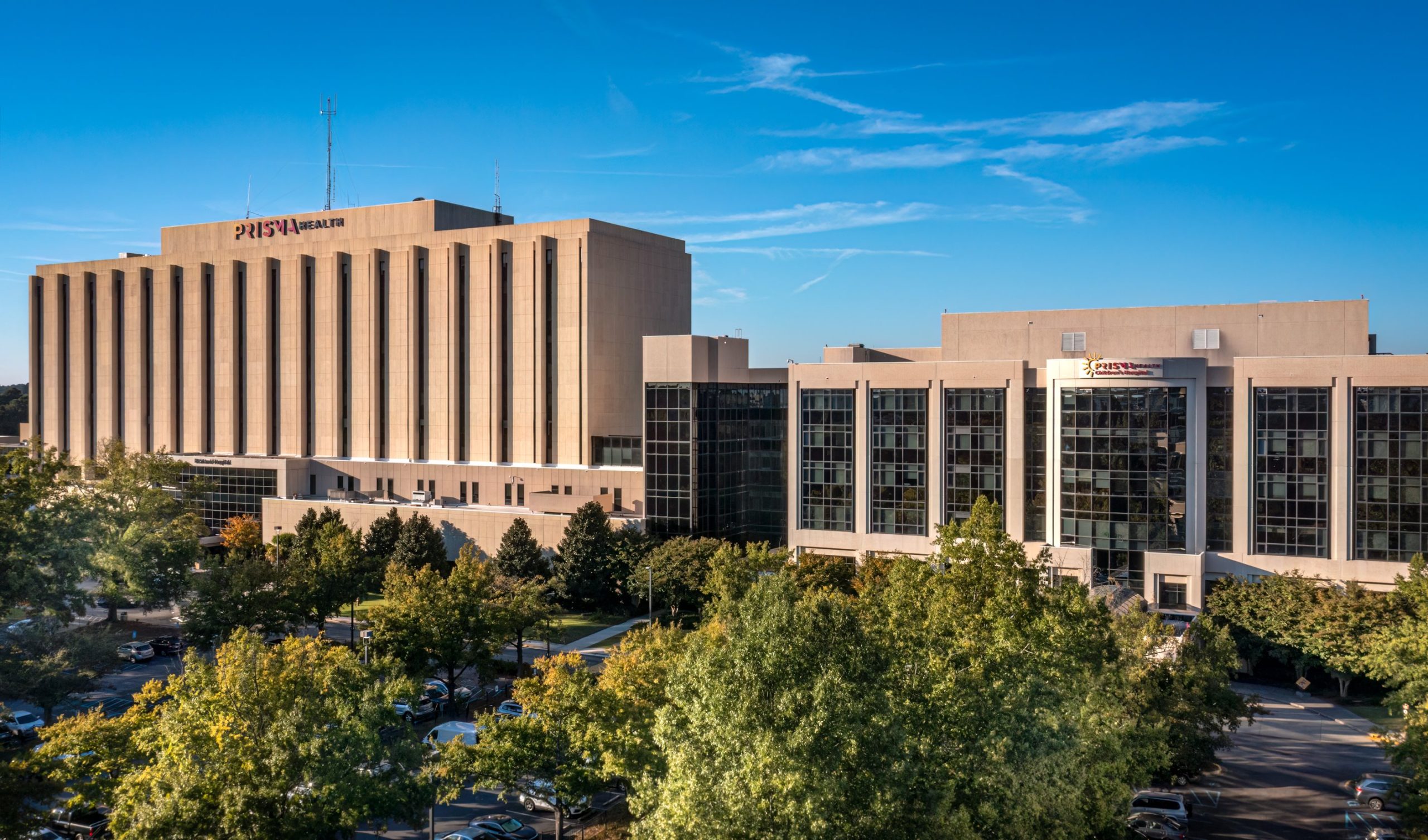
Prisma Health Richland Hospital
Downtown Columbia / 37+ active studies
Cancer, blood disorders, broad hospital research
The flagship Prisma Health hospital in the Midlands. Also, by far the biggest trial operation in the Columbia metro.
Visit Website →
University of South Carolina
Columbia / 27+ active studies
Stroke recovery, physical activity, community health
Notably, a research university that runs federally funded health studies across the Midlands. Specifically, topics range from stroke rehab to disease prevention.
Visit Website →
Bogan Sleep Consultants
Columbia / 7+ active studies
Narcolepsy, sleep disorders
One of the best known private sleep research sites in the Southeast. Also, it has run sleep trials for decades.
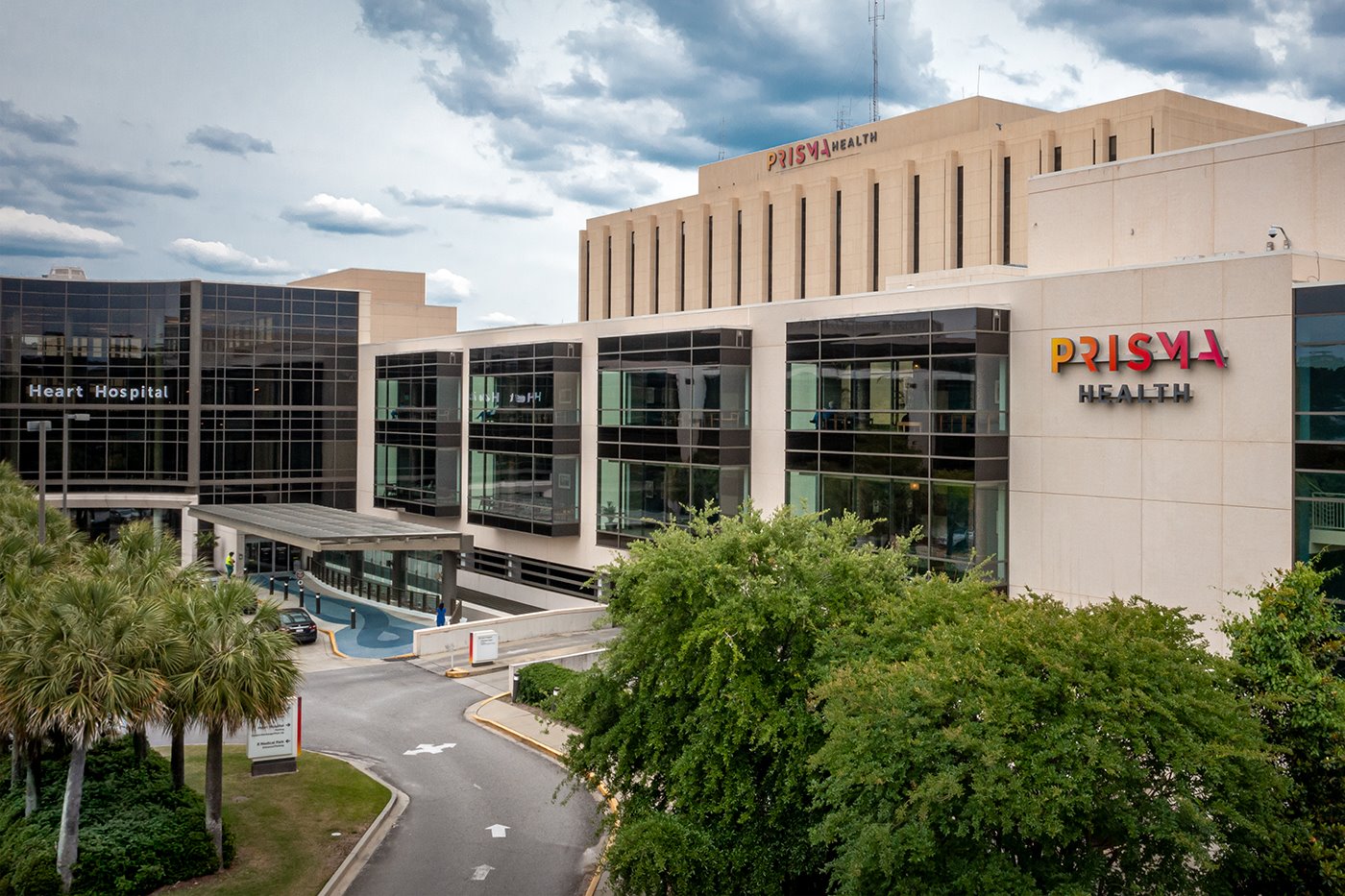
Prisma Health Midlands Cardiovascular
Columbia / 4+ active studies
Cardiovascular disease, heart failure
The heart and vessel research arm of Prisma Health in the Midlands. So it is the natural home for cholesterol trials in Columbia.
Visit Website →
Prisma Health Children’s Hospital, Midlands
Columbia / 4+ active studies
Pediatric growth, cystic fibrosis
Basically, the Midlands hub for children’s research inside the Prisma Health system.
Visit Website →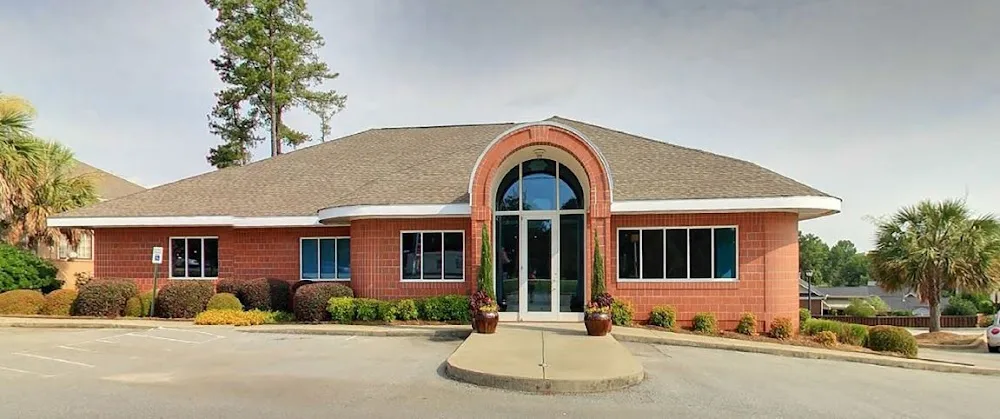
Columbia Dermatology & Aesthetics
Columbia / 4+ active studies
Hidradenitis suppurativa, psoriasis, obesity
A skin care practice with its own research team. It runs both skin and weight studies.
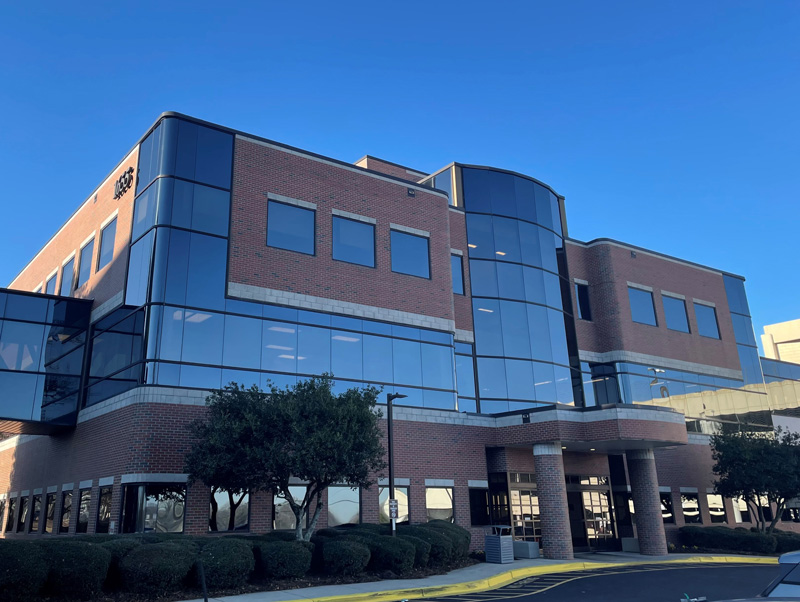
Velocity Clinical Research, Columbia
Columbia / Multiple active studies
COPD, skin conditions, vaccines
Part of one of the biggest research site networks in the country. Besides, it is just the kind of site the huge outcome trials lean on.
Visit Website →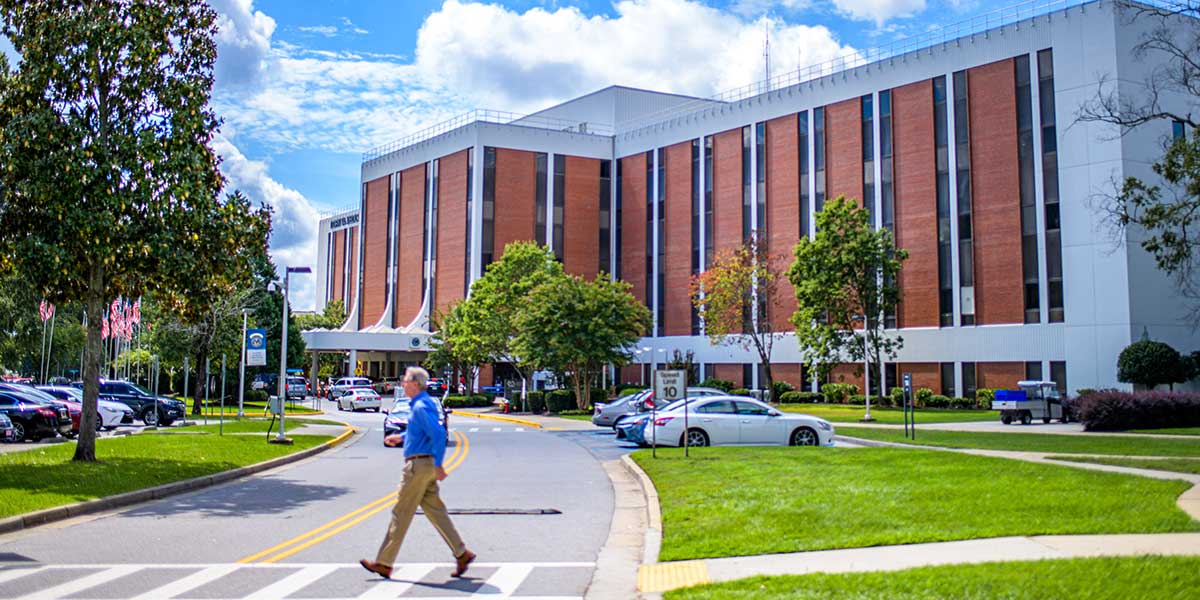
Wm. Jennings Bryan Dorn VA Medical Center
Garners Ferry Road, Columbia / 2+ active studies
Atherosclerosis, liver disease
Columbia’s VA medical center runs studies, including ones on clogged arteries. For veterans, it is often the first door.
Visit Website →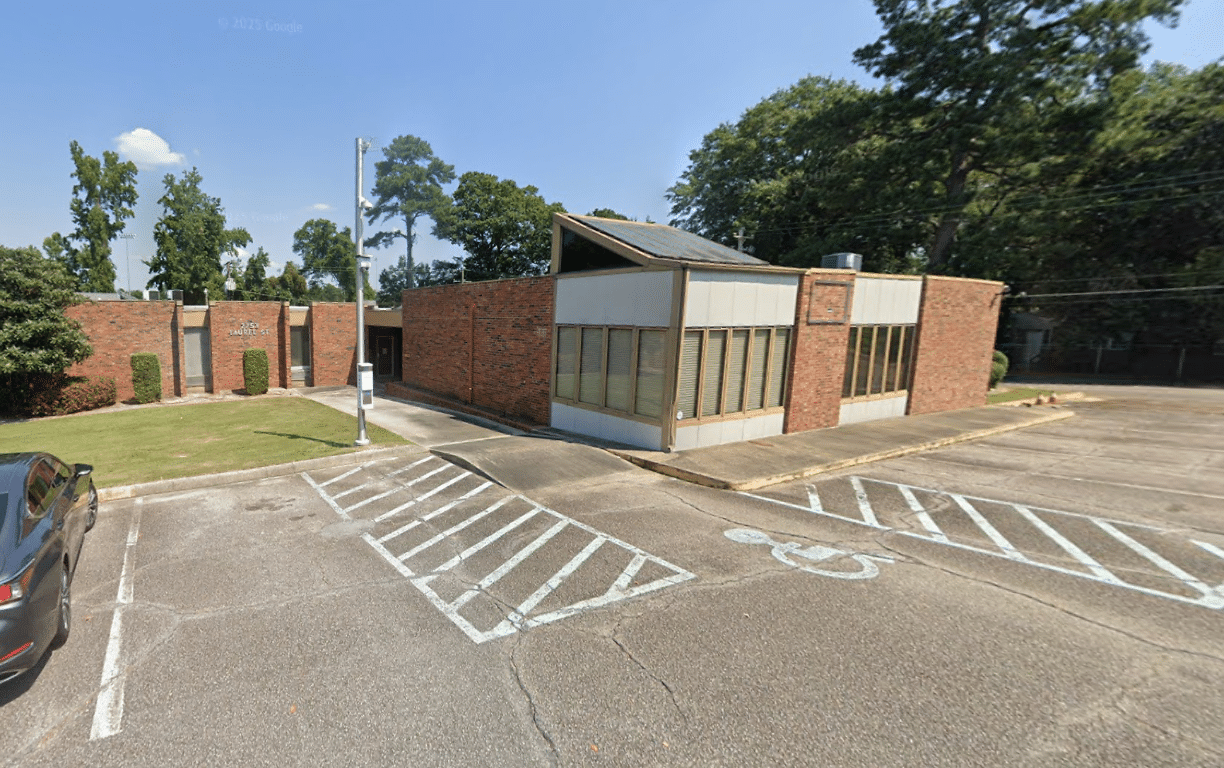
Objective Health, Columbia
Columbia / 2+ active studies
Celiac disease, fatty liver disease
Once called Columbia Digestive Health Research. Now it is part of the Objective Health network. Specifically, it runs gut and liver studies, including fatty liver trials.
Columbia Gastroenterology Associates
Columbia / Active studies
Digestive conditions
A long-running gut health practice. Also, it takes part in digestive trials around Columbia.
What to Expect in a Hepatitis Study
New to studies? Here is how one works, step by step.
01
Prescreening
First comes a short phone call or online form. Also, it takes about 10 to 15 minutes. The staff check whether you might fit. Then they tell you what is open.
02
Screening Visit
Next the clinic runs the tests that decide it, which usually means blood work. Also, they go through the consent form line by line, and you can bring somebody with you.
03
Treatment Period
Then the study begins. So you take the study drug or the placebo on the agreed schedule. Meanwhile, your own doctor keeps managing everything else.
04
Follow-Up
Finally, there is a check in period at the end. Also, your own doctor gets the results, and you can stop at any point without affecting your care.
Hepatitis Trial FAQs
Real answers about hepatitis B and hepatitis C studies near Columbia SC.
Is there a hepatitis study near Columbia?
Not in Columbia, no, and we checked five separate ways. However, three sit in North Carolina, at Durham and Chapel Hill, about three and a half hours away. Notably, one tests a new hepatitis B pill against the standard one, with no dummy at all. Also, if you have hepatitis C, the good news is that it is curable today without a trial.
Is hepatitis C really curable?
Yes, and this is the most important sentence on the page. A short course of tablets, usually 8 to 12 weeks and often one a day, clears it in roughly 95 percent of people. As the CDC’s Jonathan Mermin put it, researchers developed several highly effective cures nearly 10 years ago. So you do not need to wait for a trial.
Then why is nobody testing new hepatitis C drugs?
Because the existing ones work, and there is no room to beat a 95 percent cure. So the pipelines closed, and the studies left are about reaching people rather than curing them. Carolyn Wester of the CDC noted that only about 1 in 3 people diagnosed shows evidence of being cured. In short, the failure moved from the lab to the street.
What tests do I need for hepatitis C?
Two, and this trips people up. First an antibody test, which tells you whether you were ever exposed. Then, if that is positive, an RNA test, which tells you whether you still have the virus now. So a positive antibody test with no RNA test is an unfinished job, and you should ask for it by name.
What if my insurance refuses treatment?
Push, and get help, because a denial is not a medical decision. Wester stated that coverage policies often make treatment hard to access, and that some payers limit eligibility or demand burdensome paperwork. Rules based on liver damage or on sobriety have been rolled back in many states, so appeal and ask a liver clinic for help.
Is hepatitis B curable?
Not yet, and being honest about that is more useful than false hope. Treatment holds the virus down and stops most liver damage, but does not clear it, so it is usually for life. However, in May 2026 two large trials showed about 1 in 5 people reaching that cure with a new shot. Anna Lok of Michigan called that a major step toward a functional cure.
Should I start hepatitis B treatment or wait for a trial?
Talk to your doctor, and never stop treatment on your own to qualify for anything. Stopping hepatitis B treatment can cause a dangerous flare. However, most hepatitis B drug studies want you untreated, or off treatment for 6 months, so raise trial interest before you start rather than after.
I was cured of hepatitis C. Why do I still need care?
Because curing the virus does not undo scarring that already happened. So if you had real liver damage, you still need checks, including liver cancer checks if you had scarring. In fact, one study on this page exists specifically for that forgotten group. Meanwhile, those checks are standard care rather than research, and you should be getting them now.
Does it cost anything to be on the list?
No. There is no cost, and no insurance is needed. Tether is a nonprofit list, so we do not run studies and we are not paid to send you anywhere. Also, being on the list never enrolls anyone in anything. You would always call the clinic yourself.
Why is nothing open in either metro?
Because hepatitis studies run almost entirely out of big teaching hospitals. In North Carolina that means Duke and Chapel Hill, and in South Carolina it means Charleston. So both metros have good hospitals but neither hosts the kind of liver research unit these studies pick. Meanwhile, one Charlotte cancer centre has turned up on a liver study, which suggests that could change.
Where can I get hepatitis care near Columbia SC?
Prisma Health and Lexington Medical Center run liver clinics across the Midlands, and MUSC at Charleston is the state liver centre. Also, ask for the hepatitis C RNA test by name if your antibody test was positive, because that is the unfinished step. Meanwhile, your own doctor can order both, and family doctors now often prescribe the cure.
Ready to Explore a Study?
Get on the list, or just reach out to our Columbia team. No pressure. Also, no sales pitch.
← Back to All Clinical TrialsSources
- B-SUPREME ALG-000184 in chronic hepatitis B, ClinicalTrials.gov NCT06963710
- TRACER National Liver Cancer Screening Trial, ClinicalTrials.gov NCT06084234
- LCN RESCU rosuvastatin in compensated cirrhosis, ClinicalTrials.gov NCT05832229
- CDC on hepatitis C cure levels, with comment from Carolyn Wester, MD, MPH
- CDC press briefing on hepatitis C, with comment from Jonathan H. Mermin, MD, MPH and Carolyn Wester, MD, MPH
- CIDRAP on the B-Well phase 3 results, with comment from Anna S. Lok, MD, University of Michigan
Study details and per-site recruiting status verified against ClinicalTrials.gov on August 15, 2026, across five separate methods. On that date nothing was recruiting for viral hepatitis in either metro. One Charlotte site appears on a hepatitis study, but that study is for alcohol associated hepatitis and its site is registered as not yet recruiting, so it is not counted. Study availability and criteria change; the research clinic confirms everything before you enroll.