
COLUMBIA, SC
Sickle Cell Disease Clinical Trials
No sickle cell study is enrolling in Columbia SC right now. However, four run in Charlotte, about 90 minutes north, and none of them uses a dummy treatment. Compensation is provided for eligible participants.
0
In Columbia
4
In Charlotte
+/- $100
Per Visit
New here? Read how this page works
First, these four are not a menu you pick from. One question routes you before anything else. So here is how to work out which door is yours.
- Ask whether anyone has been HLA typed. Because that one blood test decides which of the two treatment studies is open to you.
- Check the ages carefully. Notably, the transplant study takes 2 to 25 and the gene editing study takes 12 to 35, so age alone can route you.
- Know your exact type. In fact, one study takes only two of the genotypes, while another takes every one.
- Finally, tap the button. Then we check you against all of them at once and tell you when a new one opens.
Of course, checking never signs you up for anything. You are only seeing where you might fit.
The 4 Sickle Cell Studies Within Reach of Columbia
None runs in Columbia. However, all four sit at one drive north, and two of them are mutually exclusive by design.
One question decides which of these two you could join
Do you have a brother or sister who is a matched donor? Notably, one study rules you out if you do, and the other requires one. So HLA typing is the first step.

Gene Editing, Using Your Own Cells
Vertex Pharmaceuticals / Cell therapy
Your own blood forming stem cells are collected, edited in a lab, then given back. The edit switches back on the haemoglobin you made as a baby, and that kind does not sickle.
Payment is not published. Notably, ask the site about travel and lodging support.
Get on the list →More details
Why researchers are excited: because the cells are your own there is no rejection and no graft versus host disease. So this is the route for people with no matched brother or sister.
Who this study is looking for
- Age 12 to 35
- Also, severe sickle cell disease, with at least two bad pain crises a year for two years
- Besides that, your doctor judges you fit enough for a transplant using your own cells
- Finally, you have never had a stem cell transplant before
Probably not a fit if: you have a willing, healthy, fully matched brother or sister. That surprises families, and the reason is that a sibling transplant is the safer known route.
- Placebo group: None at all. Every single person receives the real therapy, and everybody knows it. Also, your usual care carries on and in fact steps up beforehand.
- How long: About a year of active process, then 12 months of measured follow up.
- Clinic visits: Many months of near continuous hospital contact rather than occasional visits. The record names day 42, day 100 and month 12, with roughly 4 to 6 weeks as an inpatient.
- Phone calls: Not published on the public record.
- Most invasive part: Very. Months of transfusions first, then hours hooked to a machine to collect stem cells, then chemotherapy that wipes out your marrow, then a long hospital stay. Also, infertility is a known consequence, so fertility preservation is discussed first.
- Setting: Outpatient.
- Where it runs: Levine Children’s Hospital, Charlotte NC 28203.
- Drive from Columbia: Charlotte is about 92 miles north, roughly 90 minutes on I-77.
- Read this before anything else: gene therapy is not an injection. It is closer to a transplant using your own cells, and it takes most of a year.
- Full study record: View on ClinicalTrials.gov →

The Old Cure, Made Much Gentler
Investigator led, with Levine Children’s / Transplant
A transplant from a matched brother or sister has cured sickle cell since the 1980s. This study asks whether the same cure works with a far gentler preparation.
Payment is not published. Notably, the donor sibling has a procedure too.
Get on the list →More details
Why researchers are excited: the old preparation caused infertility, organ damage and a real risk of death. So making it safer means it could be offered earlier, before damage sets in.
Who this study is looking for
- Age 2 to 25, with sickle cell disease
- Also, you have a brother or sister who is an identical match, which is the whole premise
- Besides that, your disease has already caused serious problems such as strokes, chest crises or repeated pain
- Finally, your heart, lungs, liver and kidneys work well enough
Probably not a fit if: you have built up antibodies against your donor’s red cells from past transfusions. Notably, that catches heavily transfused people, which is one of the things that qualifies you.
- Placebo group: None at all and no randomising. Everybody enrolled receives the transplant.
- How long: The main check is at 100 days, and engraftment is judged at one year. Plan for a full year of intensive involvement.
- Clinic visits: Not published as a total. The named points are day 30, day 100 and day 365, with frequent outpatient visits between, often several times a week early on.
- Phone calls: Not published on the public record.
- Most invasive part: Very. A low dose of total body radiation, an antibody drip, then tablets for at least a year. Also, a long hospital stay, a central line, and transfusions during recovery.
- Setting: Outpatient.
- Where it runs: Levine Children’s Hospital, Charlotte NC 28203.
- Drive from Columbia: Charlotte is about 92 miles north, roughly 90 minutes on I-77.
- Ask this first: has anybody in the family been HLA typed? That single blood test decides which of the two Charlotte studies is open to you.
- Full study record: View on ClinicalTrials.gov →
Nothing is done to you in these
Notably, neither of these gives any treatment or changes your care. However, one of them takes almost anybody with this diagnosis.

Transplant or Medicines? Nobody Ever Compared Them
University of Rochester with PCORI / Observational
Nothing is given and nothing is changed. Researchers follow children going down each path and compare what actually happens over three years.
Payment is not published. However, the study adds nothing to your child’s treatment.
Read the details →More details
Why researchers are excited: this is the question every family asks, and astonishingly nobody has ever properly compared the two at scale in children.
Who this study is looking for
- Age 3 to 20.9
- Also, sickle cell anaemia or the S beta zero type, because other types are not included
- Besides that, your child is heading for a matched sibling transplant, which is the arm open in Charlotte
- Finally, the family agrees to three years of follow up
Probably not a fit if: your child has the SC type, which is common and sometimes serious but is not included here. Also, being in another trial that might interfere can rule you out.
- Placebo group: None at all. There is no randomising and no study drug, so your child’s treatment is untouched.
- How long: Three years of follow up per child.
- Clinic visits: Clearly published. The transplant group is assessed before, then at day 100, 6 months, and years 1, 2 and 3. The medicines group is assessed at the start then yearly.
- Phone calls: Not published on the public record.
- Most invasive part: Low. Questionnaires and thinking and memory tests, plus collecting information already gathered. Notably, the study adds no transfusions, scans, chemotherapy or extra blood draws of its own.
- Setting: Outpatient.
- Where it runs: Atrium Health, Charlotte NC 28203.
- Drive from Columbia: Charlotte is about 92 miles north, roughly 90 minutes on I-77.
- Worth knowing: Charlotte is open only for the transplant side of this study. So a child staying on medicines would need a different site.
- Full study record: View on ClinicalTrials.gov →

A Thirty Year Record of a Whole Life
St. Jude Children’s Research Hospital / Observational
Nothing is tested. Researchers record the results of tests people are having anyway, at ordinary clinic visits, across decades.
Payment is not published. However, the study creates no extra visits.
Read the details →More details
Why researchers are excited: organ damage builds slowly and shows up in young adulthood, exactly when people move to adult care and often fall out of the system. So nobody has a good long run picture.
Who this study is looking for
- Sickle cell disease of any type at all, which is the broadest rule on this page
- Also, at the Charlotte site, age 0 to 18
- Besides that, you are willing to have your routine results recorded
- Finally, there is essentially no other requirement
Probably not a fit if: there is only one exclusion, and it is broad. The investigators can decide participation is unwise for you.
- Placebo group: None at all, and no study drug of any kind. Your care carries on exactly as it is.
- How long: Effectively for life. Data is gathered every 2 years up to age 30, then every 6 years after that.
- Clinic visits: No extra visits are created. You attend the clinic appointments you would attend anyway, and data is captured at those.
- Phone calls: Not published on the public record.
- Most invasive part: Low. Blood draws that are already being done, plus swabs, stored samples every 6 years, and thinking and memory testing.
- Setting: Outpatient.
- Where it runs: Novant Health Hemby Children’s Hospital, Charlotte NC 28204.
- Drive from Columbia: Charlotte is about 92 miles north, roughly 90 minutes on I-77.
- Worth knowing: if you do not qualify for anything else here, this is very likely the one you can join. Also, it runs at a different hospital system from the other three.
- Full study record: View on ClinicalTrials.gov →
Not sure which one fits you?
First, answer a few quick health questions. Then we check you against all 4 studies. Finally, we call you when one opens near Columbia. No account, no paperwork.
See if I may fit one of these studies →What Is Actually Changing in Sickle Cell Disease
Two cures now exist. Getting one is the hard part.
What Goes Wrong
A change in one gene makes haemoglobin, the part of red cells that carries oxygen, stick together into stiff rods. So the cells bend into a curved shape and jam in small blood vessels. That causes sudden severe pain, damage to organs over time, and a shortage of red cells. Also, it is far more common in people of African ancestry, and care has long been underfunded.
Gene Therapy Arrived in 2023
In December 2023 the first two gene therapies were approved. One uses gene editing to switch back on the haemoglobin you made as a baby, which does not sickle. Nicole Verdun of the FDA called it exciting to advance the field for people whose lives had been severely disrupted. Then in July 2026 one of them was expanded down to age 2.
It Is Not an Injection
This is the part people are not told plainly. Gene therapy here is closer to a transplant using your own cells, and it takes most of a year. Months of transfusions, hours hooked to a machine collecting stem cells, months of lab work, then chemotherapy that wipes out your marrow and four to seven weeks in hospital.
Eligibility Is the Real Barrier
As Regina Hartfield of the Sickle Cell Disease Association of America put it, this is a historic milestone, but everyone may not be eligible for gene therapy. That single sentence is why this page is built the way it is. So the question is not whether a cure exists. Instead, it is whether a door is open to you.
The Older Cure Still Works
A transplant from a matched brother or sister has cured this disease since the 1980s. However, only about one in six or seven people has a suitable sibling. So the field is split down that line, and two Charlotte studies sit on opposite sides of it. In fact, one of them rules you out if you have a matched sibling, and the other requires one.
A Drug Was Also Taken Away
In September 2024 voxelotor was withdrawn worldwide over safety concerns. It had been a widely used daily tablet, so people who remember stopping it abruptly are remembering correctly. Meanwhile, the everyday treatments that remain are hydroxyurea, glutamine, an infusion that stops cells sticking, pain care, transfusions, and yearly brain scans in children to catch stroke risk early.
Research Sites Near Columbia
Prisma Health covers sickle cell care across the Midlands. But sites add new studies all the time, so it is worth knowing what sits near you.
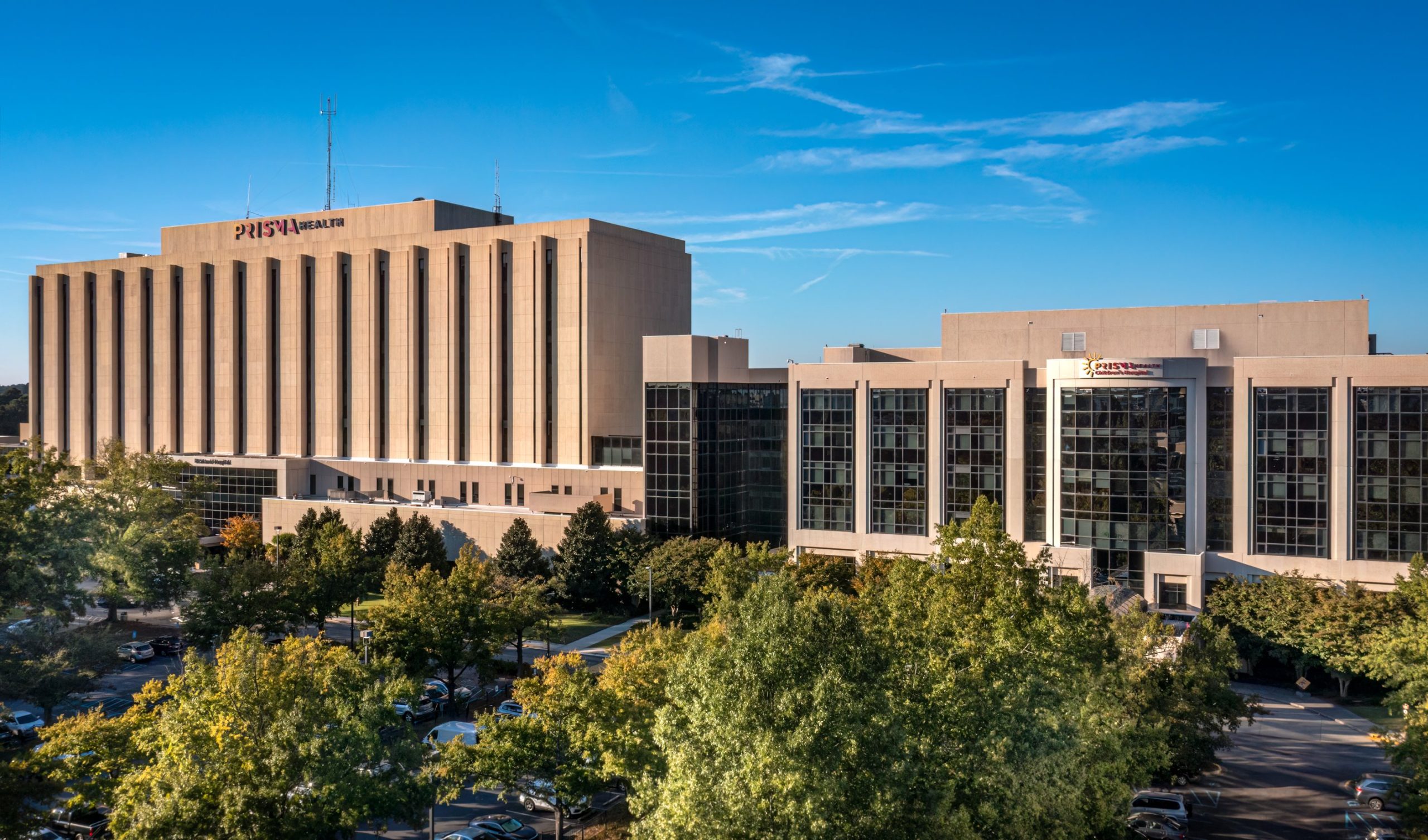
Prisma Health Richland Hospital
Downtown Columbia / 37+ active studies
Cancer, blood disorders, broad hospital research
The flagship Prisma Health hospital in the Midlands. Also, by far the biggest trial operation in the Columbia metro.
Visit Website →
University of South Carolina
Columbia / 27+ active studies
Stroke recovery, physical activity, community health
Notably, a research university that runs federally funded health studies across the Midlands. Specifically, topics range from stroke rehab to disease prevention.
Visit Website →
Bogan Sleep Consultants
Columbia / 7+ active studies
Narcolepsy, sleep disorders
One of the best known private sleep research sites in the Southeast. Also, it has run sleep trials for decades.
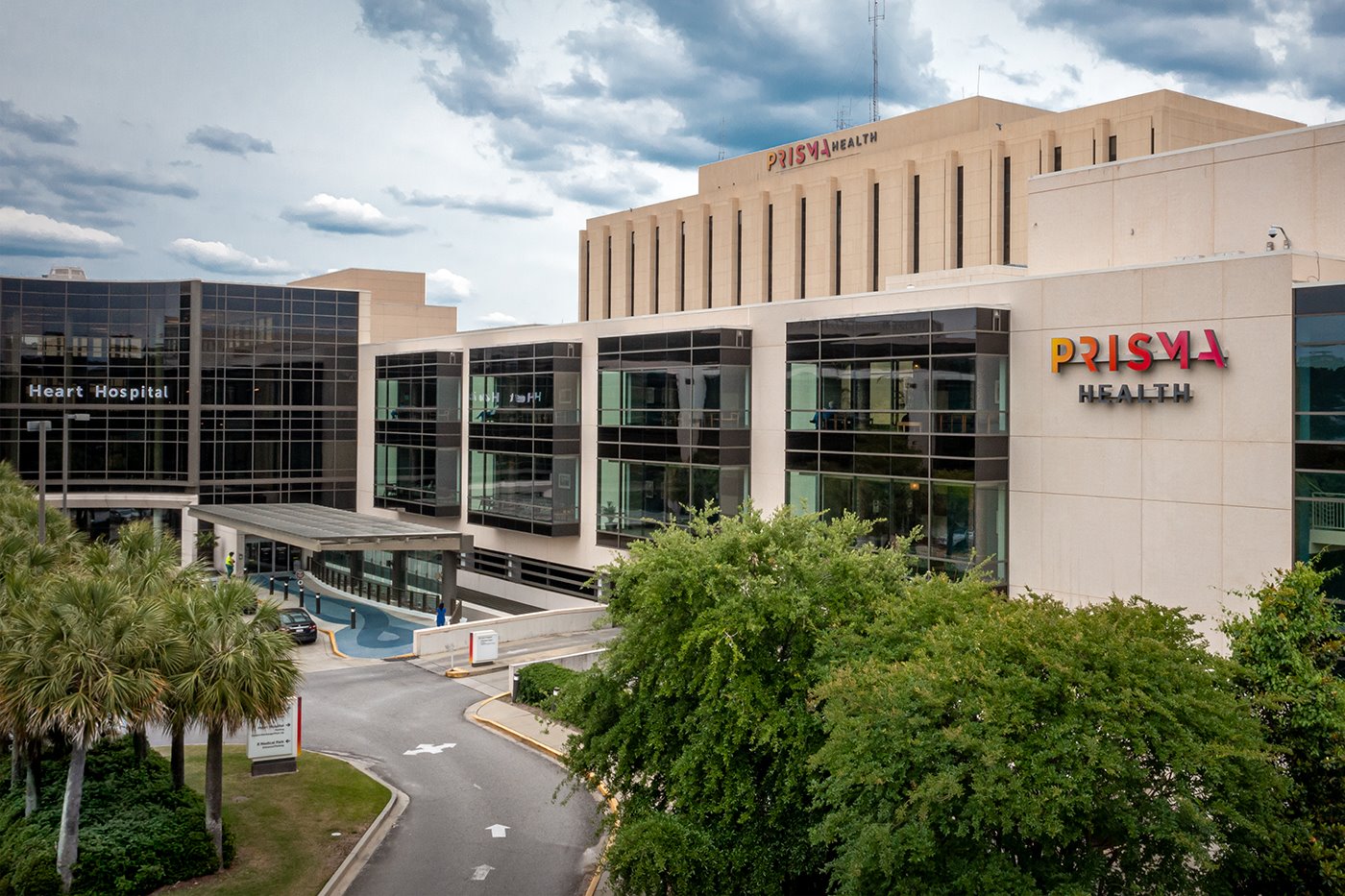
Prisma Health Midlands Cardiovascular
Columbia / 4+ active studies
Cardiovascular disease, heart failure
The heart and vessel research arm of Prisma Health in the Midlands. So it is the natural home for cholesterol trials in Columbia.
Visit Website →
Prisma Health Children’s Hospital, Midlands
Columbia / 4+ active studies
Pediatric growth, cystic fibrosis
Basically, the Midlands hub for children’s research inside the Prisma Health system.
Visit Website →
Columbia Dermatology & Aesthetics
Columbia / 4+ active studies
Hidradenitis suppurativa, psoriasis, obesity
A skin care practice with its own research team. It runs both skin and weight studies.
Velocity Clinical Research, Columbia
Columbia / Multiple active studies
COPD, skin conditions, vaccines
Part of one of the biggest research site networks in the country. Besides, it is just the kind of site the huge outcome trials lean on.
Visit Website →
Wm. Jennings Bryan Dorn VA Medical Center
Garners Ferry Road, Columbia / 2+ active studies
Atherosclerosis, liver disease
Columbia’s VA medical center runs studies, including ones on clogged arteries. For veterans, it is often the first door.
Visit Website →
Objective Health, Columbia
Columbia / 2+ active studies
Celiac disease, fatty liver disease
Once called Columbia Digestive Health Research. Now it is part of the Objective Health network. Specifically, it runs gut and liver studies, including fatty liver trials.
Columbia Gastroenterology Associates
Columbia / Active studies
Digestive conditions
A long-running gut health practice. Also, it takes part in digestive trials around Columbia.
What to Expect in a Sickle Cell Study
New to studies? Here is how one works, step by step.
01
Prescreening
First comes a short phone call or online form. Also, it takes about 10 to 15 minutes. The staff check whether you might fit. Then they tell you what is open.
02
Screening Visit
Next the clinic runs the tests that decide it, which usually means blood work. Also, they go through the consent form line by line, and you can bring somebody with you.
03
Treatment Period
Then the study begins. So you take the study drug or the placebo on the agreed schedule. Meanwhile, your own doctor keeps managing everything else.
04
Follow-Up
Finally, there is a check in period at the end. Also, your own doctor gets the results, and you can stop at any point without affecting your care.
Sickle Cell Trial FAQs
Real answers about sickle cell disease studies near Columbia SC.
Is there a sickle cell study near Columbia?
No, and we swept the whole state site by site rather than trusting one search. The nearest four all run in Charlotte, about 90 minutes north on I-77. Two are treatment studies and two record what happens without changing anything. Notably, the two treatment studies are opposites, so HLA typing is the first thing to sort out.
What is the sibling question about?
It is the single thing that routes you, and it catches families out. The gene editing study rules you out if you have a willing, healthy, fully matched brother or sister. The transplant study requires exactly that. So the first move is a simple blood test called HLA typing, because it decides everything downstream.
Is gene therapy just an injection?
No, and this is the most important thing to understand. It is closer to a transplant using your own cells, and it takes most of a year. Months of transfusions first, then hours hooked to a machine collecting stem cells, then months of lab work, then chemotherapy that wipes out your marrow and four to seven weeks in hospital.
Does gene therapy affect fertility?
Yes, that is a recognised consequence of the chemotherapy used to make room for the edited cells. It is why sperm banking or preserving eggs or ovarian tissue is discussed before anything starts. So raise it at the first appointment rather than waiting to be told. Meanwhile, the sibling transplant study deliberately uses a lighter preparation, partly for this reason.
What happened to the tablet I was taking?
If you mean voxelotor, it was withdrawn worldwide in September 2024 over safety concerns. So people who remember stopping it abruptly are remembering correctly. It also now appears in the rules that block you from joining newer studies. Meanwhile, hydroxyurea, glutamine and the anti sticking infusion all remain in use.
Is there a placebo in any of these?
No, in none of them. Both treatment studies give the real thing to every person enrolled, because neither randomises anybody. The other two give no treatment at all, since they only record what happens. So nobody on this page receives a dummy.
Can adults take part?
Some can, but the ages are tighter than people expect. The gene editing study takes 12 to 35, so it is not open ended. The transplant study takes 2 to 25, and both observational studies are for children and young people. So an adult over 35 has no open study here, and we would rather say that plainly.
Does it cost anything to be on the list?
No. There is no cost, and no insurance is needed. Tether is a nonprofit list, so we do not run studies and we are not paid to send you anywhere. Also, being on the list never enrolls anyone in anything. You would always call the clinic yourself.
What if I do not qualify for anything?
There is one study here with almost no rules at all. It takes sickle cell disease of any type, it creates no extra visits, and it simply records the results of tests you are already having. So if the others are closed to you, that is very likely the one you can join.
Where can I get sickle cell care near Columbia SC?
Prisma Health runs sickle cell care across the Midlands, and MUSC at Charleston is a state referral centre. Also, ask about the yearly brain scan for children, because it catches stroke risk early and is easy to miss. Your own doctor can refer you to a sickle cell specialist. Meanwhile, if you are moving from child to adult care, ask who is taking over before you turn 18.
Ready to Explore a Study?
Get on the list, or just reach out to our Columbia team. No pressure. Also, no sales pitch.
← Back to All Clinical TrialsSources
- Vertex CTX001 gene editing study in sickle cell disease, ClinicalTrials.gov NCT05477563
- SUN sibling donor transplant study, ClinicalTrials.gov NCT03587272
- WeDecide transplant versus medicines study, ClinicalTrials.gov NCT06941389
- SCCRIP long term life course study, ClinicalTrials.gov NCT02098863
- FDA: approval of the first gene therapies for sickle cell disease, with comment from Nicole Verdun, MD and Peter Marks, MD, PhD
- Sickle Cell Disease Association of America statement on gene therapy approval, with comment from Regina Hartfield and Lewis Hsu, MD
- FDA alert on the voluntary worldwide withdrawal of voxelotor
Study details and per-site recruiting status verified against ClinicalTrials.gov on August 15, 2026. A large blood disorder registry lists sickle cell among its conditions but has no open group for it, so it is deliberately not listed here. Study availability and criteria change; the research clinic confirms everything before you enroll.