COLUMBIA, SC
Primary Biliary Cholangitis Clinical Trials
No study for this is enrolling in Columbia right now. However, Charleston is under two hours away and runs three of them, which puts you closer than most. Compensation is provided for eligible participants.
0
In Columbia
3
At Charleston
+/- $100
Per Visit
New here? Read how this page works
First, the honest picture. Nothing is open in either metro, and we checked four separate ways. So here is how to use this page anyway.
- Check whether you have cirrhosis. Because both of the nearest drug studies take only people who do.
- Look at your alkaline phosphatase. Notably, one study needs it at least 1.5 times above normal, so doing well can rule you out.
- List everything you take. In fact, a fibrate or a steroid in the past 3 months blocks one of these studies.
- Finally, put your name in. Then we call you the day a study opens near you rather than three hours away.
Of course, checking never signs you up for anything. You are only seeing where you might fit.
Studies Within Reach of Columbia
None is in Columbia. However, Charleston carries three of them, which is better placed than Charlotte.
Charleston carries three of them
Nothing is open in Columbia. However, Charleston is under two hours away and runs three of these, which beats Charlotte.

Does the New Pill Prevent a Transplant?
Gilead / Drug
A daily pill called seladelpar against a dummy, in people who have this disease plus cirrhosis that is still working well enough. It counts serious events rather than lab numbers.
Est. about $100 per visit. Ask the site for the total number of visits.
Get on the list →More details
Why researchers are excited: it is the first study in this disease asking whether a drug actually prevents transplant and death.
Who this study is looking for
- Adults 18 and older
- Also, A confirmed diagnosis of primary biliary cholangitis
- Besides that, evidence of cirrhosis
- Finally, your liver is still functioning reasonably well
Probably not a fit if: your alkaline phosphatase is well controlled. It has to be at least 1.5 times above normal, so people doing well on their current treatment are screened out.
- Placebo group: Yes, and the ratio is not published. Whether your usual bile acid tablet continues is not stated on the record, though it is not on the banned list.
- How long: The measures run over 36 months, and the study goes to 2030.
- Clinic visits: Not published on the public record. Every measure carries the same single 36 month window.
- Phone calls: Not published on the public record.
- Most invasive part: Blood draws and an ultrasound at screening. Notably, no biopsy is mentioned anywhere in the record.
- Setting: Outpatient.
- Where it runs: MUSC, Charleston SC 29425 and Wake Forest Baptist, Winston-Salem NC 27157.
- Drive from Columbia: Charleston is about 115 miles southeast, so roughly 1 hour 55 minutes on I-26.
- Worth knowing: this is only for people who already have cirrhosis. So if your disease is well controlled on tablets, this study is not aimed at you, and that is good news.
- Full study record: View on ClinicalTrials.gov →

The Same Question, a Different Drug
Ipsen / Drug
One 80 mg elafibranor tablet a day against a dummy, in adults who already have cirrhosis. It also tracks itching, tiredness and sleep, which is unusual and useful.
Est. $500 or so, across about 5 visits.
Get on the list →More details
Why researchers are excited: elafibranor was approved on lab numbers alone. So this is the study that has to prove it changes real outcomes.
Who this study is looking for
- Adults 18 and older
- Also, definite or probable primary biliary cholangitis
- Besides that, cirrhosis present at screening
- Finally, your liver is still functioning reasonably well
Probably not a fit if: you have taken a fibrate, seladelpar, obeticholic acid, a glitazone or a steroid in the past 3 months. So a lot of people are already on something that blocks them.
- Placebo group: Yes, and the ratio is not published. Your usual bile acid tablet is not on the banned list, though the record does not say so outright.
- How long: Up to 3 and a half years, plus 4 weeks of safety checks.
- Clinic visits: About 11 or 12. Screening, day 1, month 6, month 12, then yearly, with questionnaires every 6 months.
- Phone calls: Not published on the public record.
- Most invasive part: Repeated blood draws, heart tracings and liver stiffness scans. Also, three of the visits involve blood sampling across a full day.
- Setting: Outpatient.
- Where it runs: Medical University of South Carolina, Charleston SC 29425.
- Drive from Columbia: Charleston is about 115 miles southeast, so roughly 1 hour 55 minutes on I-26.
- Check before you drive: there is no North Carolina site at all among its 42 US locations. So Charleston is the only Carolina door.
- Full study record: View on ClinicalTrials.gov →

Watching the Approved Drug in Real Life
Ipsen / Observational
Nothing is given and nothing is randomised. Researchers simply record what happens to people whose own doctor already decided to prescribe elafibranor.
No study payment is published. Notably, there are no extra visits either.
Read the details →More details
Why researchers are excited: it shows how the drug performs in ordinary clinics rather than inside a tightly controlled trial.
Who this study is looking for
- A diagnosis of primary biliary cholangitis
- Also, your own doctor has started you on elafibranor, or already prescribes it
- Besides that, you can give written consent
- Finally, A carer may also consent separately to fill in questionnaires
Probably not a fit if: you are in another drug or device trial, or you are planning to join one.
- Placebo group: None at all, because nothing is randomised and no study drug is given. Your normal care carries on as usual.
- How long: 60 months, so about 5 years.
- Clinic visits: No extra study visits at all. Data is collected at your routine appointments, which works out at roughly 10 over 5 years.
- Phone calls: Not published on the public record.
- Most invasive part: Only what your normal care already involves. Blood tests, a FibroScan and questionnaires. No biopsy.
- Setting: Outpatient.
- Where it runs: UNC Hospitals, Chapel Hill NC 27599 and MUSC, Charleston SC 29425.
- Drive from Columbia: Charleston is about 115 miles southeast, so roughly 1 hour 55 minutes on I-26.
- Be clear on this one: a registry gives you no new treatment. Instead, the value is specialist eyes on your case and adding your experience to the record.
- Full study record: View on ClinicalTrials.gov →
The one about itching
This is the only study aimed at the symptom people rate as worst. However, its only Carolina listing is a remote care provider, so call and ask.

The One Aimed at the Itching
Mirum / Drug
A pill that blocks the gut from taking bile acids back in, tested against a dummy, purely for the itching this disease causes. You record your own itch score each day.
Est. about $100 per visit. Ask the site for the total number of visits.
Get on the list →More details
Why researchers are excited: the itching is what people rate as the worst part of living with this, and no treatment for it is well proven.
Who this study is looking for
- Adults 18 and older
- Also, A confirmed diagnosis under the standard guidelines
- Besides that, itching that scores high enough on the study scale
- Finally, your usual bile acid tablet and anti itch medicines can continue
Probably not a fit if: you have had bowel surgery involving the last part of the small intestine, because that is the exact spot the drug works on.
- Placebo group: Yes, and the ratio is not published. However, your usual bile acid tablet is explicitly allowed to continue.
- How long: The main result is at week 28, and the study completes in 2027.
- Clinic visits: Not published on the public record. Every measure reads only from the start to week 28.
- Phone calls: Not published on the public record.
- Most invasive part: Blood draws plus a daily itch diary and questionnaires. No biopsy, scan or procedure is described.
- Setting: Outpatient.
- Where it runs: Science 37 remote and home based telemedicine, Morrisville NC 27560.
- Ask this before anything else: the only Carolina listing is a telemedicine provider in Morrisville NC. The record does not confirm the study can be done from home, so call and ask directly.
- Full study record: View on ClinicalTrials.gov →
Not sure which one fits you?
First, answer a few quick health questions. Then we keep them on file. Finally, we call you when a study opens near Columbia. No account, no paperwork.
See if I may fit one of these studies →What Is Actually Happening in Primary Biliary Cholangitis
The reason nothing is open here is that the trials worked.
What It Actually Is
Your immune system attacks the tiny drainage pipes inside your liver that carry bile out to the gut. So bile backs up and slowly injures the liver, and over many years that can lead to scarring. It is uncommon, it affects women far more often than men, and it is usually found in middle age. Also, many people have no symptoms at all and are picked up on a routine blood test.
The Name Changed for a Reason
It used to be called primary biliary cirrhosis. The name was changed in 2015 to cholangitis, which means inflammation of the bile ducts. That happened because most people with this never develop cirrhosis at all. So the old name was frightening people for no good reason.
The Two Symptoms That Dominate
Itching is the one people rate as worst. It is often relentless, usually worse at night, and ordinary creams do not touch it, because it comes from substances building up in the blood. The other is a heavy tiredness that sleep does not fix. Meanwhile, neither of those shows up on the blood test doctors watch most closely.
For Years There Was One Drug
The only treatment was a bile acid tablet, and it works well for roughly 6 in 10 people. The problem was the other 4 in 10, who had almost nothing else to try. So the whole field was built around that gap. In fact, that is exactly the gap the last three years have filled.
Two New Drugs Arrived in 2024
Elafibranor was approved in June 2024, and seladelpar in August 2024. As Kris Kowdley of Liver Institute Northwest put it, the approval let doctors address a real unmet need. Aparna Goel of Stanford described patients getting their key blood number to normal for the first time in decades, on a second line treatment they can actually tolerate.
So Why Is Nothing Open Here?
Because the trials that used to run in Charlotte are the ones that produced those drugs. One ran at Charlotte and finished. Another ran at Huntersville and is now closed to new patients. Then a third drug was withdrawn from the US market in 2025, which ended its research programme too. So the local slots disappeared because the science moved on, not because you were passed over.
Research Sites Near Columbia
Prisma Health covers the Midlands, and MUSC at Charleston is the state centre for this. But sites add new studies all the time, so it is worth knowing what sits near you.
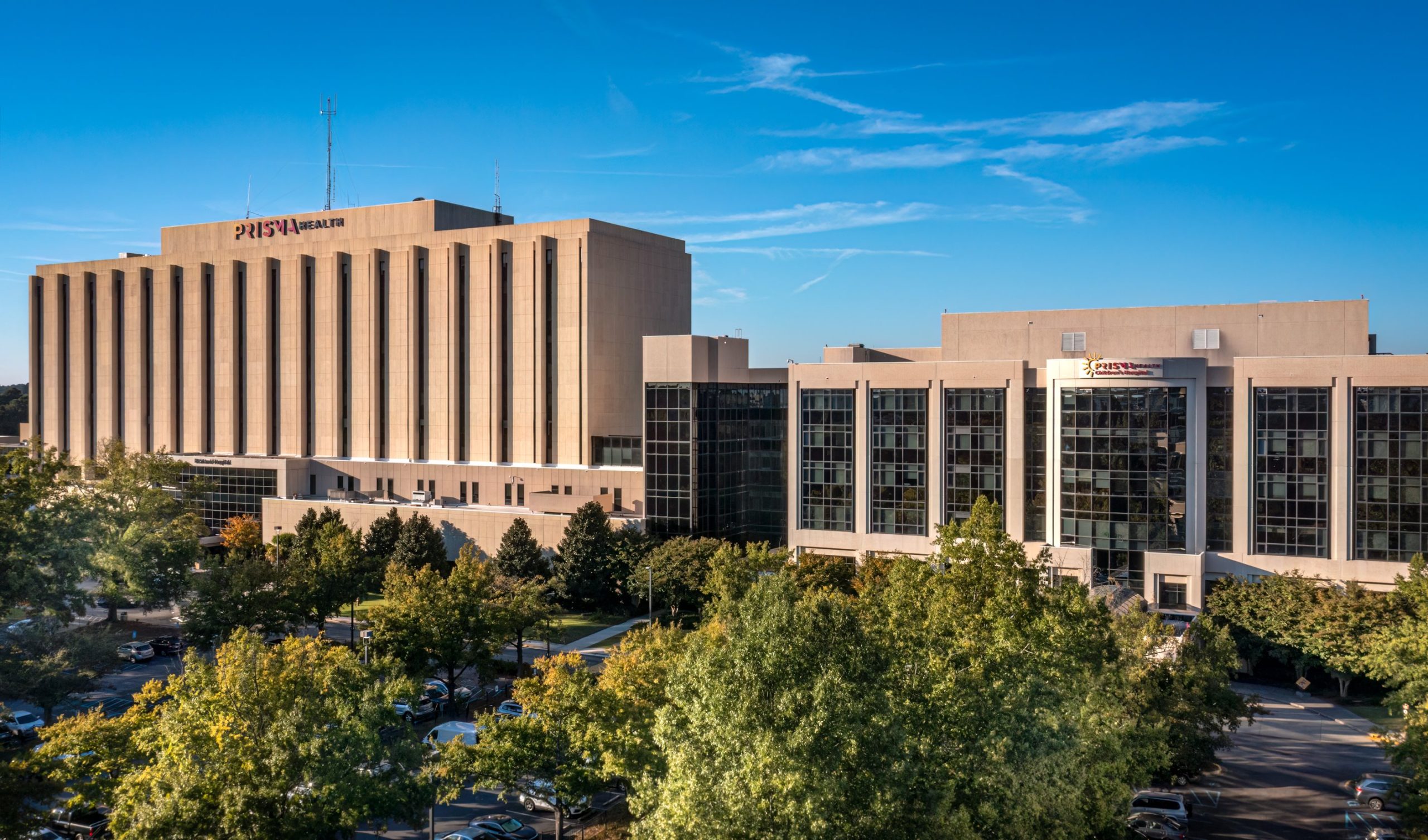
Prisma Health Richland Hospital
Downtown Columbia / 37+ active studies
Cancer, blood disorders, broad hospital research
The flagship Prisma Health hospital in the Midlands. Also, by far the biggest trial operation in the Columbia metro.
Visit Website →
University of South Carolina
Columbia / 27+ active studies
Stroke recovery, physical activity, community health
Notably, a research university that runs federally funded health studies across the Midlands. Specifically, topics range from stroke rehab to disease prevention.
Visit Website →
Bogan Sleep Consultants
Columbia / 7+ active studies
Narcolepsy, sleep disorders
One of the best known private sleep research sites in the Southeast. Also, it has run sleep trials for decades.
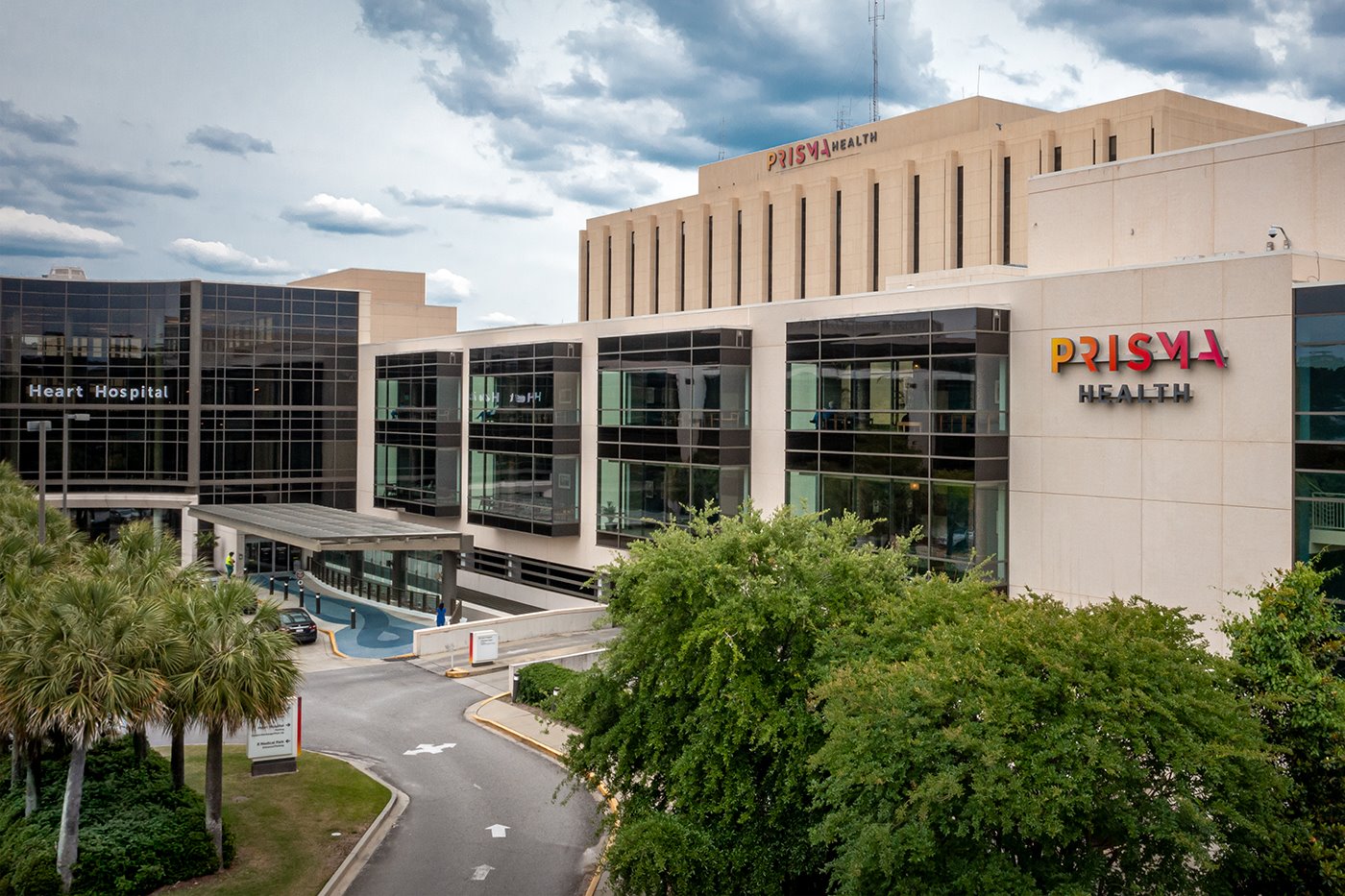
Prisma Health Midlands Cardiovascular
Columbia / 4+ active studies
Cardiovascular disease, heart failure
The heart and vessel research arm of Prisma Health in the Midlands. So it is the natural home for cholesterol trials in Columbia.
Visit Website →
Prisma Health Children’s Hospital, Midlands
Columbia / 4+ active studies
Pediatric growth, cystic fibrosis
Basically, the Midlands hub for children’s research inside the Prisma Health system.
Visit Website →
Columbia Dermatology & Aesthetics
Columbia / 4+ active studies
Hidradenitis suppurativa, psoriasis, obesity
A skin care practice with its own research team. It runs both skin and weight studies.
Velocity Clinical Research, Columbia
Columbia / Multiple active studies
COPD, skin conditions, vaccines
Part of one of the biggest research site networks in the country. Besides, it is just the kind of site the huge outcome trials lean on.
Visit Website →
Wm. Jennings Bryan Dorn VA Medical Center
Garners Ferry Road, Columbia / 2+ active studies
Atherosclerosis, liver disease
Columbia’s VA medical center runs studies, including ones on clogged arteries. For veterans, it is often the first door.
Visit Website →
Objective Health, Columbia
Columbia / 2+ active studies
Celiac disease, fatty liver disease
Once called Columbia Digestive Health Research. Now it is part of the Objective Health network. Specifically, it runs gut and liver studies, including fatty liver trials.
Columbia Gastroenterology Associates
Columbia / Active studies
Digestive conditions
A long-running gut health practice. Also, it takes part in digestive trials around Columbia.
What to Expect in a Liver Study
New to studies? Here is how one works, step by step.
01
Prescreening
First comes a short phone call or online form. Also, it takes about 10 to 15 minutes. The staff check whether you might fit. Then they tell you what is open.
02
Screening Visit
Next the clinic runs the tests that decide it, which usually means blood work. Also, they go through the consent form line by line, and you can bring somebody with you.
03
Treatment Period
Then the study begins. So you take the study drug or the placebo on the agreed schedule. Meanwhile, your own doctor keeps managing everything else.
04
Follow-Up
Finally, there is a check in period at the end. Also, your own doctor gets the results, and you can stop at any point without affecting your care.
Primary Biliary Cholangitis Trial FAQs
Real answers about PBC studies near Columbia SC.
Is there a study for this near Columbia?
Not in Columbia itself, no. However, you are better placed than most, because Charleston runs three of them and it is under two hours down I-26. Two of those are real drug studies for people with cirrhosis, and the third just records what happens. So the drive is the main hurdle rather than the door being shut.
Why is nothing open near me?
Because the trials that used to run here are the ones that produced the drugs you can now simply be prescribed. One ran in Charlotte and has finished. Another ran in Huntersville and is closed to new patients. Then a third drug was pulled from the US market in 2025, which ended its research programme too. So the local slots went away because the science moved on, not because you were passed over.
What are the new treatments?
Two arrived in 2024, after years of only one option. Elafibranor was approved in June and seladelpar in August, and both are taken as a daily tablet alongside the older one. As Aparna Goel of Stanford described it, some patients are getting their key blood number to normal for the first time in decades on a second line treatment they can tolerate. So ask your own doctor about them by name.
What happened to the older second line drug?
Obeticholic acid was voluntarily withdrawn from the US market in September 2025 at the regulator’s request, and its approval was formally withdrawn that November. Anyone who was taking it will have been moved to something else. Also, it now appears only as a rule that blocks you from joining newer studies.
Do I need a biopsy for this diagnosis?
Usually not, which surprises people. Doctors look for two of three things. A raised alkaline phosphatase kept up over about six months, a positive antibody blood test, and a biopsy only when those are unclear. So most people are diagnosed on blood tests alone.
What can be done about the itching?
It is worth raising specifically, because it is often treated as a side issue when it is the main problem. One study on this page exists purely to test a drug for it. Also, one of the newer approved tablets was reported to reduce itching as well as improving the blood numbers. So tell your doctor how much it affects your sleep, because that changes the conversation.
Will I be taken off my current tablet?
No study here asks you to stop your usual bile acid tablet. In the itching study it is explicitly allowed to continue. In the two cirrhosis studies it is not on the banned list, though the record does not spell that out. So confirm it with the clinic on your first call.
Does it cost anything to be on the list?
No. There is no cost, and no insurance is needed. Tether is a nonprofit list, so we do not run studies and we are not paid to send you anywhere. Also, being on the list never enrolls you in anything. You would always call the clinic yourself.
How long until a study opens closer?
We will not guess at a date. However, the studies now running are long outcome studies based at transplant centres, and that kind of study needs a big hospital rather than a community practice. So the honest answer is that the next wave may look different, and we will tell you when it arrives.
Where can I get care for this near Columbia SC?
Prisma Health and Lexington Medical Center run liver clinics across the Midlands, and MUSC at Charleston is the state centre. Also, ask for your alkaline phosphatase result by name, because that number is both the diagnosis and the measure of whether treatment works. Your own doctor can refer you to a liver specialist. Meanwhile, if the itching is affecting your sleep, say so plainly, because there are options.
Ready to Explore a Study?
Get on the list, or just reach out to our Columbia team. No pressure. Also, no sales pitch.
← Back to All Clinical TrialsSources
- AFFIRM seladelpar outcomes study, ClinicalTrials.gov NCT06051617
- ELFIDENCE elafibranor outcomes study, ClinicalTrials.gov NCT06016842
- ELFINITY elafibranor real world study, ClinicalTrials.gov NCT06447168
- VANTAGE volixibat study for cholestatic itch, ClinicalTrials.gov NCT05050136
- Ipsen: FDA accelerated approval of elafibranor, with comment from Kris Kowdley, MD and Carol Roberts of the PBCers Organization
- HCPLive: understanding elafibranor and seladelpar, with comment from Aparna Goel, MD, Stanford University
- Gilead: FDA accelerated approval of seladelpar
Study details and per-site recruiting status verified against ClinicalTrials.gov on August 15, 2026, across four separate search passes. On that date nothing was recruiting for this condition in either the Charlotte or Columbia metro. Study availability and criteria change; the research clinic confirms everything before you enroll.