COLUMBIA, SC
Fatty Liver Disease Clinical Trials
7 paid fatty liver studies are enrolling near Columbia SC, and four of them need no liver biopsy at all. Remarkably, all seven run out of one zip code. Free scans and no insurance needed. Compensation is provided for eligible participants.
7
Enrolling Now
4
With No Biopsy
+/- $100
Per Visit
New here? Read how this page works
First, these seven are not interchangeable, and one question sorts them faster than any other. So here is how to find yours.
- Decide how you feel about a biopsy. Because that single answer splits this page in two, and several studies need no needle in your liver at all.
- Find out whether you have cirrhosis. Notably, some studies take only people who do, and others rule them out entirely.
- Do not start a crash diet first. In fact, losing more than 11 pounds in 3 months rules you out of the biggest study here.
- Finally, tap Check eligibility. Then we check you against all of them at once and tell you when a new one opens.
Of course, checking never signs you up for anything. You are only seeing where you might fit.
The 7 Fatty Liver Studies Enrolling Near Columbia
We sort these by the thing people actually care about, which is whether a liver biopsy is required.
No biopsy needed
This is the split that decides most people. Notably, none of these four needs a needle in your liver, though on one you must ask for cohort 2.

The Biggest One, and It Needs No Biopsy
Eli Lilly / Drug
Two weekly injections that drive weight loss are tested against a dummy. You get in on scans and blood tests alone, because no liver biopsy is needed at any point.
Est. about $100 per visit. Ask the site for the total number of visits.
Check eligibility →More details
Why researchers are excited: it asks the question people actually care about. Over about four years, does the drug stop high risk fatty liver turning into liver failure, liver cancer or a transplant?
Who this study is looking for
- Adults 18 and older with a BMI of 25 or more
- Also, liver fat of 8 percent or more on a scan
- Besides that, A blood score between 9 and 10.8
- Finally, liver stiffness between 10 and 20 on a FibroScan
Probably not a fit if: you lost more than 11 pounds in the 3 months before screening. So people who start dieting hard after a diagnosis often rule themselves out without knowing it.
- Placebo group: Some people get a dummy, and the ratio is not published. However, once the main study ends everybody who qualifies can join a 2 year extension where all get real drug.
- How long: About 4 years and 4 months, plus an optional 2 year extension.
- Clinic visits: About 25 to 30 across the whole study, and the sponsor states that outright. So that works out at roughly one visit every 7 to 9 weeks.
- Phone calls: Not published on the public record.
- Most invasive part: No liver biopsy at all. Weekly shots under the skin, plus blood draws, FibroScan and liver imaging.
- Setting: Outpatient.
- Where it runs: Columbia Digestive Health Research, Columbia SC 29204.
- Read this first: losing more than 11 pounds in the 3 months before screening rules you out. So if you are thinking of joining, talk to the clinic before you start a crash diet.
- Full study record: View on ClinicalTrials.gov →

Two Hormones at Once, for Cirrhosis
Boehringer Ingelheim / Drug
A weekly shot that acts on two hormone systems at the same time, one of them the same target as the well known weight loss drugs. You can qualify on scans alone.
Est. about $100 per visit. Ask the site for the total number of visits.
Check eligibility →More details
Why researchers are excited: it aims to protect a scarred liver from tipping into failure, and the odds are 2 in 3 for the real drug.
Who this study is looking for
- Adults 18 and older with a BMI of 27 or more
- Also, cirrhosis from fatty liver, with the liver still coping
- Besides that, fat in the liver shown on an MRI or a FibroScan
- Finally, A recent biopsy can be used, but it is not needed
Probably not a fit if: your drinking over the past 5 years was above the limit, which is a wider look back than most studies. Also, any past fluid in the belly or liver confusion rules you out.
- Placebo group: Yes, but the odds favour you. Each person has twice the chance of the real drug as the dummy. Also, everybody gets lifestyle support and usual care continues.
- How long: Up to 4 and a half years.
- Clinic visits: Every 2, 4 or 6 weeks for about a year and 5 months, then every 3 months to the end. Notably, some of those can be by video rather than in person.
- Phone calls: Yes. Some visits are remote video visits rather than trips to the clinic.
- Most invasive part: No biopsy is required. Weekly shots, blood draws, liver imaging and FibroScan.
- Setting: Outpatient.
- Where it runs: ObjectiveHealth Columbia Digestive Health Research, Columbia SC 29204.
- Worth knowing: other liver diseases rule you out, and that list includes primary biliary cholangitis and autoimmune hepatitis.
- Full study record: View on ClinicalTrials.gov →

For Cirrhosis, Where Nothing Is Approved Yet
Akero Therapeutics / Drug
A weekly shot of a longer lasting version of a natural hormone that helps the body handle fat and sugar. This one is for people whose scarring has reached cirrhosis but whose liver is still coping.
Est. about $100 per visit. Ask the site for the total number of visits.
Check eligibility →More details
Why researchers are excited: no drug is approved anywhere in the world for cirrhosis caused by fatty liver. So this group has nothing today.
Who this study is looking for
- Adults 18 to 80
- Also, cirrhosis caused by fatty liver, with the liver still doing its job
- Besides that, cohort 1 needs a biopsy to prove it
- Finally, cohort 2 accepts scans and blood tests instead, with no biopsy
Probably not a fit if: you have ever had fluid in the belly, bleeding from swollen veins, or confusion caused by the liver. Notably, a single past event rules you out.
- Placebo group: Yes, and the ratio is not published. However, your usual care carries on the whole time.
- How long: Up to 5 years, with a check at week 96.
- Clinic visits: Not published on the public record. Dosing is weekly at home, so clinic visits sit between those.
- Phone calls: Not published on the public record.
- Most invasive part: Cohort 1 needs one biopsy to enter and cohort 2 needs none. Weekly shots, blood draws, FibroScan and scans to watch for liver cancer.
- Setting: Outpatient.
- Where it runs: Akero Clinical Study Site, Columbia SC 29204.
- Ask this on the first call: which cohort are you being screened for? Because cohort 2 needs no biopsy at all, and that is the single most useful question here.
- Full study record: View on ClinicalTrials.gov →

The Short One, at Twelve Weeks
Eccogene / Drug
Two experimental pills, alone and together. One nudges the liver to burn its stored fat and the other blocks an enzyme involved in inflammation and scarring.
Est. $600 or so, across about 6 visits.
Check eligibility →More details
Why researchers are excited: it is by far the shortest study here, so it suits somebody who will not sign up for years.
Who this study is looking for
- Age 18 to 75
- Also, either a biopsy in the past 180 days, or a FibroScan reading above 280 plus risk factors
- Besides that, liver stiffness between 7 and 20, and liver fat above 8 percent on MRI
- Finally, BMI over 25 and under 50
Probably not a fit if: your weight changed by more than 5 percent in the past 6 months. Also, a GLP-1 drug that is not on a steady dose rules you out, which now catches a lot of people.
- Placebo group: Yes, across several dose groups, and the ratio is not published. Your usual care continues.
- How long: 12 weeks of treatment.
- Clinic visits: About 7 across the 12 weeks, plus screening. Those are day 1 and weeks 2, 4, 6, 8 and 12.
- Phone calls: Not published on the public record.
- Most invasive part: A biopsy is optional, because you can enter on a FibroScan instead. MRI scans at the start and at week 12, plus repeated blood draws.
- Setting: Outpatient.
- Where it runs: Columbia Gastroenterology Associates, Columbia SC 29204.
- Read this first: an MRI is required, so metal implants or bad claustrophobia are a problem. Also, one drug acts on a thyroid receptor, so thyroid problems must be well controlled.
- Full study record: View on ClinicalTrials.gov →
These do need a biopsy
All three need at least one. Also, the last one can mean two or three across seven years, so we list it last on purpose.

The Rival Shot, Before Cirrhosis
89bio / Drug
Another weekly shot working through the same natural hormone pathway as the Akero one. This is the direct rival, and it is for scarring at stage 2 or 3.
Est. about $100 per visit. Ask the site for the total number of visits.
Check eligibility →More details
Why researchers are excited: two rival drugs in the same class are being tested at once, which almost never happens. So the field will learn a great deal either way.
Who this study is looking for
- Age 18 to 80
- Also, A biopsy confirming fatty liver disease with scarring at stage 2 or 3
- Besides that, BMI of 25 or above
- Finally, liver enzymes below 250
Probably not a fit if: vitamin E above 400 a day or pioglitazone is allowed only if you have been steady on it for 6 months. So starting or changing either recently will disqualify you, and this catches real people.
- Placebo group: Two dose groups against a dummy, and the ratio is not published. Your usual care continues.
- How long: The main result is at week 52, then safety follow up runs up to 5 years.
- Clinic visits: Not published on the public record. The named points are the start, week 52 and up to 5 years.
- Phone calls: Not published on the public record.
- Most invasive part: Two liver biopsies, one to get in and one at week 52. Shots under the skin, blood draws, FibroScan and scans.
- Setting: Outpatient.
- Where it runs: 89bio Clinical Study Site, Columbia SC 29204.
- Read this first: you can be screened, biopsied, and then told you do not qualify because the biopsy showed cirrhosis. So ask what happens next if that occurs.
- Full study record: View on ClinicalTrials.gov →

The Rival Shot, for Cirrhosis
89bio / Drug
The same weekly shot, but in people who already have cirrhosis from fatty liver and whose liver is still coping. It follows people for years.
Est. about $100 per visit. Ask the site for the total number of visits.
Check eligibility →More details
Why researchers are excited: it watches for the serious events cirrhosis leads to, rather than just measuring a number on a scan.
Who this study is looking for
- Age 18 to 75
- Also, A biopsy confirming cirrhosis from fatty liver, with the liver still coping
- Besides that, either type 2 diabetes for at least 3 months, or two risk factors
- Finally, BMI between 25 and 50
Probably not a fit if: any history of fluid in the belly, bleeding from swollen veins, or liver confusion. Also, any history of liver cancer rules you out.
- Placebo group: Yes, and the ratio is not published. Your usual care continues throughout.
- How long: Long. The measures run from month 24 out to month 60, and the record lists completion in 2031.
- Clinic visits: Not published on the public record. Only broad windows of 24 and 60 months are registered.
- Phone calls: Not published on the public record.
- Most invasive part: One biopsy to get in. Shots under the skin, blood draws, FibroScan, scans and liver cancer checks.
- Setting: Outpatient.
- Where it runs: 89bio Clinical Study Site, Columbia SC 29204.
- Worth knowing: this is the longest commitment on the page. Also, the same vitamin E steady dose rule applies here.
- Full study record: View on ClinicalTrials.gov →

The Heaviest One, and We Will Say So
Boehringer Ingelheim / Drug
The same twice acting weekly shot, but for people with scarring at stage 2 or 3 who have not reached cirrhosis. Everybody, including the dummy group, gets diet and exercise support.
Est. about $100 per visit. Ask the site for the total number of visits.
Check eligibility →More details
Why researchers are excited: acting on two hormone systems at once is the most talked about idea in this field right now.
Who this study is looking for
- Adults 18 and older living with obesity
- Also, confirmed fatty liver disease with a disease activity score of 4 or more
- Besides that, your weight changed less than 5 percent in the past 3 months
- Finally, you will keep your diet and activity broadly steady
Probably not a fit if: you are unwilling to have a liver biopsy, which is written into the rules. Also, a platelet count below 140,000 rules you out, and most people never checked theirs.
- Placebo group: Each person has twice the chance of the real drug as the dummy, so about 1 in 3 get placebo. Also, everyone gets lifestyle support and usual care continues.
- How long: Up to 7 years.
- Clinic visits: Every 2 weeks for about the first year, then every 4, then every 6. After that you alternate in person and video visits every 3 months.
- Phone calls: Yes. After the first year or so, some visits are remote video visits.
- Most invasive part: The heaviest here. Two or three liver biopsies during the study, plus one at screening if you have no usable one. Weekly shots and frequent blood draws.
- Setting: Outpatient.
- Where it runs: ObjectiveHealth Columbia Digestive Health Research, Columbia SC 29204.
- Be clear on this one: two or three biopsies across seven years is a serious commitment. So we list it last rather than dressing it up.
- Full study record: View on ClinicalTrials.gov →
Not sure which one fits you?
First, answer a few quick health questions. Then we check you against all 7 studies. No account, no paperwork.
See if I may fit one of these studies →What Is Actually Changing in Fatty Liver Disease
Three approved drugs in three years, after decades of nothing.
The Name Changed, and So Did the Field
Fat builds up in the liver. When that fat causes inflammation and then scarring, the disease has a name that used to be NASH and is now called MASH. The change was not cosmetic, because the new name puts the metabolic cause at the centre. Also, it is now the fastest growing reason for a liver transplant in this country.
The First Drug Arrived in 2024
For decades there was nothing to prescribe. Doctors advised weight loss and watched. Then resmetirom became the first drug ever approved specifically for this disease with moderate to advanced scarring. As Naim Alkhouri of Arizona Liver Health put it, that was a historic approval and having it in clinic has been a game changer.
Then the Weight Loss Drugs Arrived Too
In August 2025 semaglutide was approved for this disease without cirrhosis. So within about 18 months the field went from zero options to two very different ones. Arun Sanyal of Virginia Commonwealth University said the decision reflects continued progress in how we understand and treat these patients.
Cirrhosis Is Still the Unsolved Part
Once scarring tips into cirrhosis, nothing at all is approved anywhere in the world. That is why several studies here enrol only that group. Alkhouri put the ambition plainly, saying that slowing the slide is highly desirable but the goal is treatments that could actually reverse it.
Why It Gets Missed
Most people have no symptoms at all until a great deal of damage is done. So it is usually found by chance, on a blood test or a scan done for something else. Meanwhile, Zobair Younossi of the Global MASH Council made the point that these diseases matter partly because they make every other liver disease worse.
The Biopsy Question
Here is the practical split that decides most people’s choice. Some studies need a needle sample of your liver, sometimes more than one. Others let you in on scans and blood tests alone. So if the biopsy is what is stopping you, say that on the first call, because it changes which door you use.
Research Sites Near Columbia
Every one of these runs from research practices in the same part of Columbia. But sites add new studies all the time, so it is worth knowing what sits near you.
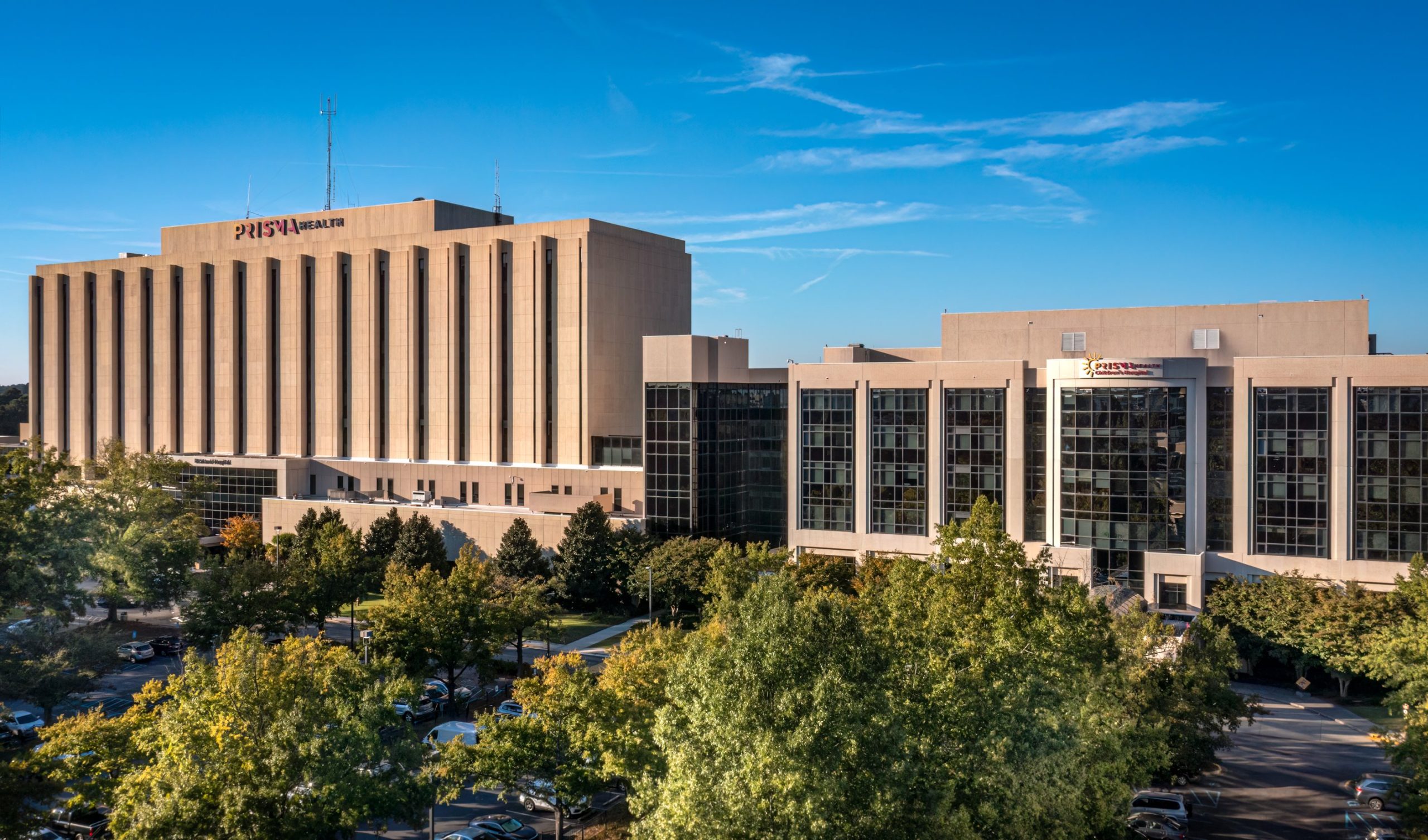
Prisma Health Richland Hospital
Downtown Columbia / 37+ active studies
Cancer, blood disorders, broad hospital research
The flagship Prisma Health hospital in the Midlands. Also, by far the biggest trial operation in the Columbia metro.
Visit Website →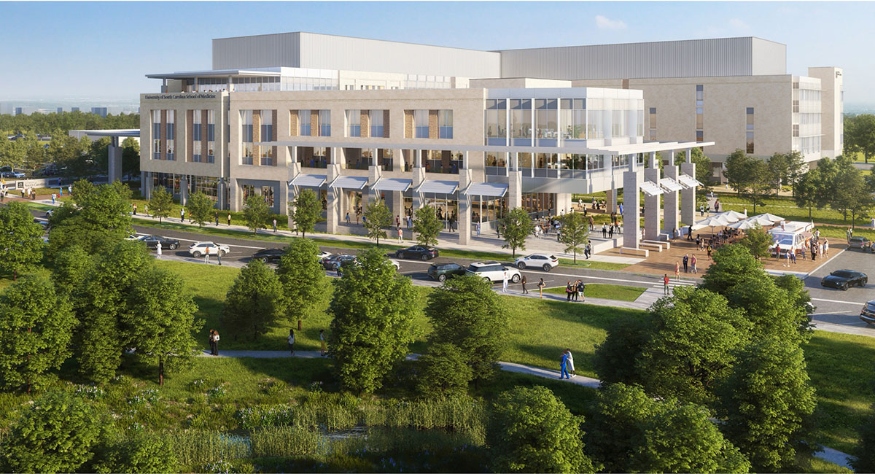
University of South Carolina
Columbia / 27+ active studies
Stroke recovery, physical activity, community health
Notably, a research university that runs federally funded health studies across the Midlands. Specifically, topics range from stroke rehab to disease prevention.
Visit Website →
Bogan Sleep Consultants
Columbia / 7+ active studies
Narcolepsy, sleep disorders
One of the best known private sleep research sites in the Southeast. Also, it has run sleep trials for decades.
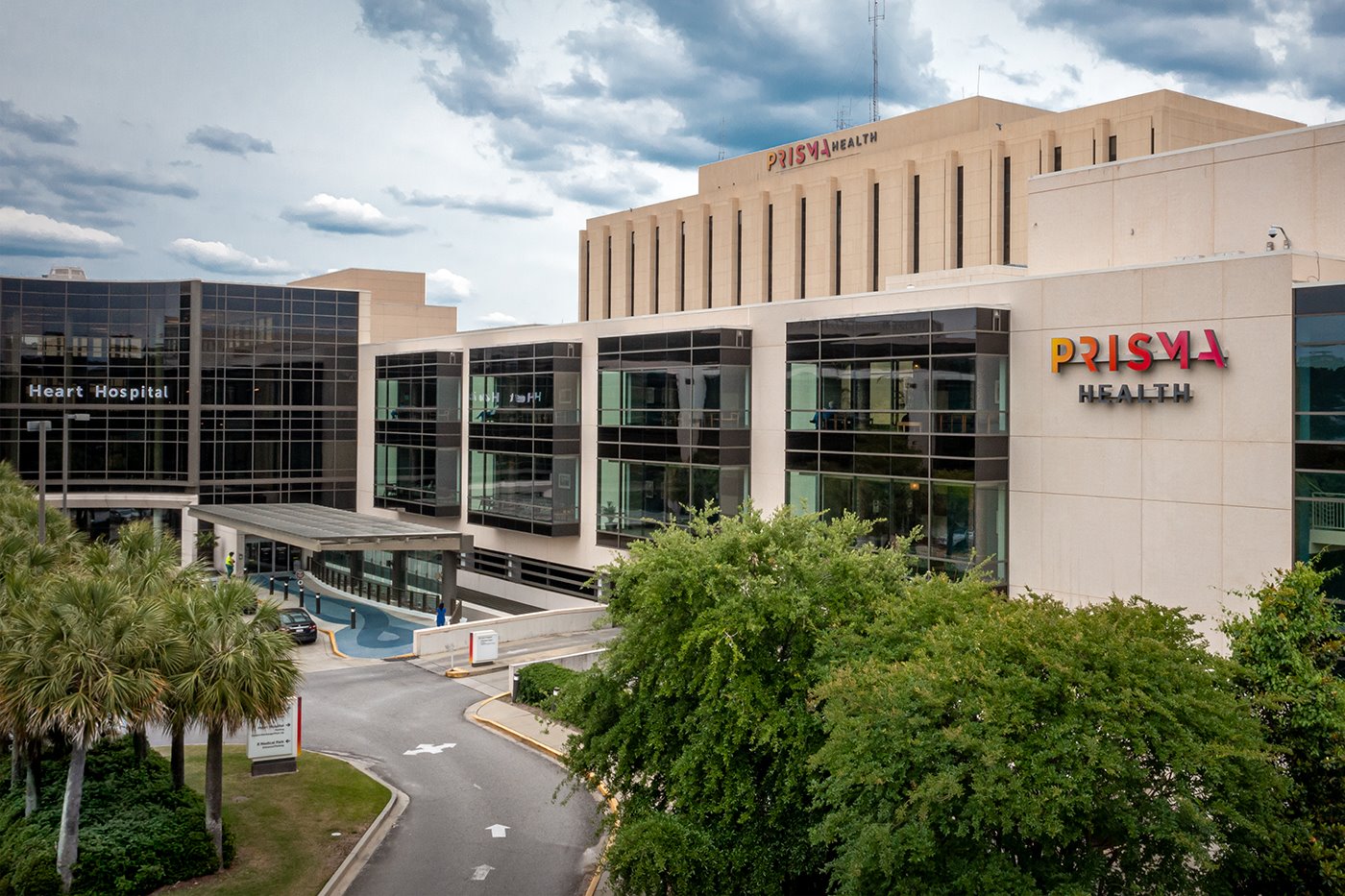
Prisma Health Midlands Cardiovascular
Columbia / 4+ active studies
Cardiovascular disease, heart failure
The heart and vessel research arm of Prisma Health in the Midlands. So it is the natural home for cholesterol trials in Columbia.
Visit Website →
Prisma Health Children’s Hospital, Midlands
Columbia / 4+ active studies
Pediatric growth, cystic fibrosis
Basically, the Midlands hub for children’s research inside the Prisma Health system.
Visit Website →
Columbia Dermatology & Aesthetics
Columbia / 4+ active studies
Hidradenitis suppurativa, psoriasis, obesity
A skin care practice with its own research team. It runs both skin and weight studies.
Velocity Clinical Research, Columbia
Columbia / Multiple active studies
COPD, skin conditions, vaccines
Part of one of the biggest research site networks in the country. Besides, it is just the kind of site the huge outcome trials lean on.
Visit Website →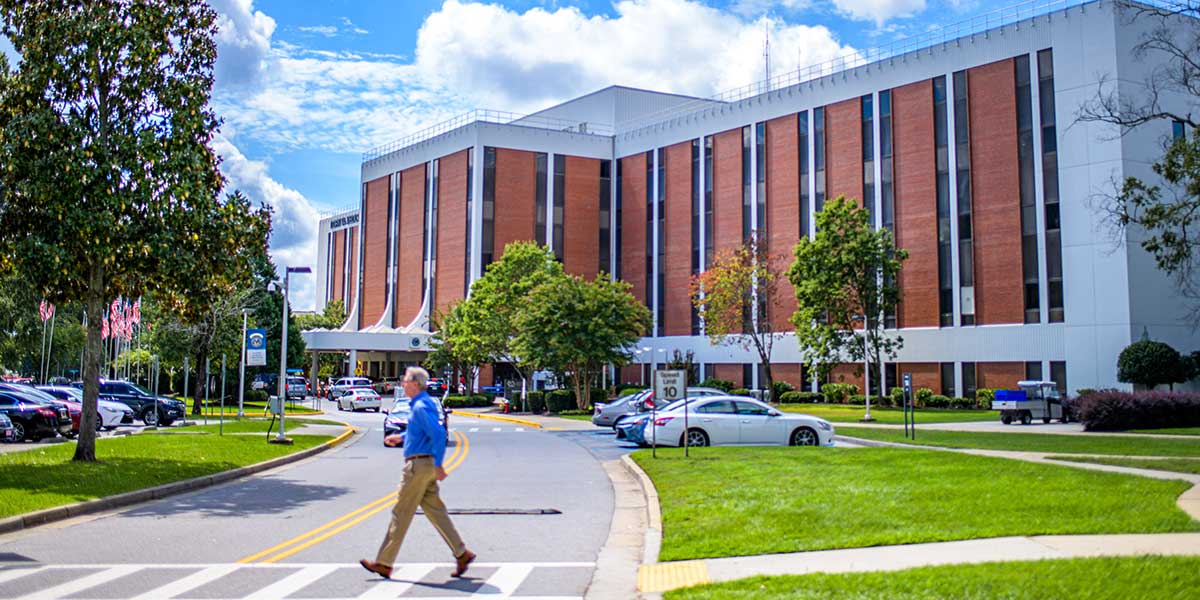
Wm. Jennings Bryan Dorn VA Medical Center
Garners Ferry Road, Columbia / 2+ active studies
Atherosclerosis, liver disease
Columbia’s VA medical center runs studies, including ones on clogged arteries. For veterans, it is often the first door.
Visit Website →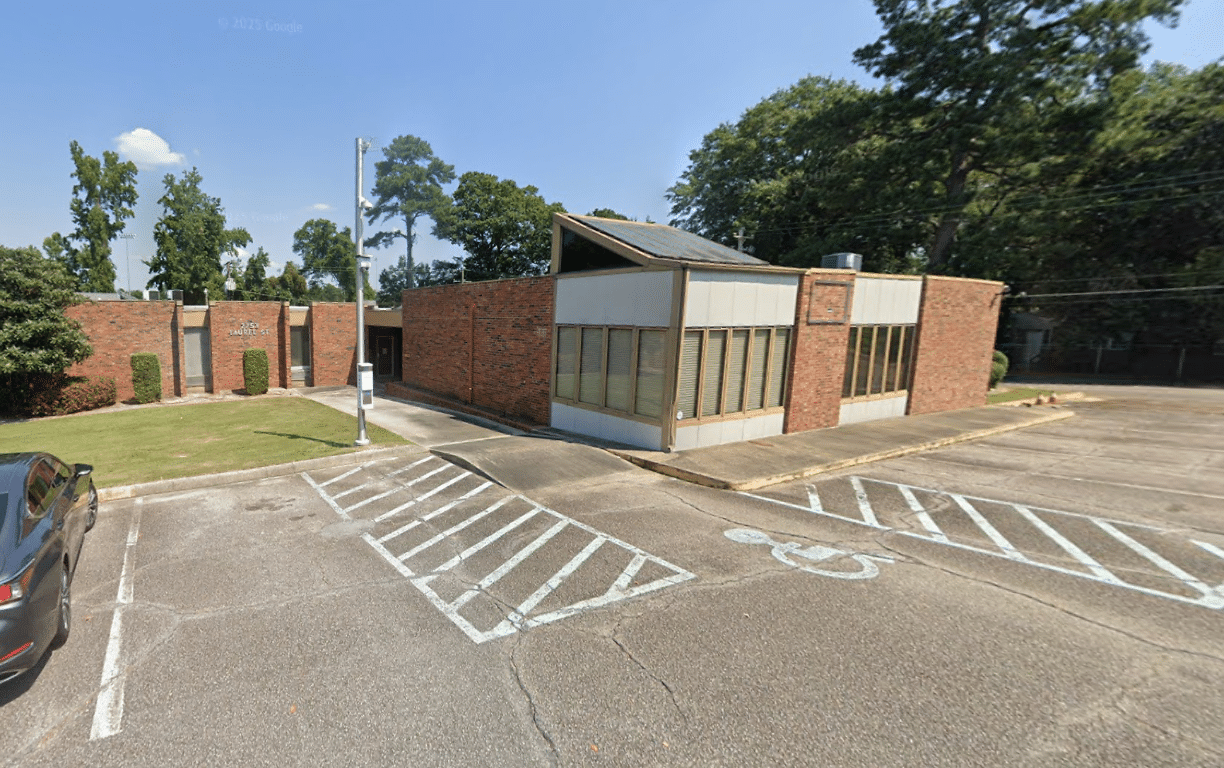
Objective Health, Columbia
Columbia / 2+ active studies
Celiac disease, fatty liver disease
Once called Columbia Digestive Health Research. Now it is part of the Objective Health network. Specifically, it runs gut and liver studies, including fatty liver trials.
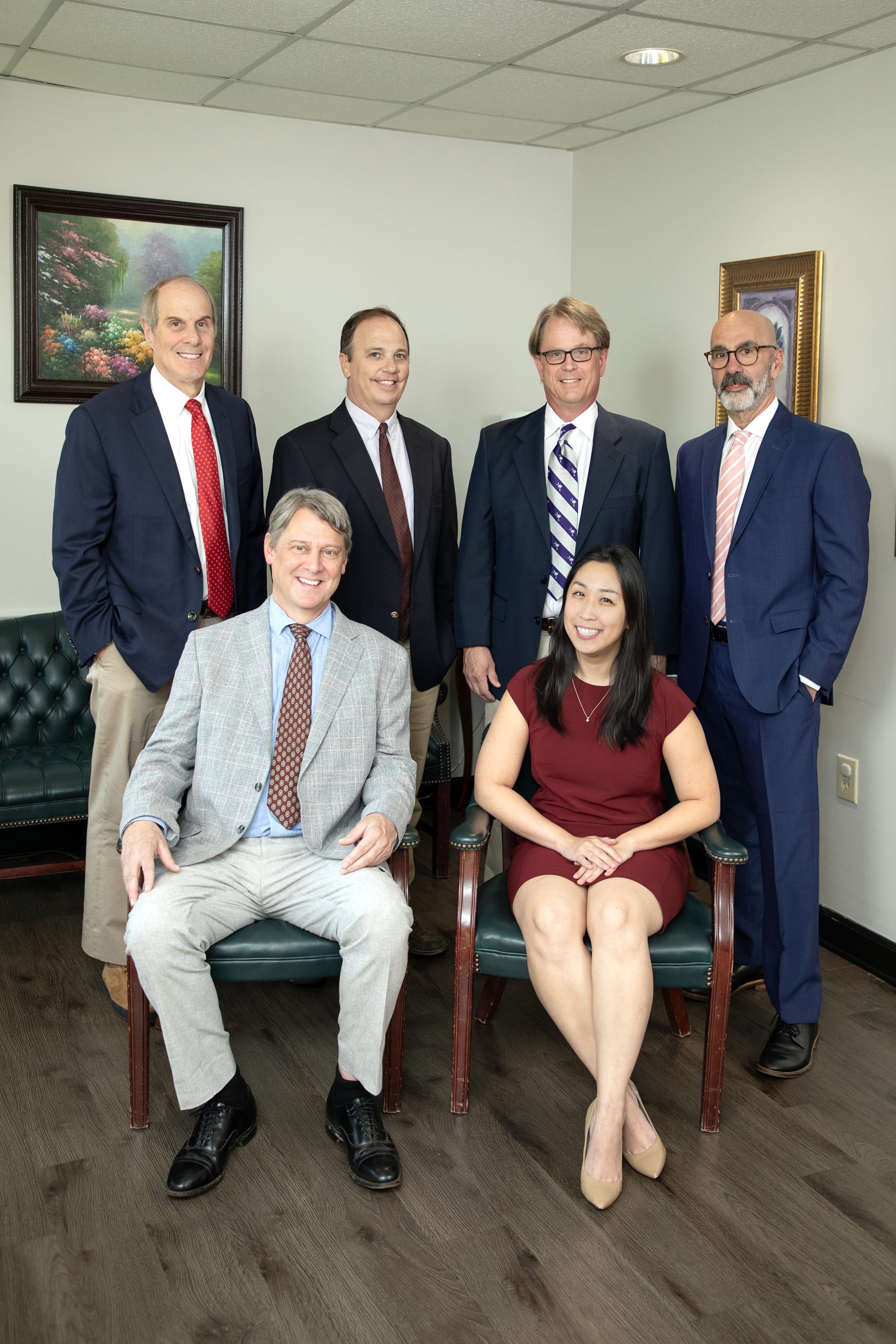
Columbia Gastroenterology Associates
Columbia / Active studies
Digestive conditions
A long-running gut health practice. Also, it takes part in digestive trials around Columbia.
What to Expect in a Liver Study
New to studies? Here is how one works, step by step.
01
Prescreening
First comes a short phone call or online form. Also, it takes about 10 to 15 minutes. The staff check whether you might fit. Then they tell you what is open.
02
Screening Visit
Next the clinic runs the tests that decide it, which usually means blood work. Also, they go through the consent form line by line, and you can bring somebody with you.
03
Treatment Period
Then the study begins. So you take the study drug or the placebo on the agreed schedule. Meanwhile, your own doctor keeps managing everything else.
04
Follow-Up
Finally, there is a check in period at the end. Also, your own doctor gets the results, and you can stop at any point without affecting your care.
Fatty Liver Trial FAQs
Real answers about MASH and MASLD studies near Columbia SC.
Is there a fatty liver study near Columbia?
Yes, seven, which makes this one of the best covered conditions anywhere on our site. Remarkably, all seven run from research practices in the same zip code, so in practice it is one phone call. Also, four of them take you on scans and blood tests alone, with no liver biopsy at any point. So whether you have reached cirrhosis decides most of which ones apply.
Do I have to have a liver biopsy?
Not necessarily, and this is the most useful thing on the page. Several studies here let you in on scans and blood tests alone, with no needle in your liver at all. Others need one to get in, and one of them can mean two or three across seven years. So say on the first call that biopsies are your sticking point, because it changes which study they offer.
What is MASH, and what happened to NASH?
They are the same disease under a new name. Fat builds up in the liver, causes inflammation, and then scarring. The name was changed to put the metabolic cause at the centre rather than describing it by what it is not. Also, you may still see the old name on paperwork, so do not let that confuse you.
Is there really a drug for this now?
Yes, and that is new. In 2024 resmetirom became the first drug ever approved specifically for this disease with moderate to advanced scarring. Then in August 2025 semaglutide was approved for it too, without cirrhosis. As Naim Alkhouri put it, having that first approval available in clinic has been a game changer.
What if I already have cirrhosis?
Then you are in the group with the biggest gap, and several studies here are built for you. Nothing at all is approved anywhere in the world for cirrhosis caused by fatty liver. So the studies for that stage count serious events over years rather than measuring a scan. However, any past episode of fluid in the belly or liver confusion usually rules you out.
Is there a placebo?
Yes in most of them, but the odds often favour you. Two studies give you twice the chance of the real drug as the dummy. One splits three ways into two real doses and a dummy, so 2 in 3 get real drug. Also, the biggest study offers a 2 year extension afterwards where everybody receives the real drug.
Can I stay on my weight loss shot?
Sometimes, but only on a steady dose, and this now catches a lot of people. One study rules you out if your GLP-1 dose is not stable. Another rules you out if your weight changed by more than 5 percent recently. So tell the clinic exactly what you are taking and for how long, before anything else.
Do I need insurance?
No. None of these require insurance. The study medicine, the scans and the study visits are provided at no cost. Also, you keep your own doctor throughout, and results go back to them. You would always call the clinic yourself.
How long do these run?
They range hugely, so read that line on every card. The shortest is 12 weeks. The longest runs up to 7 years and involves several biopsies. Also, the biggest study is about 4 years with roughly 25 to 30 visits, which is one every couple of months. So match the commitment to what you can actually do.
Where can I get liver care near Columbia SC?
Prisma Health and Lexington Medical Center both run digestive and liver clinics across the Midlands. Also, ask for a FibroScan by name, because that painless scan is how scarring gets tracked without a needle. Your own doctor can refer you to a liver specialist. Meanwhile, if you have diabetes or carry extra weight, ask about your liver enzymes at your next blood test.
Ready to Explore a Study?
Check your eligibility, or just reach out to our Columbia team. No pressure. Also, no sales pitch.
← Back to All Clinical TrialsSources
- SYNERGY-Outcomes tirzepatide and retatrutide study, ClinicalTrials.gov NCT07165028
- SYNCHRONY Outcomes efruxifermin study, ClinicalTrials.gov NCT06528314
- SYNCHRONY Histology efruxifermin study, ClinicalTrials.gov NCT06215716
- ENLIGHTEN-Fibrosis pegozafermin study, ClinicalTrials.gov NCT06318169
- ENLIGHTEN-Cirrhosis pegozafermin study, ClinicalTrials.gov NCT06419374
- LIVERAGE survodutide study, ClinicalTrials.gov NCT06632444
- LIVERAGE-Cirrhosis survodutide study, ClinicalTrials.gov NCT06632457
- Eccogene ECC4703 and ECC0509 combination study, ClinicalTrials.gov NCT07288138
- HCPLive: Naim Alkhouri, MD on resmetirom since FDA approval
- AJMC from EASL 2026: what hepatology still needs to solve, with comment from Naim Alkhouri, MD and Zobair M. Younossi, MD
- FDA approval of semaglutide for MASH, with comment from Arun Sanyal, MD, Virginia Commonwealth University
Study details and per-site recruiting status verified against ClinicalTrials.gov on August 15, 2026. One study lists a Columbia site that has completed enrolment, so it is not counted here. Study availability and criteria change; the research clinic confirms everything before you enroll.