COLUMBIA, SC
High Potassium Clinical Trials
One high potassium study is enrolling in Columbia SC, and it takes children only. There is no dummy in it at all, so every child enrolled gets the real medicine. Compensation is provided for eligible participants.
1
In Columbia
0
For Adults
+/- $100
Per Visit
New here? Read how this page works
First, the honest picture. One study runs here, and it is for children. No adult study is open in either metro. So here is how to use this page.
- Start with age. Because both studies here take children only, and no adult study is open in either metro.
- Check the dialysis question. Notably, hemodialysis rules a child out, but peritoneal dialysis does not.
- Ask your own doctor about a binder. In fact, that is the question this whole field is built around, and you do not need a trial to ask it.
- Finally, put your name in. Then we call you the day an adult study opens near you.
Of course, checking never signs you up for anything. You are only seeing where you might fit.
High Potassium Studies Within Reach of Columbia
Both take children only. However, both give every child the real medicine, because neither uses a dummy.
In Columbia, and it is for children
This runs here in Columbia. However, it takes children only, and no adult study is open in either metro.

A Powder for Children, and No Dummy at All
AstraZeneca / Drug
A powder mixed with water that soaks up extra potassium in the gut, so it leaves the body in stool. Doses are scaled to body weight, and every child gets the real medicine.
Payment is not published. However, there is no dummy, so every child is treated.
Check eligibility →More details
Why researchers are excited: this medicine works well in adults but has almost never been studied in children. So doctors have been left guessing at doses.
Who this study is looking for
- Under 18 years old
- Also, potassium above the normal range for their age, confirmed on two tests in a row
- Besides that, they need ongoing treatment for high potassium
- Finally, A parent or guardian can bring them to every visit and give the medicine
Probably not a fit if: the child is on hemodialysis, which rules them out. However, a steady peritoneal dialysis routine of at least 2 months is allowed.
- Placebo group: None at all. This is fully open, so every child gets the real medicine and everybody knows it.
- How long: About 28 weeks in total.
- Clinic visits: Roughly 14 to 16 across those 28 weeks. That is screening, up to 3 correction days, about 4 or 5 visits in the first month, then monthly, then one safety check.
- Phone calls: Not published on the public record.
- Most invasive part: Repeated blood draws and heart tracings, which in a young child is the main burden.
- Setting: Outpatient.
- Where it runs: Research Site, Columbia SC 29203.
- Read this first: a heart tracing outside the range for the child’s age at screening rules them out, and no parent can predict that in advance.
- Full study record: View on ClinicalTrials.gov →
For younger children still
This is the companion study using the other binder, and it goes all the way down to newborns.

The Other Binder, and It Goes Younger
Vifor Pharma / Drug
The companion study to the one above, using the other potassium binder. It takes children from birth to 11, including those fed through a tube.
Payment is not published. Notably, kidney disease is not a barrier here.
Get on the list →More details
Why researchers are excited: it is the only study reaching the youngest children, where there is almost no evidence at all.
Who this study is looking for
- Birth to 11 years old
- Also, high potassium needing treatment
- Besides that, children fed through a tube can take part
- Finally, A parent or guardian can travel to Durham
Probably not a fit if: the child is on maintenance hemodialysis. However, peritoneal dialysis is allowed, and chronic kidney disease is explicitly not a barrier.
- Placebo group: None at all. Every child gets the real medicine and everybody knows it.
- How long: The first part runs 28 days, then a second part can extend to 52 weeks.
- Clinic visits: The published points in the first part are days 3, 7, 14 and 28. After that the schedule for the longer part is not registered.
- Phone calls: Not published on the public record.
- Most invasive part: Repeated blood draws in a young child.
- Setting: Outpatient.
- Where it runs: Duke University Hospital, Durham NC 27710.
- Drive from Columbia: Durham is about 200 miles north, so roughly 3 hours on I-20 and I-85.
- Worth knowing: this is the only study on this page that takes babies and toddlers. So for a very young child it may be the only door open anywhere near here.
- Full study record: View on ClinicalTrials.gov →
Not sure which one fits you?
First, answer a few quick health questions. Then we check you against both studies. Finally, we call you when an adult study opens near Columbia. No account, no paperwork.
See if I may fit one of these studies →What Is Actually Happening With High Potassium
A trap built into the best kidney medicines.
Why It Matters at All
Potassium is a mineral your body needs, and your kidneys keep it in a safe range. When kidneys are damaged it can build up in the blood, which is called hyperkalemia. However, it usually causes no symptoms at all until it starts to disturb the heart’s rhythm. So it is found on a blood test rather than by how you feel.
The Trap Nobody Explains
Here is the cruel part. The very medicines that best protect failing kidneys and hearts all push potassium up. So doctors are often forced to cut the dose or stop them, which then lets the kidney disease move faster. As one expert panel writing in Heart Failure Reviews put it, stopping those drugs may be necessary, although it risks the disease getting worse.
What Changed
Two newer powders pull potassium out through the gut, and both are far easier to take than the old resin. The same panel wrote that these offer real advantages over the older treatments, and are better tolerated options for patients. So the hope is that people can stay on their kidney protecting drugs instead of giving them up.
The Open Question
Researchers are now asking whether that strategy really does keep people on treatment for longer. Meanwhile, a second and quite separate gap is children. Writing in Pediatric Nephrology, Lucas Maciel de Almeida Correa and colleagues found the direct evidence in children remains very small, limited to three reports. So they concluded that any off label use should stay individual and closely watched.
Why the Studies Here Are for Children
That gap in the evidence is exactly why both studies on this page enrol children rather than adults. The adult medicines are already approved and widely used. So the open question is dosing and safety in young bodies. In fact, one of the two goes all the way down to newborns, including children fed through a tube.
What Adults Should Do Instead
If your potassium is high, the useful move is not a trial, because there is no adult study here. Instead, ask your doctor whether a binder would let you stay on your kidney protecting medicine at full dose. That is the exact question this whole field is built around. Also, put your name on our list, because adult studies do open and we will call you.
Research Sites Near Columbia
One of them runs the paediatric study today. But sites add new studies all the time, so it is worth knowing what sits near you.

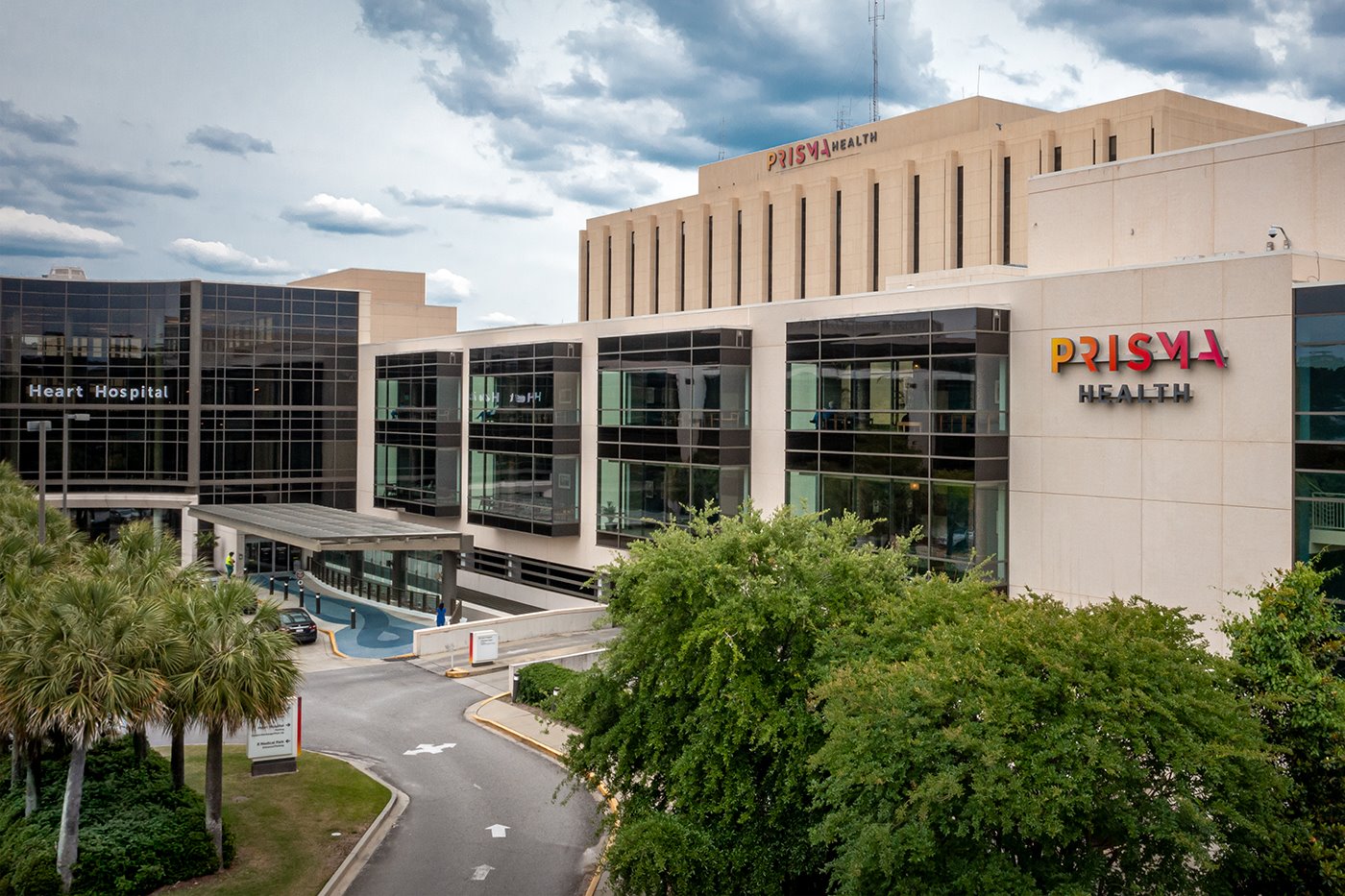
Prisma Health Richland Hospital
Downtown Columbia / 37+ active studies
Cancer, blood disorders, broad hospital research
The flagship Prisma Health hospital in the Midlands. Also, by far the biggest trial operation in the Columbia metro.
Visit Website →
University of South Carolina
Columbia / 27+ active studies
Stroke recovery, physical activity, community health
Notably, a research university that runs federally funded health studies across the Midlands. Specifically, topics range from stroke rehab to disease prevention.
Visit Website →
Bogan Sleep Consultants
Columbia / 7+ active studies
Narcolepsy, sleep disorders
One of the best known private sleep research sites in the Southeast. Also, it has run sleep trials for decades.
Prisma Health Midlands Cardiovascular
Columbia / 4+ active studies
Cardiovascular disease, heart failure
The heart and vessel research arm of Prisma Health in the Midlands. So it is the natural home for cholesterol trials in Columbia.
Visit Website →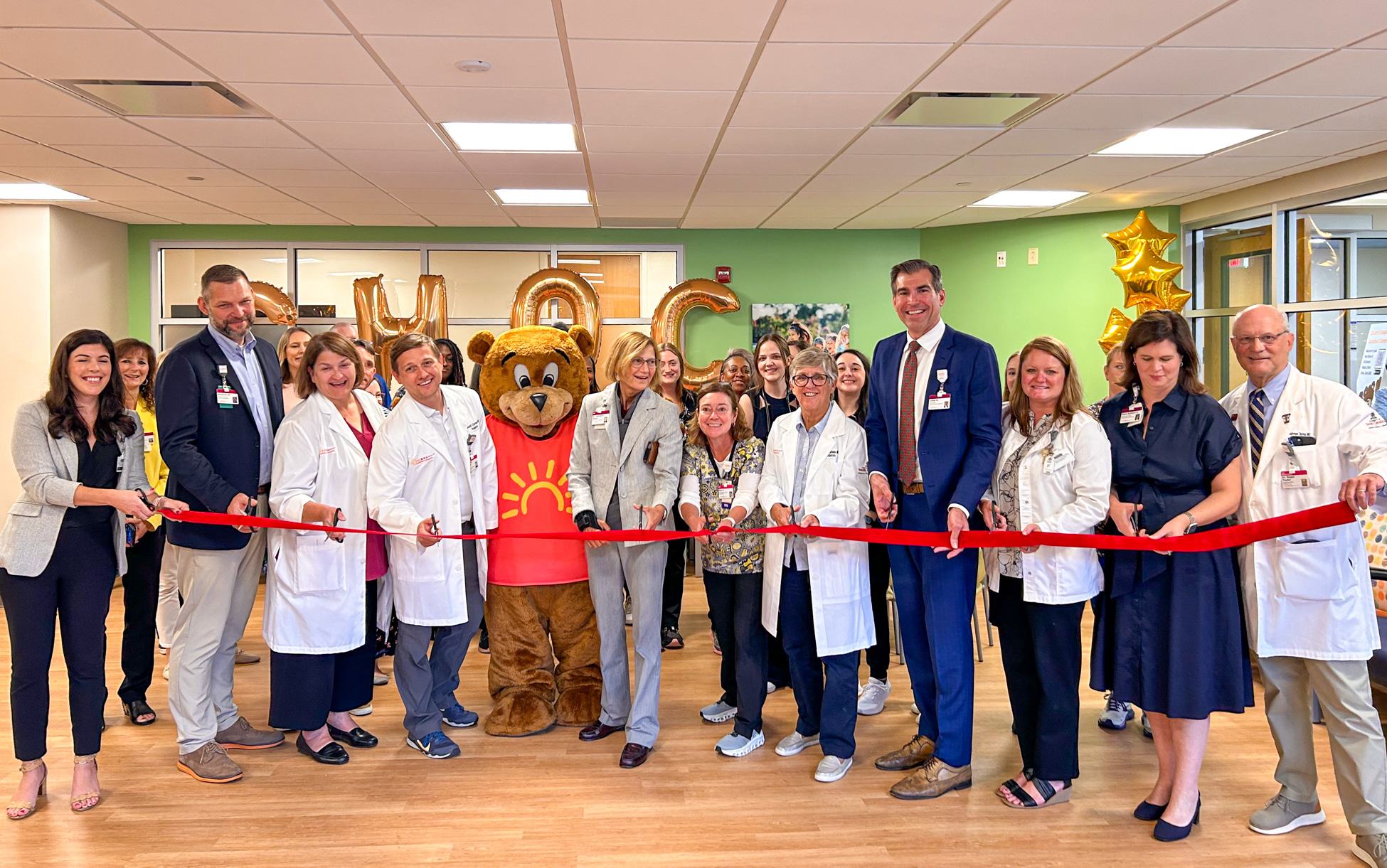
Prisma Health Children’s Hospital, Midlands
Columbia / 4+ active studies
Pediatric growth, cystic fibrosis
Basically, the Midlands hub for children’s research inside the Prisma Health system.
Visit Website →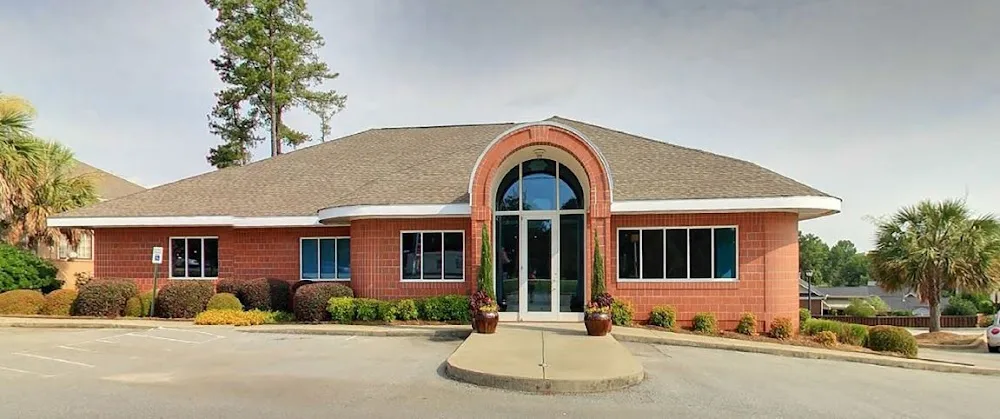
Columbia Dermatology & Aesthetics
Columbia / 4+ active studies
Hidradenitis suppurativa, psoriasis, obesity
A skin care practice with its own research team. It runs both skin and weight studies.
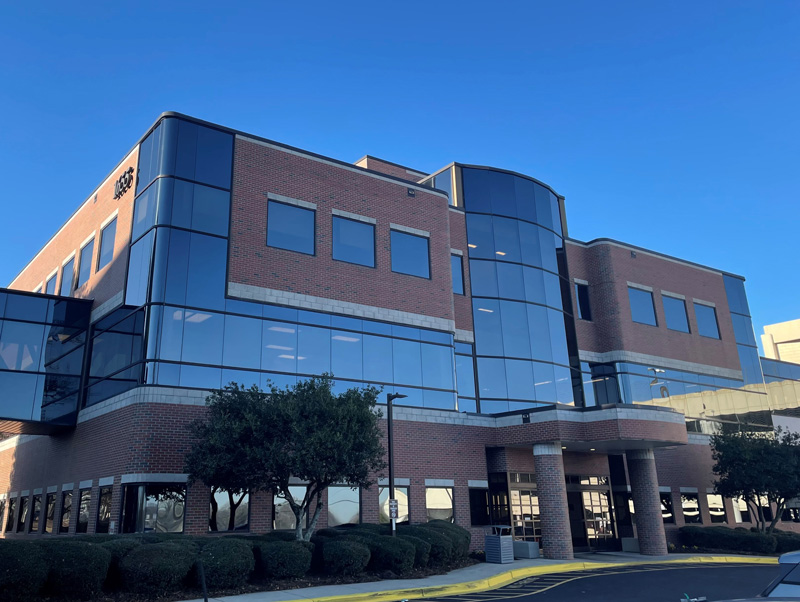
Velocity Clinical Research, Columbia
Columbia / Multiple active studies
COPD, skin conditions, vaccines
Part of one of the biggest research site networks in the country. Besides, it is just the kind of site the huge outcome trials lean on.
Visit Website →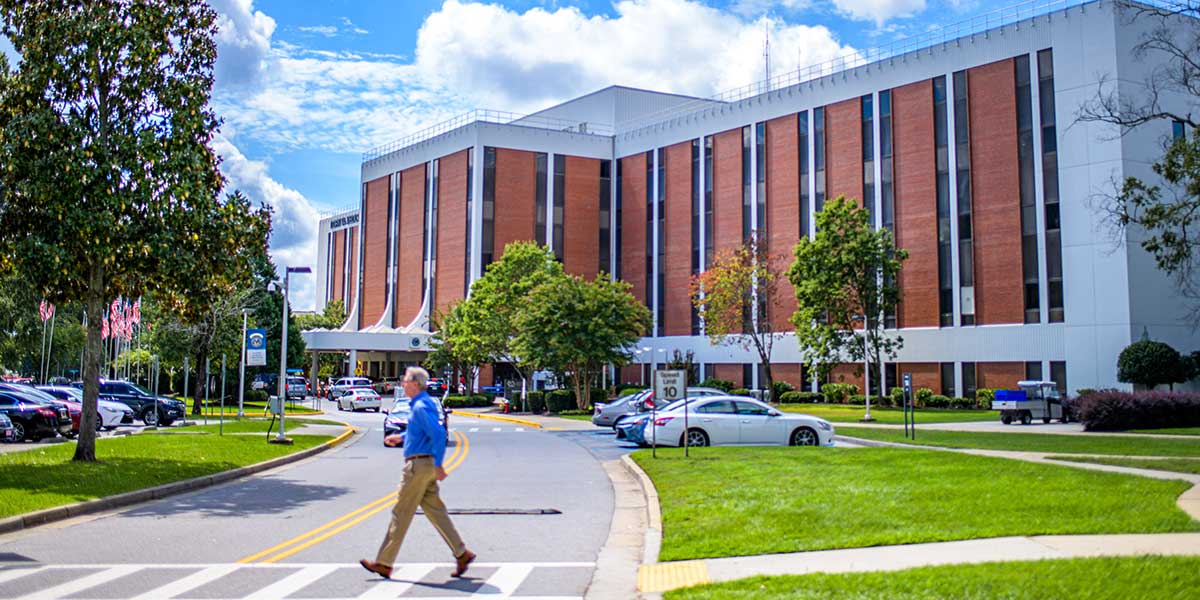
Wm. Jennings Bryan Dorn VA Medical Center
Garners Ferry Road, Columbia / 2+ active studies
Atherosclerosis, liver disease
Columbia’s VA medical center runs studies, including ones on clogged arteries. For veterans, it is often the first door.
Visit Website →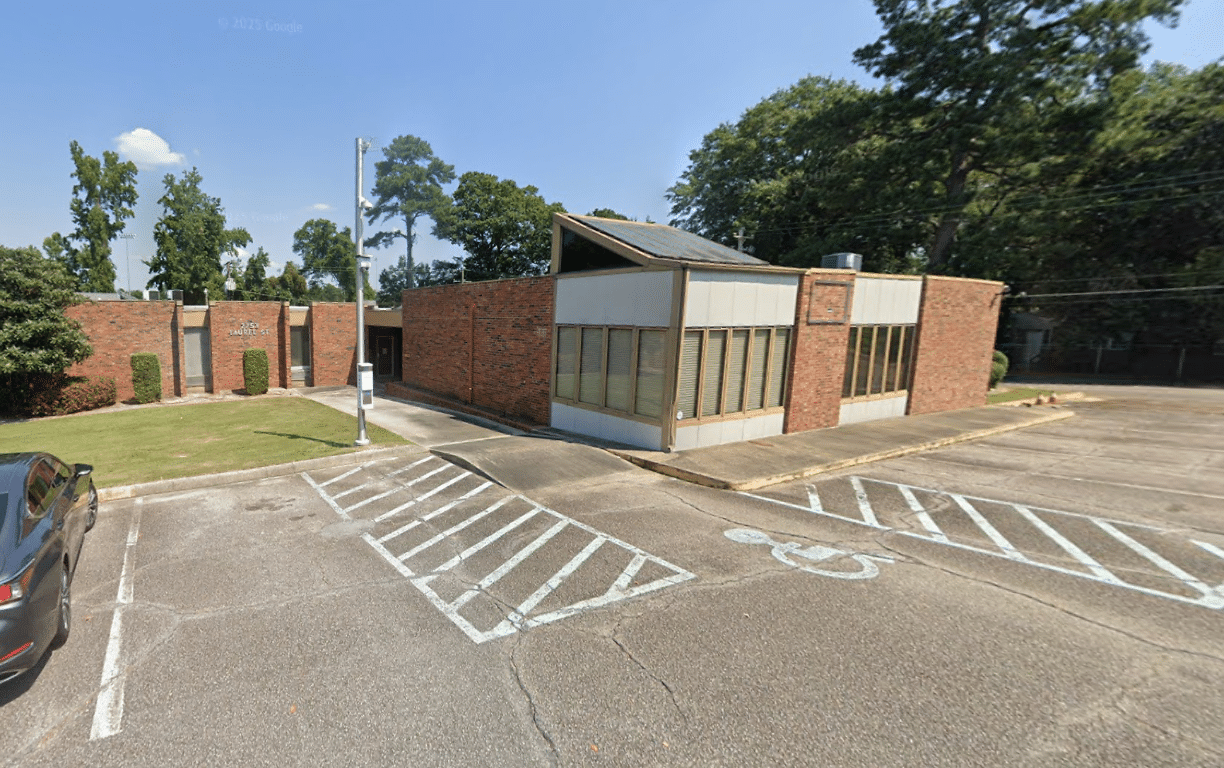
Objective Health, Columbia
Columbia / 2+ active studies
Celiac disease, fatty liver disease
Once called Columbia Digestive Health Research. Now it is part of the Objective Health network. Specifically, it runs gut and liver studies, including fatty liver trials.
Columbia Gastroenterology Associates
Columbia / Active studies
Digestive conditions
A long-running gut health practice. Also, it takes part in digestive trials around Columbia.
What to Expect in a Potassium Study
New to studies? Here is how one works, step by step.
01
Prescreening
First comes a short phone call or online form. Also, it takes about 10 to 15 minutes. The staff check whether you might fit. Then they tell you what is open.
02
Screening Visit
Next the clinic runs the tests that decide it, which usually means blood work. Also, they go through the consent form line by line, and you can bring somebody with you.
03
Treatment Period
Then the study begins. So you take the study drug or the placebo on the agreed schedule. Meanwhile, your own doctor keeps managing everything else.
04
Follow-Up
Finally, there is a check in period at the end. Also, your own doctor gets the results, and you can stop at any point without affecting your care.
High Potassium Trial FAQs
Real answers about hyperkalemia studies near Columbia SC.
Is there a high potassium study near Columbia?
Yes, one, and it runs right here in Columbia. However, it takes children and teenagers only. There is no dummy in it at all, so every child enrolled gets the real medicine, with doses scaled to body weight. Also, no adult study is open in either metro. So for an adult reader this page is a waiting list plus one useful question.
Why are both studies for children?
Because the adult medicines are already approved and widely used, so that question is settled. The gap is in children, where almost no formal evidence exists. Writing in Pediatric Nephrology, Lucas Maciel de Almeida Correa and colleagues found the direct evidence in children remains very small, limited to three reports. So these two studies exist to fill exactly that hole.
What should an adult do instead?
Ask your own doctor a specific question. Ask whether a potassium binder would let you stay on your kidney protecting medicine at full dose. That is the exact issue this entire field is built around, and you do not need a trial to raise it. Meanwhile, put your name on our list and we will call you if an adult study opens.
Why does my doctor keep lowering my kidney medicine?
Because the medicines that protect kidneys and hearts best all push potassium up. As an expert panel writing in Heart Failure Reviews put it, stopping those drugs may be necessary, although it risks the disease getting worse. So it is a genuine trade off rather than a mistake, and a binder is what might break it.
What is a potassium binder?
It is a powder you mix with water that soaks up extra potassium in your gut, so it leaves in your stool. Two newer ones are far better tolerated than the old resin most people remember. The same expert panel wrote that they offer real advantages and are better tolerated options. So they are worth asking about by name.
Can my child join if they are on dialysis?
It depends which kind, and this catches families out. A child on hemodialysis is excluded from both studies. However, a child on a steady peritoneal dialysis routine can take part in the Columbia study. So check which type your child is on before you call.
Is there a placebo?
No, and that is unusual and worth saying. Neither study uses a dummy at all. Every child enrolled receives the real medicine and everybody knows it. Also, doses are scaled to body weight rather than given as a flat amount. So no child is left untreated in either study.
Does it cost anything to be on the list?
No. There is no cost, and no insurance is needed. Tether is a nonprofit list, so we do not run studies and we are not paid to send you anywhere. Also, being on the list never enrolls anyone in anything. You would always call the clinic yourself.
How high is too high?
That is a question for your own doctor, because the answer depends on your kidney function and your other medicines. What we can say is that it is tracked on a simple blood test, and that the number matters even with no symptoms. Also, a sudden rise is treated differently from a steady one. So ask what your last reading was and what your doctor wants it to be.
Where can I get care for high potassium near Columbia SC?
Prisma Health and Lexington Medical Center both run kidney and heart clinics across the Midlands. Also, ask your own doctor whether a potassium binder would let you stay on your kidney medicine at full dose. That single question is worth more than anything else on this page. Meanwhile, a sudden rise in potassium is urgent, so do not wait on it.
Ready to Explore a Study?
Check eligibility, or just reach out to our Columbia team. No pressure. Also, no sales pitch.
← Back to All Clinical TrialsSources
- PEDZ-K sodium zirconium cyclosilicate in children, ClinicalTrials.gov NCT03813407
- EMERALD2 patiromer in children under 12, ClinicalTrials.gov NCT05766839
- Heart Failure Reviews: multidisciplinary expert consensus on hyperkalemia management
- Pediatric Nephrology: review of sodium zirconium cyclosilicate evidence in children
Study details and per-site recruiting status verified against ClinicalTrials.gov on August 15, 2026. On that date the Charlotte NC site of the paediatric study was listed as withdrawn, and no adult study was recruiting in either metro. Study availability and criteria change; the research clinic confirms everything before you enroll.