
COLUMBIA, SC
Heart Valve Clinical Trials
No heart valve study is enrolling in Columbia SC, and we would rather say so plainly. Charlotte has eight, and one of those is a daily pill only 30 minutes past Rock Hill. Compensation is provided for eligible participants once one opens here.
0
In Columbia Today
8
Near Charlotte
+/- $100
Per Visit
New here? Read how this page works
Here is the honest picture. No valve study is open in Columbia, and none anywhere in the Midlands. However, Charlotte has eight and one of them is closer than you would think. So here is how to use this page.
- Start with the pill study. Because Rock Hill is about an hour and 15 minutes, and it involves no procedure at all.
- Then look at the Charleston registry. Notably, that one records care rather than giving treatment.
- Weigh the Charlotte drive honestly. In fact, the device studies run for 5 years, so think about the repeat trips.
- Finally, put your name in. Because that is how we know to call you the day a valve study opens in Columbia.
Of course, checking never signs you up for anything. You are only seeing where you might fit.
Heart Valve Studies Nearest to Columbia
Nothing is open in the Midlands. However, the nearest pill study is just past Rock Hill, and one registry runs in Charleston.
The nearest ones, and where they are
All of these are near Charlotte, about an hour and a half north. However, one is a pill in Rock Hill and one has a site in Charleston.

The First Pill Meant to Slow a Stiffening Valve
Kardigan / Drug
This is for people whose main heart valve is stiffening but is not yet bad enough to replace. So a daily pill is tested to see whether it slows the calcium building up on the valve.
Est. $300 or so, but the full schedule is not published
Check eligibility →More details
Why researchers are excited: no drug on earth slows this. Today every patient simply waits until the valve is bad enough for surgery.
Who this study is looking for
- Adults 50 and older
- Also, moderate calcium build up on the aortic valve, seen on a scan
- Besides that, your heart pumping strength is still reasonable, at 45 percent or better
- Finally, no valve replacement expected in the next 6 months
Probably not a fit if: you were born with a two flap valve, or you have moderate mitral valve disease, or your arteries need treating first.
- Placebo group: Yes, and roughly half get a dummy pill. Nobody involved knows which, not even the people scoring the results.
- How long: Up to about 3 years.
- Clinic visits: At least 3 published check points, at weeks 24, 48 and 158. However, the full schedule is not published, and a 3 year daily pill study will involve more.
- Phone calls: Not published on the public record.
- Most invasive part: Generally, heart ultrasounds, CT scans and blood draws. Notably, no catheter and no surgery.
- Setting: Outpatient.
- Where it runs: OnSite Clinical Solutions, Rock Hill SC 29732.
- Drive from Columbia: Rock Hill is about 70 miles north, so roughly an hour and 15 minutes up I-77.
- Why this one is different: it is the only study here that is a pill rather than a procedure, and the only one you can join before your valve is bad enough to fix.
- Full study record: View on ClinicalTrials.gov →

The Newest Generation Aortic Valve
Edwards Lifesciences / Device
The newest version of a balloon expanded aortic valve, placed by catheter through the groin. Also, it is measured against how current valves are expected to perform.
Payment is not published. Ask the clinic.
See if you fit →More details
Why researchers are excited: as this procedure moves to younger and lower risk people, how long the valve lasts becomes the whole question.
Who this study is looking for
- Severe calcified narrowing of the aortic valve
- Also, symptoms that limit you
- Besides that, valve anatomy that fits the device on a CT scan
- Finally, able to consent and attend follow up
Probably not a fit if: you have a valve with one or two flaps instead of three, or an artificial valve already, or a BMI over 50, or a life expectancy under 2 years.
- Placebo group: None at all and no fake procedure. Everybody receives the study valve.
- How long: Main result at 1 year, with tracking running about a decade.
- Clinic visits: Only 2 published, at 30 days and 1 year. However, the record runs to 2037, so yearly follow up is implied but not listed.
- Phone calls: Not published on the public record.
- Most invasive part: Basically, replacement of the aortic valve through a catheter in the groin artery.
- Setting: Outpatient.
- Where it runs: Novant Health Heart and Vascular Institute, Charlotte NC 28204.
- Drive from Columbia: Charlotte is about 90 miles north, so roughly an hour and a half on I-77.
- Read this carefully: Novant is open for this study but Atrium is not. So going to the wrong Charlotte hospital wastes a trip.
- Full study record: View on ClinicalTrials.gov →

A New Mitral Valve for People Turned Down Twice
4C Medical Technologies / Device
A replacement mitral valve delivered by catheter that sits above the natural valve rather than inside it. So it is for people whose leaking valve cannot be fixed by surgery or by a clip.
Payment is not published. Ask the clinic.
See if you fit →More details
Why researchers are excited: its design sidesteps the problem that has defeated most mitral valve replacements, which is blocking the heart’s outflow.
Who this study is looking for
- Adults 18 and older
- Also, A moderate to severe or severe leaking mitral valve
- Besides that, still breathless despite proper medicines
- Finally, the heart team has judged you unsuitable for both surgery and a clip
Probably not a fit if: your heart pumping strength is 25 percent or less, or you are allergic to nickel, or you had a heart procedure in the last 90 days.
- Placebo group: None at all and no fake procedure. Everybody enrolled receives the real valve.
- How long: 5 years of follow up.
- Clinic visits: About 9. First baseline, then the procedure, 30 days, 6 months, 1 year, and yearly to 5 years.
- Phone calls: Not published on the public record.
- Most invasive part: Basically, a valve placed through a vein and across the wall between the heart’s upper chambers.
- Setting: Outpatient.
- Where it runs: Atrium Health, Charlotte NC 28203.
- Drive from Columbia: Charlotte is about 90 miles north, so roughly an hour and a half on I-77.
- Read this first: you must have been turned down for both surgery and the clip. So being high risk is not enough, because you have to be out of standard options.
- Full study record: View on ClinicalTrials.gov →

Tracking Who Is Even a Candidate
Abbott / Observational registry
Nothing is given or changed. Researchers record what happens to people considered for a catheter mitral valve. Instead, it builds the real world picture that trials alone never capture.
No study payment. It is a registry rather than a paid trial.
Read the details →More details
Why researchers are excited: it shows who actually turns out to be a candidate, and what happens to the people who are not treated.
Who this study is looking for
- Adults 18 and older
- Also, symptomatic mitral valve disease
- Besides that, symptoms that limit you
- Finally, the heart team considers a catheter approach more suitable than surgery
Probably not a fit if: you are on dialysis, or you need constant oxygen, or a past procedure would block valve delivery.
- Placebo group: None at all. Nothing is assigned, because this only records what happens.
- How long: 2 years of follow up.
- Clinic visits: Not published on the public record. However, nothing is required beyond your normal care.
- Phone calls: Not published on the public record.
- Most invasive part: Nothing beyond the care you were already having.
- Setting: Outpatient.
- Where it runs: Atrium Health Carolinas Medical Center, Charlotte NC 28203, and MUSC, Charleston SC 29425.
- Drive from Columbia: The Charleston site is about 115 miles southeast, so roughly two hours on I-26.
- Be clear on this one: joining does not get you the valve. Still, it is often how a centre identifies you for the device study later.
- Full study record: View on ClinicalTrials.gov →
Not sure which one fits you?
First, answer a few quick health questions. Then we keep your answers on file. Finally, we call you when a valve study opens near Columbia. No account, no paperwork.
See if I may fit one of these studies →What Is Actually Being Tested for Heart Valves
One pill, and a lot of catheters.
Two Different Problems, Often Confused
Your heart has four valves that work like one way doors. In narrowing, the valve stiffens with calcium so the heart strains to push blood out. In leaking, the door does not close, so blood sloshes backwards and the heart pumps the same blood twice. So they feel similar from the outside but need completely different fixes.
Open Surgery Is No Longer the Only Answer
Most aortic valves can now be replaced through a catheter threaded up from the groin, with people often home in a day or two. That changed the field completely. However, doing the same for the mitral and tricuspid valves is much harder because of their shape. In fact, that is why most of the studies here are mitral and tricuspid device trials.
Should You Fix It Before You Feel It?
A big question is whether to act before symptoms start. On the recent evidence, Philippe Généreux said the most important finding is that there is no evidence of any penalty or harm from treating early. He added that it seems there are no advantages to waiting. Meanwhile, Josep Rodes-Cabau pointed out there were no differences in death at 4 years, and that half of those simply watched seemed to do okay.
Which Means Monitoring Matters
If early treatment is safe but waiting is also survivable, the decision rests on watching closely. As Gilbert Tang of Mount Sinai put it, even if you have no symptoms you should be monitored very closely for symptoms starting or creeping in. So the practical advice is to keep your echo appointments. Notably, several studies here give you far more imaging than routine care does.
The One Pill on This Page
Every other study here involves a catheter. One does not. It tests whether a daily pill can slow the calcium building up on a stiffening valve. There is no drug anywhere in the world that does this today, so every patient simply waits until surgery is needed. However, it only takes people whose valve is not yet bad enough to replace, so the window for joining is narrow.
Research Sites Near Columbia
None of them runs a valve study today. But sites add new studies all the time, so it is worth knowing what sits near you.
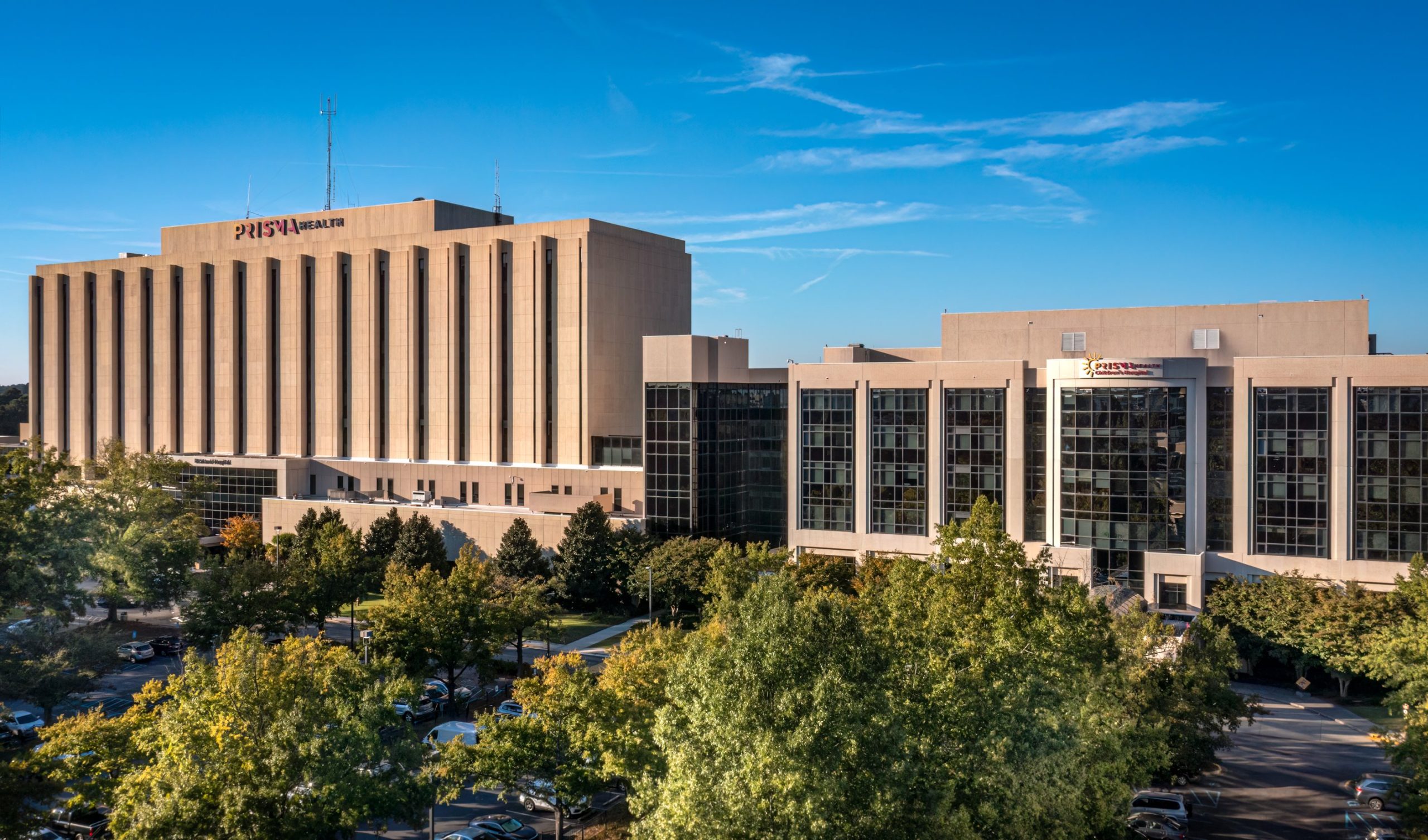
Prisma Health Richland Hospital
Downtown Columbia / 37+ active studies
Cancer, blood disorders, broad hospital research
The flagship Prisma Health hospital in the Midlands. Also, by far the biggest trial operation in the Columbia metro.
Visit Website →
University of South Carolina
Columbia / 27+ active studies
Stroke recovery, physical activity, community health
Notably, a research university that runs federally funded health studies across the Midlands. Specifically, topics range from stroke rehab to disease prevention.
Visit Website →
Bogan Sleep Consultants
Columbia / 7+ active studies
Narcolepsy, sleep disorders
One of the best known private sleep research sites in the Southeast. Also, it has run sleep trials for decades.
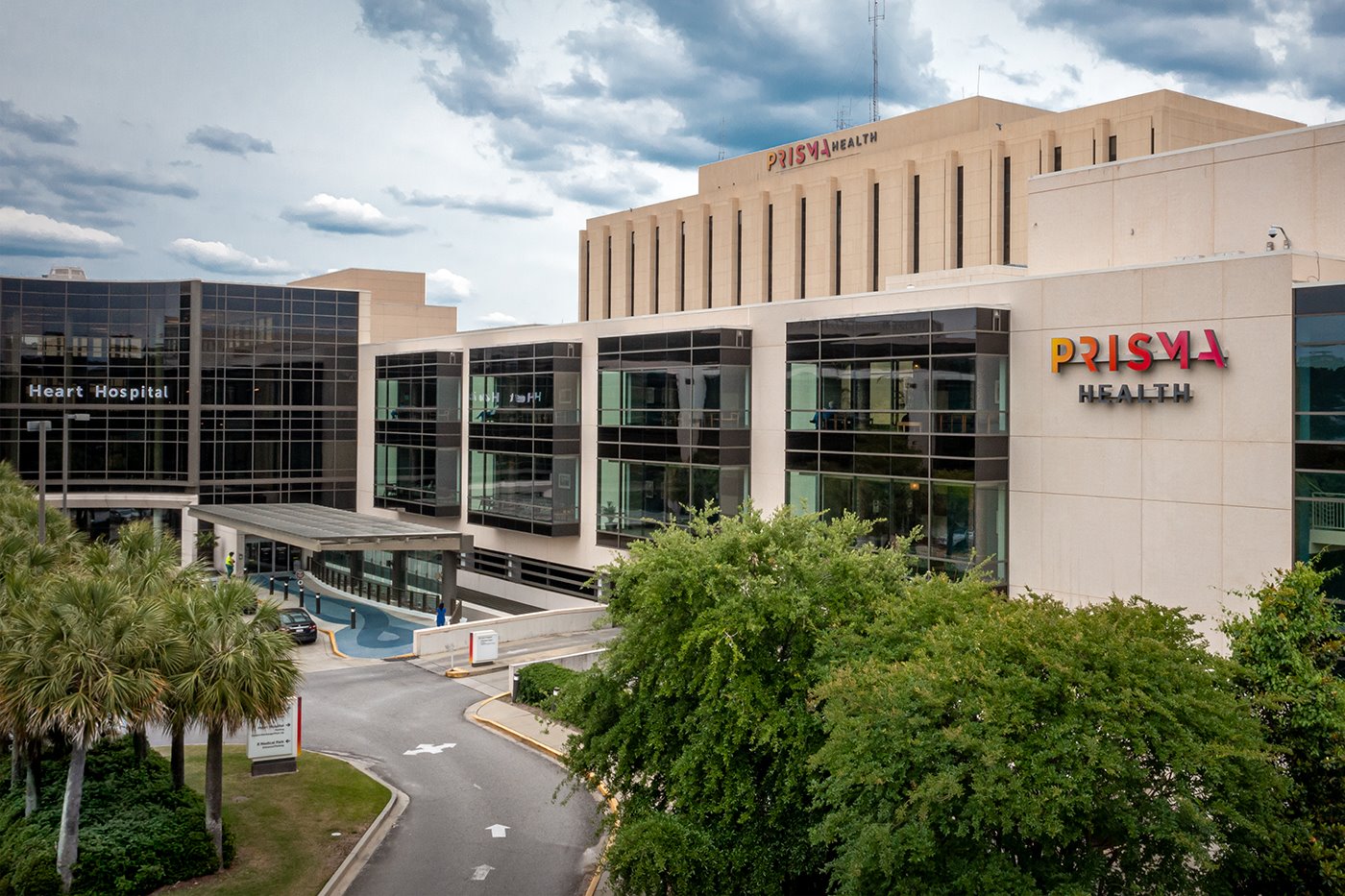
Prisma Health Midlands Cardiovascular
Columbia / 4+ active studies
Cardiovascular disease, heart failure
The heart and vessel research arm of Prisma Health in the Midlands. So it is the natural home for cholesterol trials in Columbia.
Visit Website →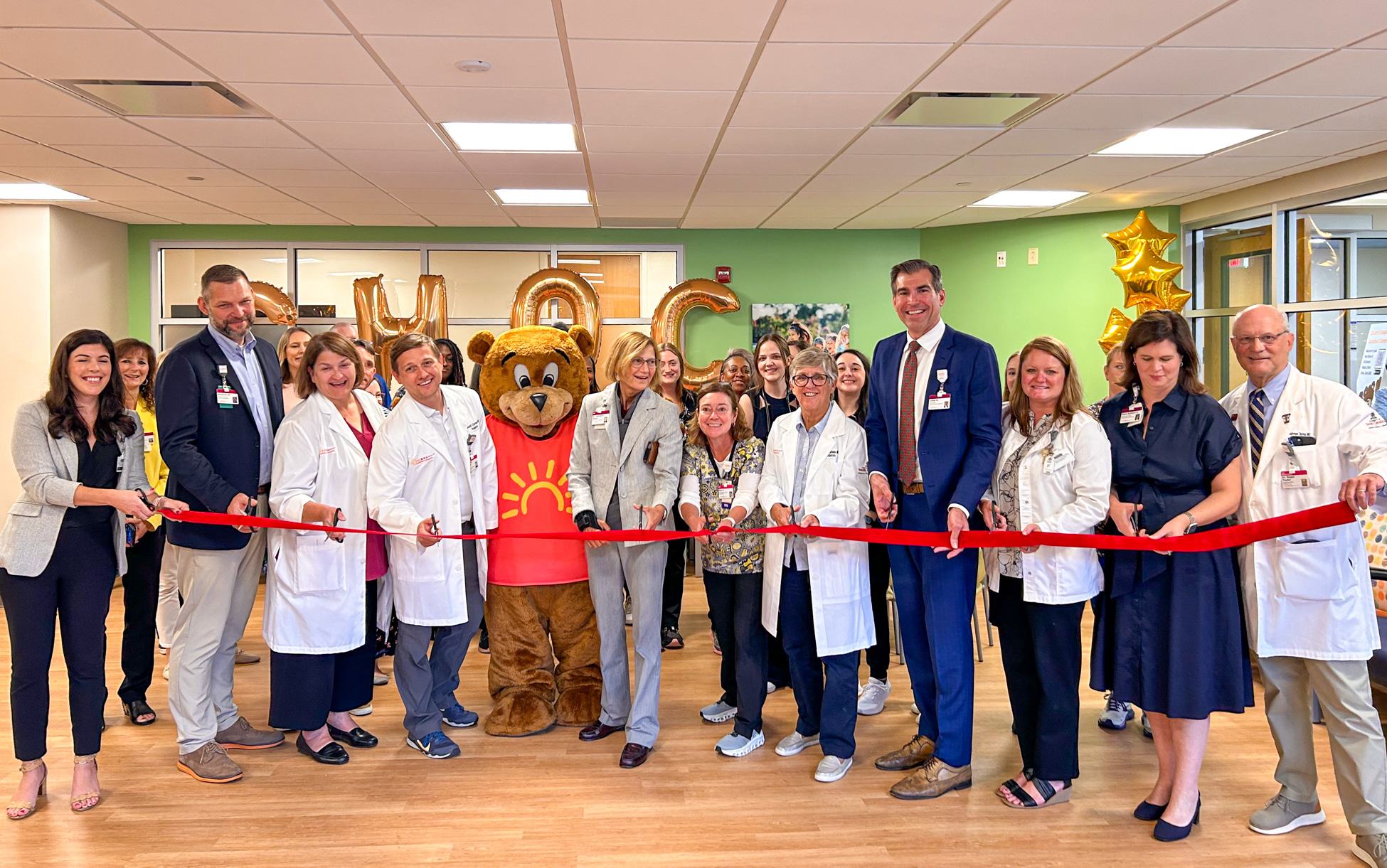
Prisma Health Children’s Hospital, Midlands
Columbia / 4+ active studies
Pediatric growth, cystic fibrosis
Basically, the Midlands hub for children’s research inside the Prisma Health system.
Visit Website →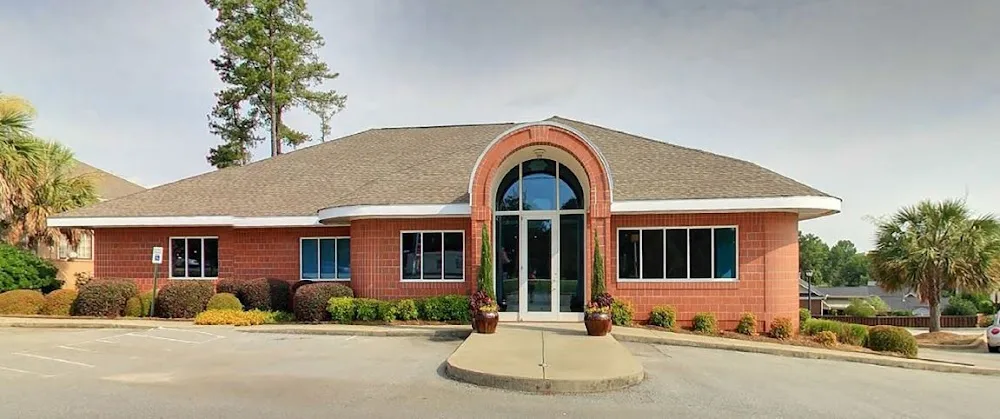
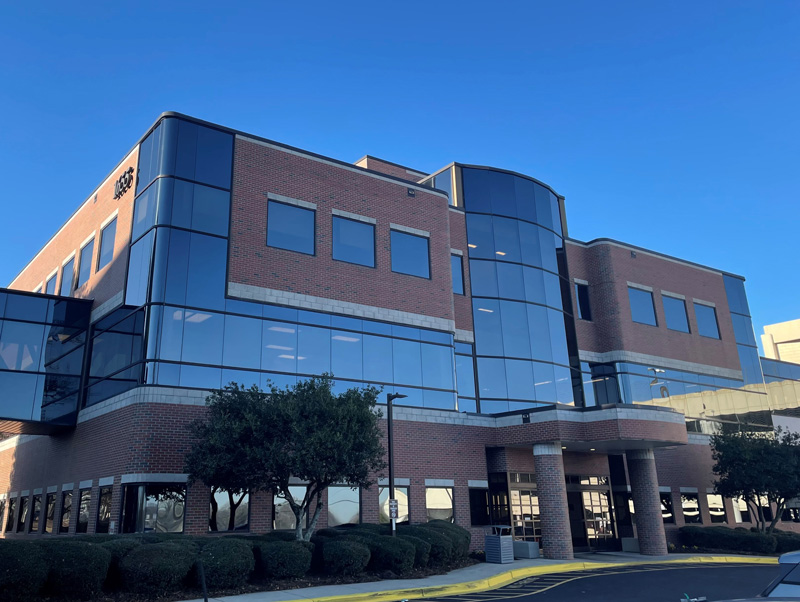
Columbia Dermatology & Aesthetics
Columbia / 4+ active studies
Hidradenitis suppurativa, psoriasis, obesity
A skin care practice with its own research team. It runs both skin and weight studies.
Velocity Clinical Research, Columbia
Columbia / Multiple active studies
COPD, skin conditions, vaccines
Part of one of the biggest research site networks in the country. Besides, it is just the kind of site the huge outcome trials lean on.
Visit Website →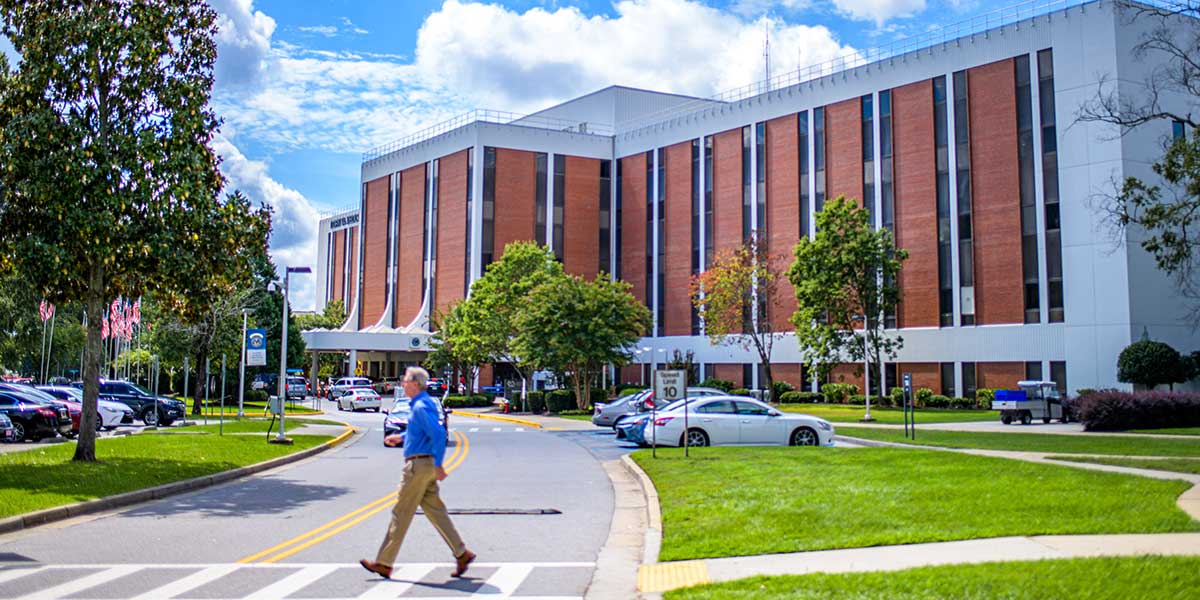
Wm. Jennings Bryan Dorn VA Medical Center
Garners Ferry Road, Columbia / 2+ active studies
Atherosclerosis, liver disease
Columbia’s VA medical center runs studies, including ones on clogged arteries. For veterans, it is often the first door.
Visit Website →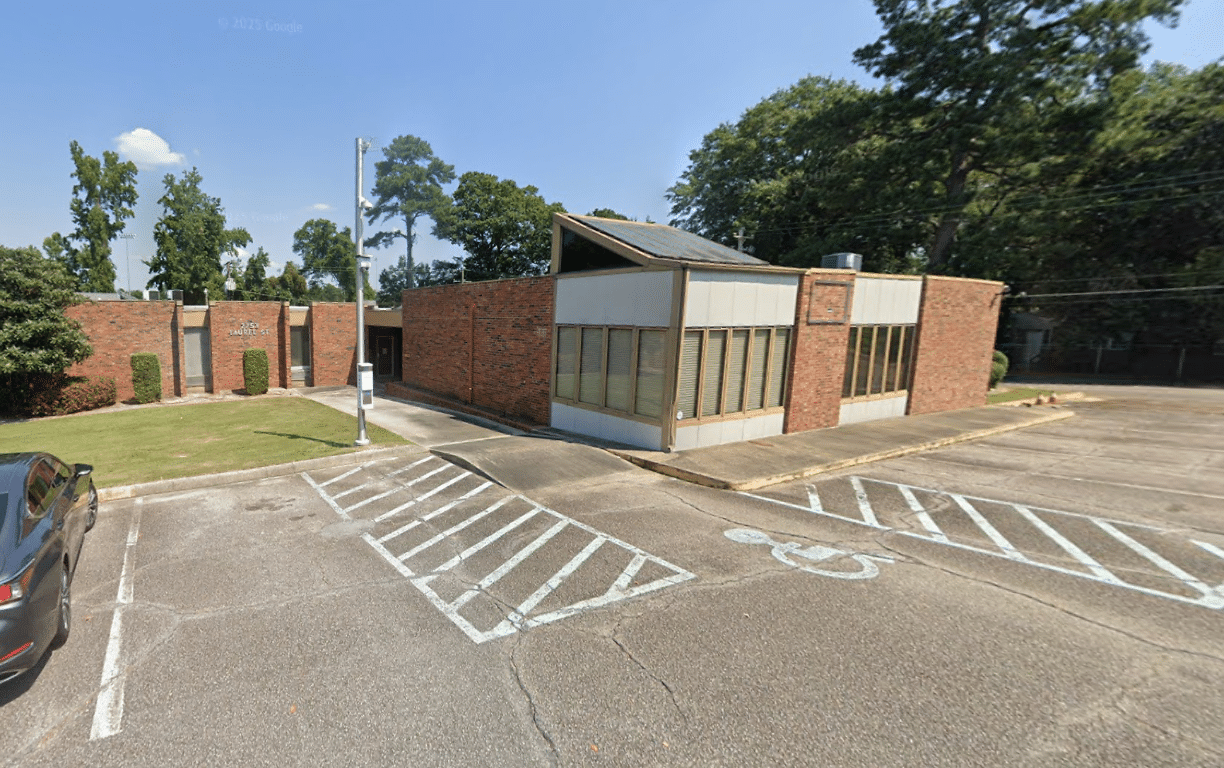
Objective Health, Columbia
Columbia / 2+ active studies
Celiac disease, fatty liver disease
Once called Columbia Digestive Health Research. Now it is part of the Objective Health network. Specifically, it runs gut and liver studies, including fatty liver trials.
Columbia Gastroenterology Associates
Columbia / Active studies
Digestive conditions
A long-running gut health practice. Also, it takes part in digestive trials around Columbia.
What to Expect in a Heart Valve Study
New to studies? Here is how one works, step by step.
01
Prescreening
First comes a short phone call or online form. Also, it takes about 10 to 15 minutes. The staff check whether you might fit. Then they tell you what is open.
02
Screening Visit
Next the clinic runs the tests that decide it, which usually means blood work. Also, they go through the consent form line by line, and you can bring somebody with you.
03
Treatment Period
Then the study begins. So you take the study drug or the placebo on the agreed schedule. Meanwhile, your own doctor keeps managing everything else.
04
Follow-Up
Finally, there is a check in period at the end. Also, your own doctor gets the results, and you can stop at any point without affecting your care.
Heart Valve Trial FAQs
Real answers about aortic stenosis and valve studies near Columbia SC.
Is there a valve study in Columbia right now?
No, and we checked every recruiting valve study in the country one by one. Neither Prisma Health nor Lexington Medical Center carries one today. Also, every Columbia hit in our search turned out to be Columbia University in New York. So the nearest real options are around Charlotte.
Would I need open heart surgery?
For most of these, no. Almost every study here places the valve through a catheter from the groin, and people often go home in a day or two. That approach replaced open surgery for most aortic valves. However, one study on this page is a daily pill and involves no procedure at all. Also, mitral and tricuspid valves are harder, which is why several of these are still being tested.
Is there a placebo?
Only in the pill study, where roughly half get a dummy tablet. Every device study here gives everybody a real working valve, with no fake procedure at all. So the coin flip in those studies decides which device, not whether you get one. Notably, that is unusual and worth knowing.
What if I have no symptoms yet?
That may be the best time to ask, and the evidence has shifted. Philippe Genereux said the most important finding is no evidence of any penalty or harm from treating early. However, Josep Rodes-Cabau noted that half of those simply watched seemed to do okay at four years. So the honest answer is that both paths are defensible, which is exactly why close monitoring matters.
Do I need insurance?
No. None of these require insurance. The study medicine, the procedures and the visits are provided at no cost. Also, you keep your own cardiologist throughout, and results are sent back to them. You would always call the clinic yourself.
How far is the nearest one?
The pill study in Rock Hill is about 70 miles, so roughly an hour and 15 minutes up I-77. The Charlotte device studies are about an hour and a half. Also, one registry has a Charleston site, which is about two hours southeast on I-26. So the pill study is genuinely the closest thing to you.
Where can I get valve care near Columbia SC?
Prisma Health and Lexington Medical Center both run cardiology across the Midlands. Also, ask for a structural heart team rather than general cardiology, because that is who decides these cases. Your primary care doctor can refer you. Meanwhile, ask for a copy of your echo report, because the numbers on it decide most of your options.
Ready to Explore a Study?
Get on the list, or just reach out to our Columbia team. No pressure. Also, no sales pitch.
← Back to All Clinical TrialsSources
- Ataciguat for moderate aortic stenosis, ClinicalTrials.gov NCT07001800
- ATLAS AltaValve pivotal trial, ClinicalTrials.gov NCT06465745
- ALLIANCE SAPIEN X4 study, ClinicalTrials.gov NCT05172960
- ALLIANCE AVIV valve in valve study, ClinicalTrials.gov NCT05172973
- JOURNEY J-Valve study, ClinicalTrials.gov NCT06455787
- COMPLETE TAVR study, ClinicalTrials.gov NCT04634240
- Cephea early feasibility study, ClinicalTrials.gov NCT05061004
- Abbott Cephea mitral valve registry, ClinicalTrials.gov NCT07069673
- TCTMD: early valve treatment, with comment from Philippe Genereux, MD, Gilbert Tang, MD and Josep Rodes-Cabau, MD
Study details and per-site recruiting status verified against ClinicalTrials.gov on August 15, 2026. On that date no heart valve study was enrolling in the Columbia metro. Study availability and criteria change; the research clinic confirms everything before you enroll.