
COLUMBIA, SC
Atrial Fibrillation Clinical Trials
3 atrial fibrillation studies are enrolling in Columbia SC, and all three are inside the city. Two are about sealing off the pouch where clots form. Free heart monitoring and no insurance needed. Compensation is provided for eligible participants.
3
Enrolling Now
3
In Columbia Itself
+/- $100
Per Visit
New here? Read how this page works
First, all three of these run inside Columbia, which is rare for us. Also, they want very different people. So here is how to tell them apart.
- Have you had a stroke? Because the smartwatch study rules out anybody who has, and that catches people out.
- Do you want off blood thinners for good? Notably, the implant study is built around exactly that goal.
- Are you already booked for a heart plug? In fact, the third study just watches busy procedure days and changes nothing.
- Finally, tap Check eligibility. Then we check you against all 3 at once and tell you when a new one opens here.
Of course, checking never signs you up for anything. You are only seeing where you might fit.
The 3 Atrial Fibrillation Studies Enrolling in Columbia
Notably, all three are inside the city, which is unusual. However, one of them rules out anybody who has had a stroke.

Sealing Off the Pouch Where Clots Form
Conformal Medical / Device
In atrial fibrillation, clots tend to form in a small pouch in the heart. This seals that pouch with an implant, so you may not need a blood thinner for life.
Est. $800 or so, across about 9 visits over 5 years
Check eligibility →More details
Why researchers are excited: the pouch is a different shape in everybody, and the softer design is meant to seal shapes the current devices cannot.
Who this study is looking for
- Adults 18 and older with atrial fibrillation not caused by a valve problem
- Also, high stroke risk, by a score your doctor already uses
- Besides that, A real reason to want off long term blood thinners
- Finally, able to take short term blood thinners after the procedure
Probably not a fit if: you need lifelong blood thinners anyway, or there is already a clot in your heart, or your pouch is the wrong shape for the devices.
- Placebo group: No dummy operation. Everybody gets a real working implant, and the coin flip only decides which one.
- How long: 5 years of follow up.
- Clinic visits: About 9 or 10 across 5 years. The procedure, then about 7 days, 45 days, 12 months, 18 months, then yearly.
- Phone calls: Not published on the public record.
- Most invasive part: The heaviest here. A catheter from a leg vein through the wall between the heart chambers, under full anaesthesia, with an ultrasound probe down the throat.
- Setting: Outpatient.
- Where it runs: Prisma Health, Columbia SC 29203, and Lexington Medical Center, West Columbia SC 29169.
- Worth knowing: you can be screened out on anatomy alone at the ultrasound stage. Also, both Columbia sites are open, so you have two local choices.
- Full study record: View on ClinicalTrials.gov →

A Smartwatch That Decides When You Need a Blood Thinner
Johns Hopkins University / Drug and device
People with on and off atrial fibrillation take a blood thinner every day for life. Here half instead wear a smartwatch and take the drug only for 30 days after it flags an episode.
Payment is not published. However, almost everything after setup is remote.
Read the details →More details
Why researchers are excited: it could end daily blood thinners for a large group of people who only have this rhythm now and then.
Who this study is looking for
- Adults 22 to 85 with on and off atrial fibrillation
- Also, A moderate stroke risk score, and NO previous stroke or mini stroke
- Besides that, already on a blood thinner and willing to start and stop it as directed
- Finally, you own an iPhone with a cellular plan and will wear a watch 14 hours a day
Probably not a fit if: you have ever had a stroke or a mini stroke. Also, a pacemaker, a rhythm that never stops, or a tattoo or scar on the wrist all rule you out.
- Placebo group: None at all. Everybody knows their group, though the people judging results do not.
- How long: Up to 5 years.
- Clinic visits: Not published on the public record. What is clear is screening, a heart monitor worn about a week, and a setup visit. After that it is monitored remotely.
- Phone calls: Yes, effectively. The watch and phone do the monitoring.
- Most invasive part: Nothing. No operation, and you stay on a blood thinner you were already prescribed.
- Setting: Outpatient.
- Where it runs: MUSC Health Heart and Vascular, Columbia SC 29204.
- Read this first: a past stroke rules you out. Also, you must own a recent iPhone, which excludes Android users regardless of health.
- Full study record: View on ClinicalTrials.gov →

Are Busy Procedure Days Just as Safe?
Heart Rhythm Clinical and Research Solutions / Observational
Some doctors fit eight or more heart plugs in a single day. This study watches those busy days to check that people do just as well as on quieter ones.
Payment is not published. Notably, nothing about your care changes.
Read the details →More details
Why researchers are excited: if busy days are proven just as safe, clinics can book more people sooner and cut the wait.
Who this study is looking for
- Adults 18 and older
- Also, your doctor has already decided you should get the heart plug
- Besides that, your procedure falls on a day that doctor has 8 or more booked
- Finally, you are willing to do the follow up checks
Probably not a fit if: your procedure is on a day with fewer than 8 booked, which is outside your control.
- Placebo group: None at all. Nothing is assigned, because this only records care you were already having.
- How long: About 90 days after the procedure.
- Clinic visits: About 2 or 3, built around the hospital stay, an imaging check by 90 days, and a 30 day contact.
- Phone calls: Not published on the public record.
- Most invasive part: Nothing added. Both the implant and the follow up scan are standard care.
- Setting: Outpatient.
- Where it runs: MUSC Health, Columbia SC 29204.
- Worth knowing: whether you qualify depends on the clinic’s calendar rather than on you. So a scheduling change can make you ineligible through no fault of your own.
- Full study record: View on ClinicalTrials.gov →
Not sure which one fits you?
First, answer a few quick health questions. Then we check you against all 3 studies. No account, no paperwork.
See if I may fit one of these studies →What Is Actually Being Tested for Atrial Fibrillation
Three shifts, and they pull in different directions.
What Is Actually Happening in Your Heart
The two upper chambers quiver instead of squeezing in a steady beat. So blood moves sluggishly and can pool, especially in a small pouch called the left atrial appendage. If a clot forms there and breaks loose, it travels to the brain and causes a stroke. That is the whole reason most people with this rhythm are put on a blood thinner for life.
A Blood Thinner That May Not Cause Bleeding
The drugs that stop clots also cause bleeding, and that trade off has never been solved. A new class blocks a different clotting factor, on the theory that you can stop clots without the bleeding. As Christian Ruff of Brigham and Women’s Hospital put it, it should be enormously satisfying that these drugs live up to their promise of superior safety. Notably, that would open a door for people currently judged too bleed prone for anything.
Do You Really Need It Every Day?
The second shift questions the word lifelong. As Rod Passman of Northwestern put it, many people are on blood thinners for the rest of their lives even with infrequent episodes. He added a blunt question. Why should people take on the risk and cost of these drugs when they may not be benefiting? So one study here uses a smartwatch to give the drug only when the rhythm actually appears.
Plugging the Pouch Instead
The third route skips drugs entirely. A small implant seals off the pouch where clots form, so there is nowhere for them to start. That approach is already approved and is now expanding, with several new devices challenging the leader. In fact, two of the studies here are about that procedure rather than about medicine.
The Part About Checking the Device
After a plug is fitted, the standard check is an ultrasound probe passed down the throat under sedation. Most people find that the least pleasant part of the whole business. So one study here simply asks whether a CT scan can do the same job. Meanwhile, it adds nothing to your treatment, because both scans happen on a day you were already coming in.
Research Sites Near Columbia
Prisma Health, Lexington Medical Center and MUSC Health all run studies on this page. But sites add new studies all the time, so it is worth knowing what else sits near you.

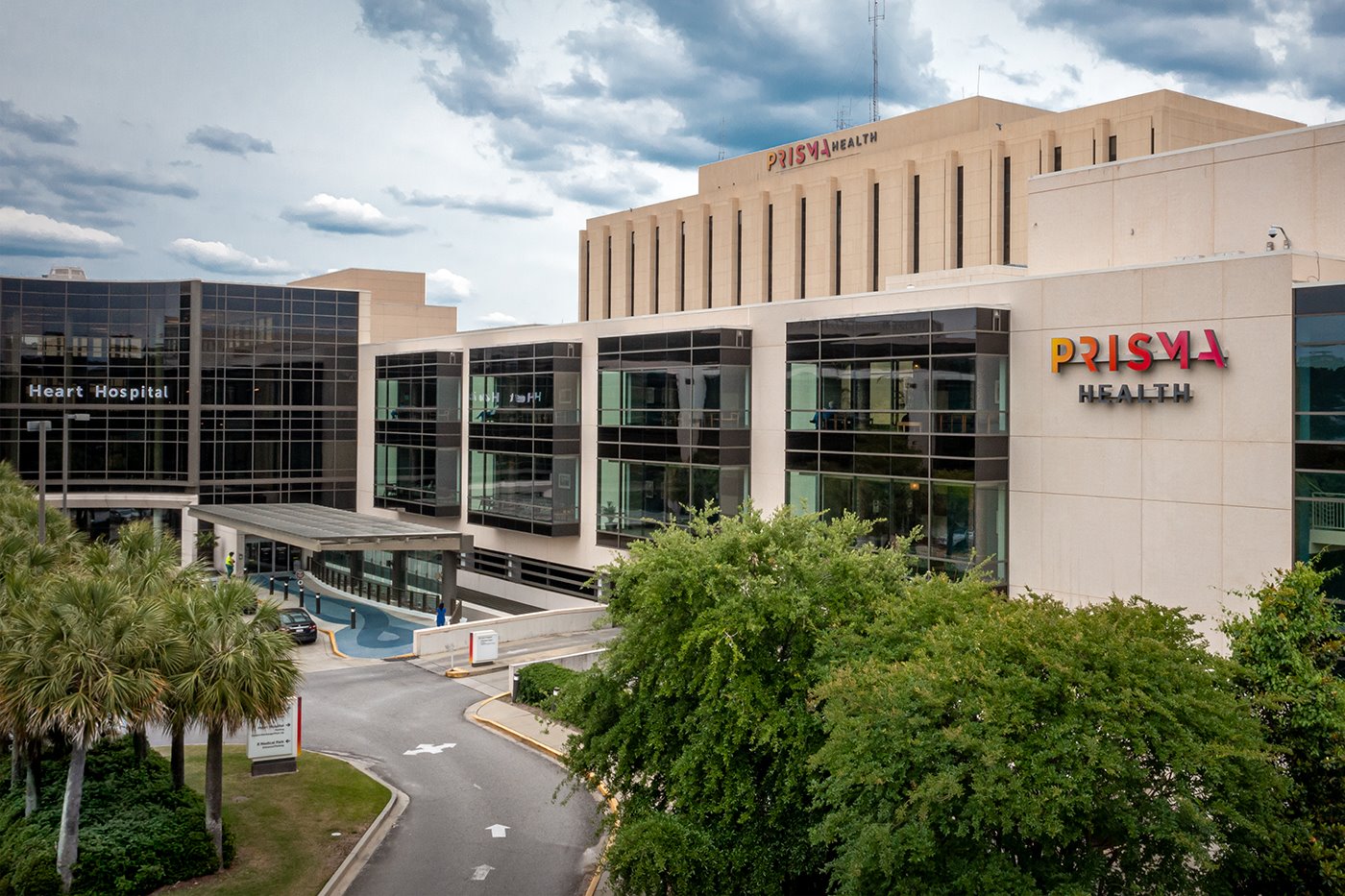
Prisma Health Richland Hospital
Downtown Columbia / 37+ active studies
Cancer, blood disorders, broad hospital research
The flagship Prisma Health hospital in the Midlands. Also, by far the biggest trial operation in the Columbia metro.
Visit Website →
University of South Carolina
Columbia / 27+ active studies
Stroke recovery, physical activity, community health
Notably, a research university that runs federally funded health studies across the Midlands. Specifically, topics range from stroke rehab to disease prevention.
Visit Website →
Bogan Sleep Consultants
Columbia / 7+ active studies
Narcolepsy, sleep disorders
One of the best known private sleep research sites in the Southeast. Also, it has run sleep trials for decades.
Prisma Health Midlands Cardiovascular
Columbia / 4+ active studies
Cardiovascular disease, heart failure
The heart and vessel research arm of Prisma Health in the Midlands. So it is the natural home for cholesterol trials in Columbia.
Visit Website →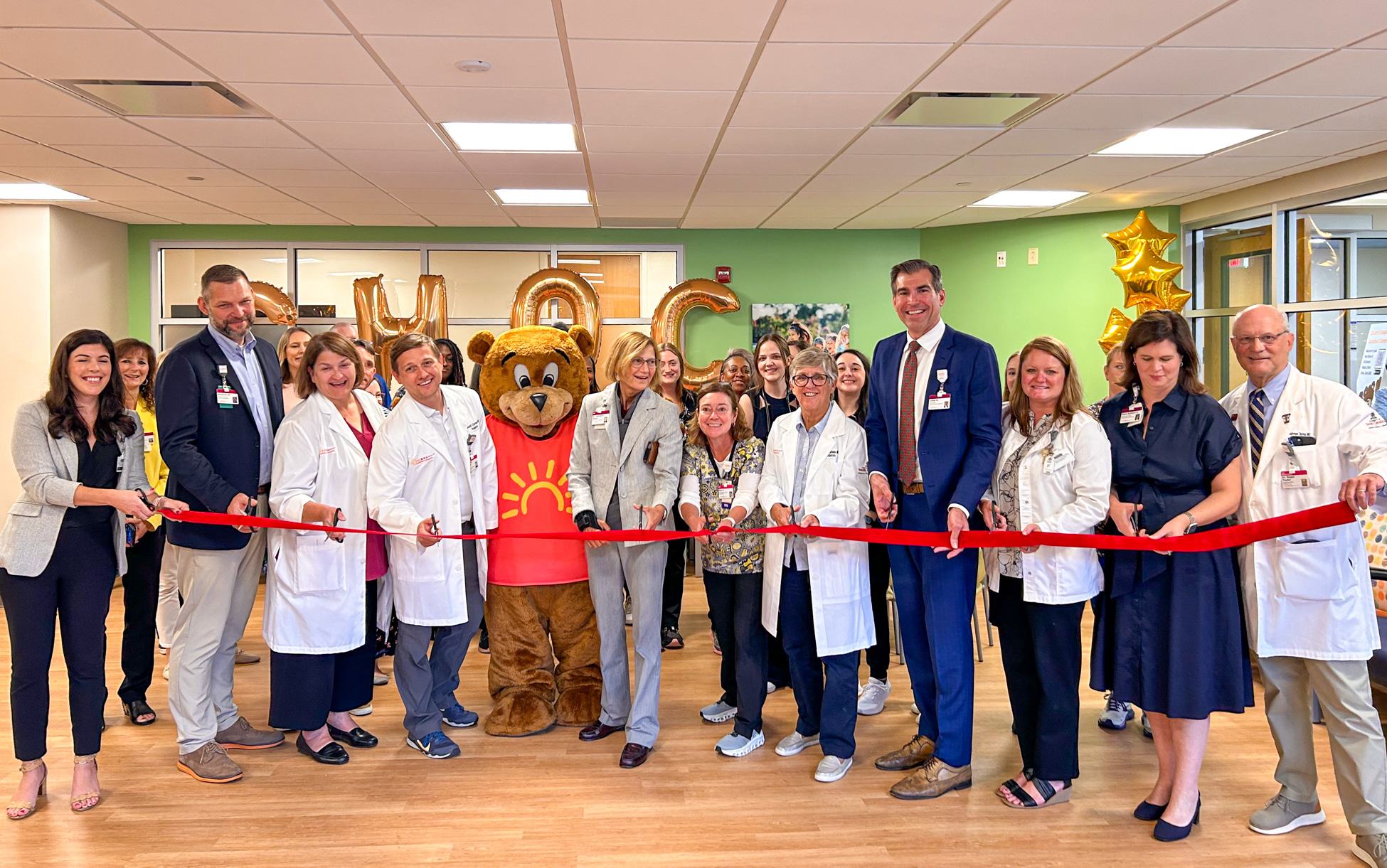
Prisma Health Children’s Hospital, Midlands
Columbia / 4+ active studies
Pediatric growth, cystic fibrosis
Basically, the Midlands hub for children’s research inside the Prisma Health system.
Visit Website →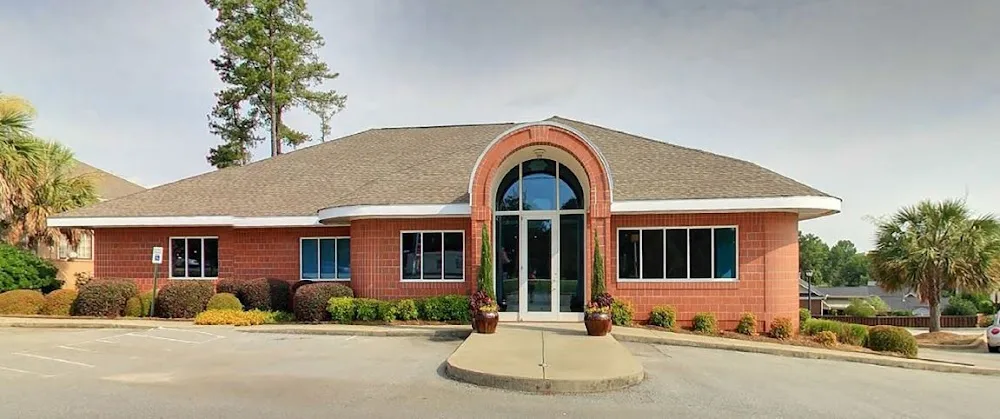
Columbia Dermatology & Aesthetics
Columbia / 4+ active studies
Hidradenitis suppurativa, psoriasis, obesity
A skin care practice with its own research team. It runs both skin and weight studies.
Velocity Clinical Research, Columbia
Columbia / Multiple active studies
COPD, skin conditions, vaccines
Part of one of the biggest research site networks in the country. Besides, it is just the kind of site the huge outcome trials lean on.
Visit Website →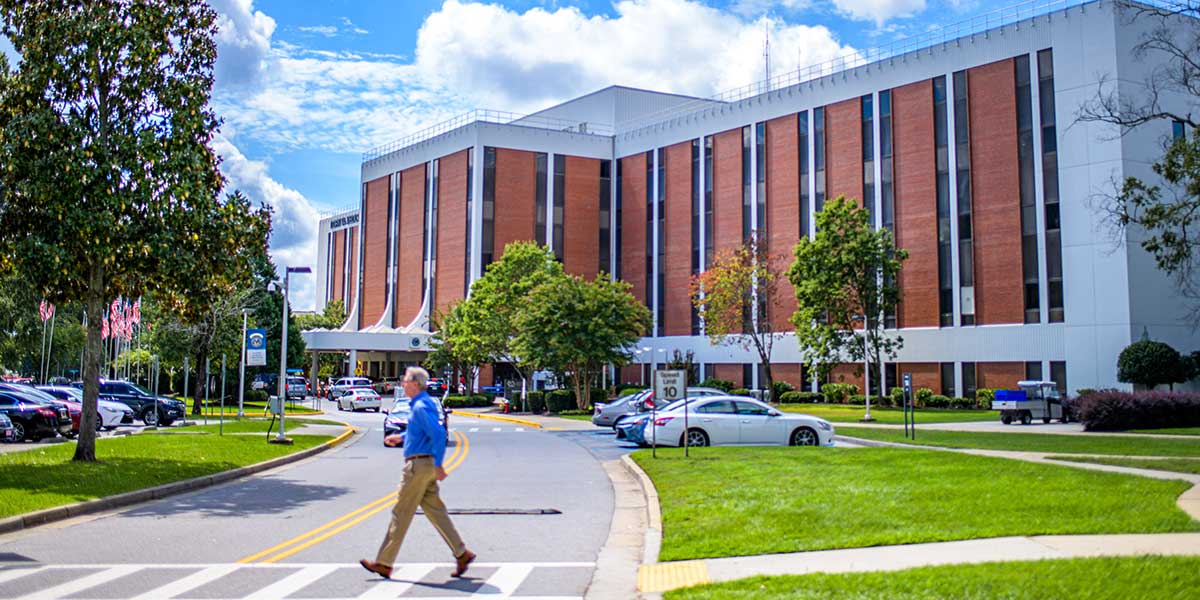
Wm. Jennings Bryan Dorn VA Medical Center
Garners Ferry Road, Columbia / 2+ active studies
Atherosclerosis, liver disease
Columbia’s VA medical center runs studies, including ones on clogged arteries. For veterans, it is often the first door.
Visit Website →
Objective Health, Columbia
Columbia / 2+ active studies
Celiac disease, fatty liver disease
Once called Columbia Digestive Health Research. Now it is part of the Objective Health network. Specifically, it runs gut and liver studies, including fatty liver trials.

Columbia Gastroenterology Associates
Columbia / Active studies
Digestive conditions
A long-running gut health practice. Also, it takes part in digestive trials around Columbia.
What to Expect in an Atrial Fibrillation Study
New to studies? Here is how one works, step by step.
01
Prescreening
First comes a short phone call or online form. Also, it takes about 10 to 15 minutes. The staff check whether you might fit. Then they tell you what is open.
02
Screening Visit
Next the clinic runs the tests that decide it, which usually means blood work. Also, they go through the consent form line by line, and you can bring somebody with you.
03
Treatment Period
Then the study begins. So you take the study drug or the placebo on the agreed schedule. Meanwhile, your own doctor keeps managing everything else.
04
Follow-Up
Finally, there is a check in period at the end. Also, your own doctor gets the results, and you can stop at any point without affecting your care.
Atrial Fibrillation Trial FAQs
Real answers about AFib studies near Columbia SC.
Are there atrial fibrillation studies in Columbia itself?
Yes, all three of them. Specifically, the implant study runs at both Prisma Health and Lexington Medical Center. Also, two more run at MUSC Health here in Columbia. So there is no drive to Charlotte or Charleston involved.
Will I have to stop my blood thinner?
No, and in most of these you keep taking exactly what you take now. One study is only for people whose doctor already ruled blood thinners out. Another gives everybody a real medicine, either apixaban or aspirin. Also, the smartwatch study changes when you take it rather than whether you take it.
What is the pouch everybody talks about?
It is the left atrial appendage, a small pocket off the top chamber of the heart. Blood moves slowly in it during this rhythm, so that is where clots tend to form. Sealing it with a small implant is now an approved way to lower stroke risk. Notably, several studies here are about that procedure rather than about medicine.
Is there a placebo?
It depends which. The monthly shot study does use a dummy shot, but only in people already ruled out for blood thinners. However, the brain bleed study has no dummy at all, because everybody gets a real medicine. Also, the device studies have no fake procedure. So most of these involve no dummy treatment of any kind.
Do I need insurance?
No. None of these require insurance. The study medicine, procedures and visits are provided at no cost. Also, you keep your own cardiologist throughout, and results are sent back to them. You would always call the clinic yourself.
What if my rhythm only comes and goes?
That is exactly who one of these studies wants. The smartwatch study takes people whose rhythm is not permanent, and it is testing whether daily blood thinners are really needed. However, it rules out anyone who has already had a stroke or mini stroke. So read that card carefully before you call.
What does the implant actually do?
Basically, it seals off a small pouch in the heart where clots tend to form. Then with the pouch sealed, there is nowhere for those clots to start. So the goal is getting off long term blood thinners. Notably, everybody in that study gets a real working device, because the coin flip only decides which brand.
Where can I get heart rhythm care near Columbia SC?
Generally, Prisma Health, Lexington Medical Center and MUSC Health all run heart care here. Also, ask specifically for an electrophysiologist, because that is the rhythm specialist. Also, your primary care doctor can refer you. Meanwhile, ask what your stroke risk score is, because that number decides most of your options.
Ready to Explore a Study?
Check your eligibility, or just reach out to our Columbia team. No pressure. Also, no sales pitch.
← Back to All Clinical TrialsSources
- LILAC-TIMI 76 abelacimab study, ClinicalTrials.gov NCT05712200
- ASPIRE anticoagulation after brain hemorrhage, ClinicalTrials.gov NCT03907046
- Cardiac CT versus TEE after left atrial appendage closure, ClinicalTrials.gov NCT06523166
- REACT-AF smartwatch guided anticoagulation, ClinicalTrials.gov NCT05836987
- CONFORM CLAAS pivotal trial, ClinicalTrials.gov NCT05147792
- SAFE HV high volume implant day study, ClinicalTrials.gov NCT06436924
- Brigham and Women’s Hospital: factor XI inhibitor safety, with comment from Christian Ruff, MD
- Northwestern University: wearables and stroke prevention, with comment from Rod Passman, MD
Study details and per-site recruiting status verified against ClinicalTrials.gov on August 15, 2026. Study availability and criteria change; the research clinic confirms everything before you enroll.