COLUMBIA, SC
PCOS Clinical Trials
No PCOS study is enrolling in Columbia yet, and none is open anywhere in the Carolinas. We would rather say that plainly than pad the page. Four studies are running elsewhere in the country, and we track them. Compensation is provided for eligible participants once one opens here.
0
In the Carolinas
4
Running Nationwide
+/- $100
Per Visit
New here? Read how this page works
Here is the honest picture. No PCOS study is open in Columbia, or anywhere in North or South Carolina. However, the field is moving quickly and the condition was just renamed. So here is how to use this page.
- Read the four studies below. Notably, none is in the Carolinas, and we say so on every card.
- Open More details on each. Inside are the exact rules, so you can see for yourself where you stand.
- Read the section on what is changing. In fact, the condition now has a new name, and that matters for searching.
- Finally, put your name in. Because that is how we know to call you the day a study opens near Columbia.
Of course, checking never signs you up for anything. You are only seeing where you might fit.
PCOS Studies Running Right Now, and Where They Are
All four are a flight away. So we list them with the rules in plain sight, rather than pretending they are options.
What exists right now, and where
None of these is in the Carolinas. However, they cover the three real fronts in PCOS research, so they show you what is coming rather than what you can join today.

Can a Weight Loss Shot Bring Periods Back? (RESTORE)
University of Colorado with the NIH / Drug
Everybody in this study gets semaglutide, the medicine sold as Wegovy and Ozempic, for 10 months. Researchers want to see whether periods and ovulation come back in people whose PCOS stopped them.
Payment is not published. However, nobody gets a dummy drug.
Get on the list →More details
Why researchers are excited: it goes after weight and insulin at once, and early signs suggest ovulation can return after years without it.
Who this study is looking for
- Female, ages 12 to 35
- Also, irregular or absent periods, with PCOS confirmed by strict rules
- Besides that, A BMI of 30 or higher if you are 18 to 35, or in the top range for your age if younger
- Finally, not very active, meaning under 2 hours of moderate exercise a week
Probably not a fit if: you have diabetes, or you want to get pregnant in the next 12 to 18 months, or anybody in your family has had medullary thyroid cancer.
- Placebo group: None at all. Everybody gets the real drug. Instead, you are watched for 4 months first, and that is your own comparison.
- How long: About 14 months, so 4 months of watching then 10 months of drug.
- Clinic visits: At least 4 anchor visits, but the full schedule is not published. Also, ovulation is tracked by daily urine samples you collect at home rather than at the clinic.
- Phone calls: Not published on the public record.
- Most invasive part: A glucose drink test with repeated blood draws, plus an ovary scan.
- Setting: Outpatient.
- Where it runs: University of Colorado Anschutz, Aurora CO 80045.
- Read this first: this is a study about ovulation, but it is not fertility treatment. So you must avoid pregnancy the whole time, and you cannot use hormonal birth control either.
- Full study record: View on ClinicalTrials.gov →

Blocking the Hormone That May Be Hurting the Liver
University of California San Francisco / Drug
Bicalutamide is a pill that blocks the male type hormones that run high in PCOS. This asks whether blocking them for 6 months reduces fat and scarring in the liver.
Payment is not published. Notably, it runs at a single site in California.
Get on the list →More details
Why researchers are excited: it tests a new idea, that the high hormones of PCOS are actively driving liver damage rather than just sitting alongside it.
Who this study is looking for
- Women aged 18 to 42
- Also, PCOS of the high hormone type
- Besides that, fatty liver with inflammation, shown on a biopsy, a scan or raised liver enzymes
- Finally, willing to take a daily pill for 6 months and come monthly
Probably not a fit if: you drink more than two alcoholic drinks a day, or you have another liver disease, or you might become pregnant.
- Placebo group: Yes, half get a dummy pill for the full 6 months, and neither you nor your doctor knows which.
- How long: 6 months of treatment, then a phone call.
- Clinic visits: 7 or 8 in person plus 1 phone call, and the record says so plainly. Visits fall at months 1 through 6, with a screening and a baseline visit before that.
- Phone calls: Yes, one phone follow up within a month of finishing.
- Most invasive part: A liver biopsy, meaning a needle into the liver. However, the repeat biopsy at the end is not required.
- Setting: Outpatient.
- Where it runs: University of California San Francisco, San Francisco CA 94143.
- Worth knowing: you must already have fatty liver disease to qualify, which rules out most people who ask. So this is a narrow door.
- Full study record: View on ClinicalTrials.gov →

A Cheap Fibre Alongside the Birth Control Pill
University of Pennsylvania / Supplement
Everybody takes the standard PCOS treatment, which is the birth control pill. On top of that, half get a fibre supplement and half get a dummy powder, for 12 weeks.
Payment is not published. However, this is the lightest study on the page.
Get on the list →More details
Why researchers are excited: the pill controls symptoms but can push cholesterol and blood sugar the wrong way, and this asks whether fibre cancels that out.
Who this study is looking for
- Women aged 18 to 40
- Also, A BMI between 25 and 48
- Besides that, PCOS of the high hormone type, with 8 or fewer periods a year
- Finally, willing to avoid pregnancy for the whole study
Probably not a fit if: you already eat more than 20 grams of fibre a day, or you took antibiotics in the last 3 months, or you cannot safely take the birth control pill.
- Placebo group: Yes, but only on the powder. Everybody gets the real birth control pill, and the blinded part is fibre against a dummy powder.
- How long: 12 weeks on the powder, after a lead in period of unstated length.
- Clinic visits: At least 3, at screening, randomisation and 12 weeks. However, the lead in length is not published, so the real number is higher.
- Phone calls: Not published on the public record.
- Most invasive part: An ovary scan and blood draws, plus a stool sample for the gut bacteria work. So nothing invasive.
- Setting: Outpatient.
- Where it runs: University of Pennsylvania, Philadelphia PA 19104.
- Two quiet screen outs: a high fibre diet already rules you out, and so do antibiotics in the last 3 months.
- Full study record: View on ClinicalTrials.gov →

Switching On the Fat That Burns Energy
National Institutes of Health / Drug
Mirabegron is a pill normally used for an overactive bladder, and it switches on brown fat, which is the kind of fat that burns energy to make heat. This asks whether that improves insulin resistance.
Payment is not published. Notably, the NIH covers travel for many of its studies, so ask.
Get on the list →More details
Why researchers are excited: if brown fat helps insulin resistance, it would be a whole different way to treat the metabolic side of PCOS.
Who this study is looking for
- Women aged 18 to 40
- Also, PCOS with high hormones and irregular or absent ovulation
- Besides that, insulin resistance proven on blood tests
- Finally, A BMI of 25 to 50, and willing to use reliable birth control
Probably not a fit if: you have diabetes, or high blood pressure, or any bladder trouble, or you have had a CT or PET scan in the past year.
- Placebo group: You take both. Each person takes the real drug for 4 weeks and a placebo for 4 weeks, and is compared against herself.
- How long: About 4 weeks per period, so roughly double that in total.
- Clinic visits: About 9 or 10 across both periods, and two of them are overnight stays.
- Phone calls: Not published on the public record.
- Most invasive part: The heaviest here. A scan using an injected radioactive tracer, drip lines in both arms for hours, and an optional fat biopsy.
- Setting: Outpatient.
- Where it runs: NIH Clinical Center, Bethesda MD 20892.
- Worth knowing: only the PCOS group is still enrolling. Also, you sit in a chilled room wearing a cooling vest, and not tolerating cold rules you out.
- Full study record: View on ClinicalTrials.gov →
Not sure which one fits you?
First, answer a few quick health questions. Then we keep your answers on file. Finally, we call you when a PCOS study opens near Columbia. No account, no paperwork.
See if I may fit one of these studies →What Is Actually Changing in PCOS Research
Including the name itself.
The Condition Was Renamed in May 2026
After a decade long global consensus process, PCOS is now formally called PMOS, which stands for polyendocrine metabolic ovarian syndrome. The change was published in The Lancet on 12 May 2026 and backed by the Endocrine Society. So both names refer to the same condition, and you will see both for years. Notably, 86 percent of patients surveyed supported the new name.
Why the Old Name Had to Go
The cysts were never really cysts. They are follicles that stalled, which is not the same thing. More importantly, the old name pointed at the ovaries and hid the part that does the long term damage. As Helena Teede of Monash University, who led the renaming, put it, the process was intended to be very definitive. In fact, she added that unless the science changes dramatically, the name would not be expected to change again.
It Is a Whole Body Condition
The ovaries make more male type hormones than usual, ovulation becomes irregular or stops, and most people with it also have insulin resistance. That means the body has to make extra insulin just to keep blood sugar normal. So the heart and metabolic risk is the more serious part, and that is exactly what the new name puts in front.
Diagnosis Takes Years, and That Is Not Your Fault
In an Endocrine Society survey of 1,385 women, about half saw three or more healthcare providers before getting a diagnosis, and for roughly a third the process took more than two years. Two in three were unhappy with how long it took. However, there is a structural reason. The condition sits in the gap between gynaecology, hormone medicine and skin medicine, so no single specialty owns it.
Current Treatment Manages Symptoms One at a Time
The birth control pill regulates cycles and lowers hormones, but it does nothing for fertility. Metformin helps insulin resistance a little. Letrozole triggers ovulation when pregnancy is the goal. Also, spironolactone reduces excess hair growth. But none of them treats the underlying condition, and each one handles a single symptom.
Where the Real Movement Is
The GLP-1 medicines are being properly tested for PCOS rather than just borrowed for weight loss, with trials measuring whether ovulation actually returns. That is the front with the most late stage research. As Melanie Cree of the University of Colorado has said of the teenagers she treats, they are 18 times more likely to develop type 2 diabetes early. So the metabolic stakes here are not theoretical.
Research Sites Near Columbia
None of them runs a PCOS study today. But sites add new studies all the time. So it is worth knowing what sits near you.
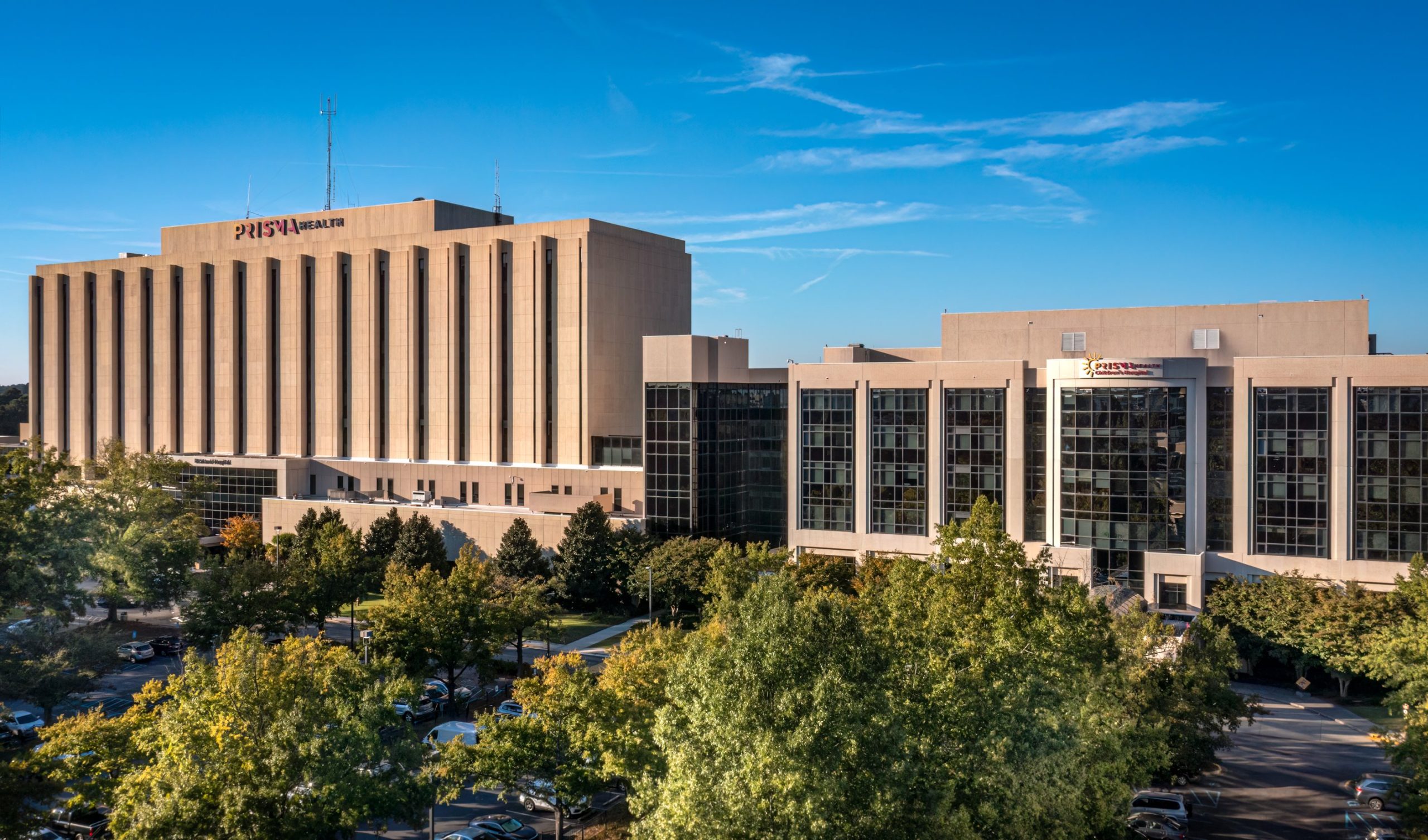
Prisma Health Richland Hospital
Downtown Columbia / 37+ active studies
Cancer, blood disorders, broad hospital research
The flagship Prisma Health hospital in the Midlands. Also, by far the biggest trial operation in the Columbia metro.
Visit Website →
University of South Carolina
Columbia / 27+ active studies
Stroke recovery, physical activity, community health
Notably, a research university that runs federally funded health studies across the Midlands. Specifically, topics range from stroke rehab to disease prevention.
Visit Website →
Bogan Sleep Consultants
Columbia / 7+ active studies
Narcolepsy, sleep disorders
One of the best known private sleep research sites in the Southeast. Also, it has run sleep trials for decades.
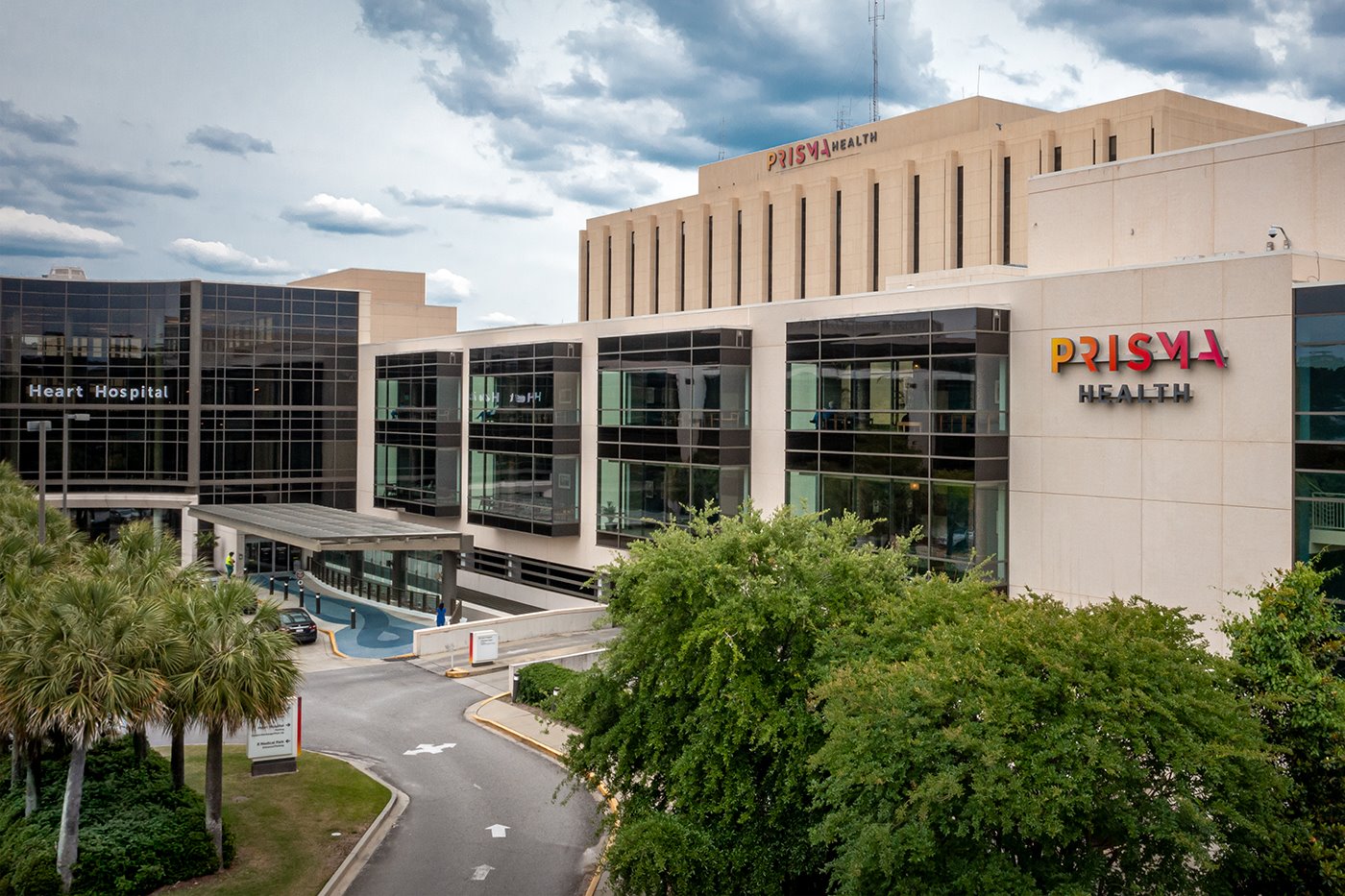
Prisma Health Midlands Cardiovascular
Columbia / 4+ active studies
Cardiovascular disease, heart failure
The heart and vessel research arm of Prisma Health in the Midlands. So it is the natural home for cholesterol trials in Columbia.
Visit Website →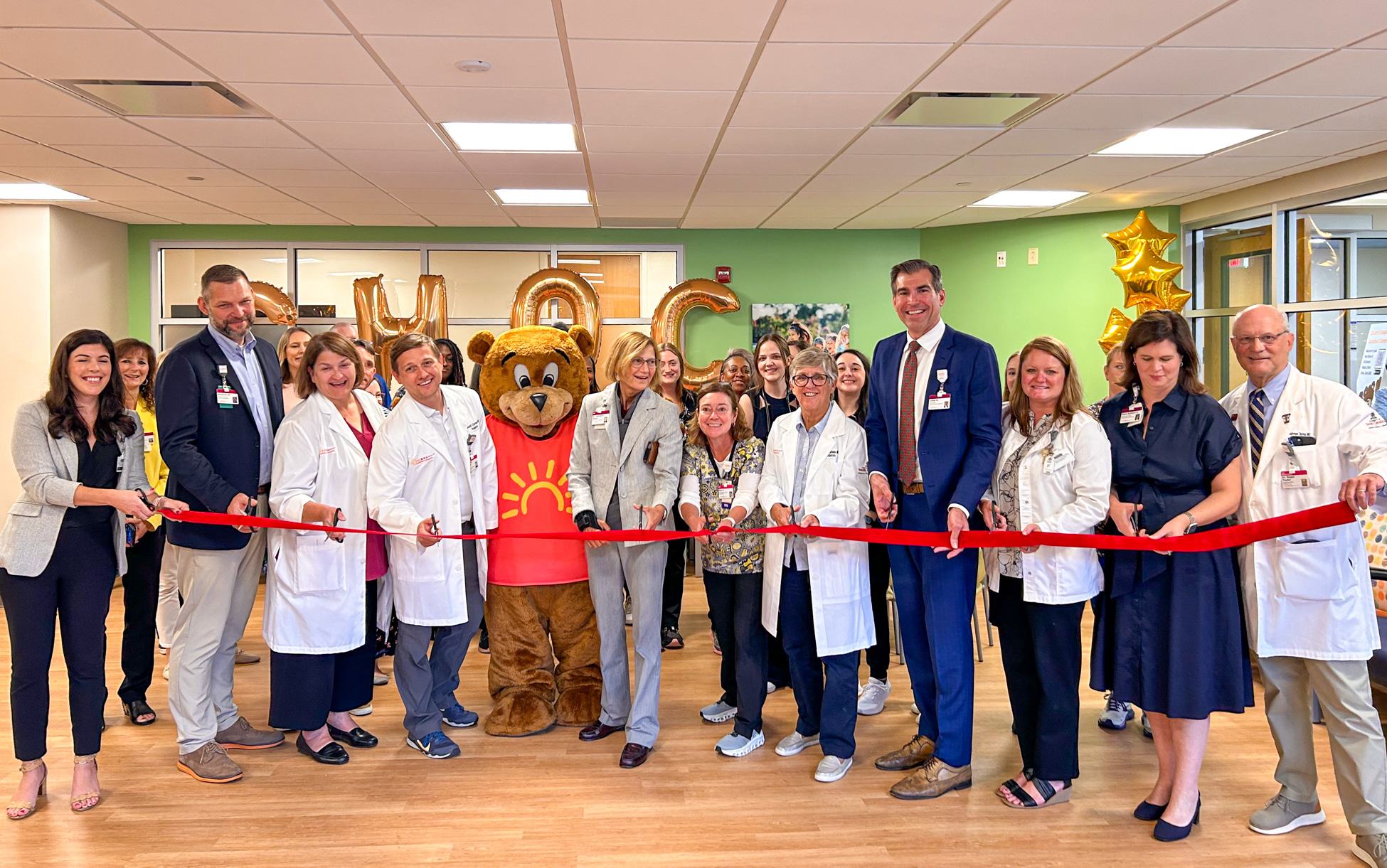
Prisma Health Children’s Hospital, Midlands
Columbia / 4+ active studies
Pediatric growth, cystic fibrosis
Basically, the Midlands hub for children’s research inside the Prisma Health system.
Visit Website →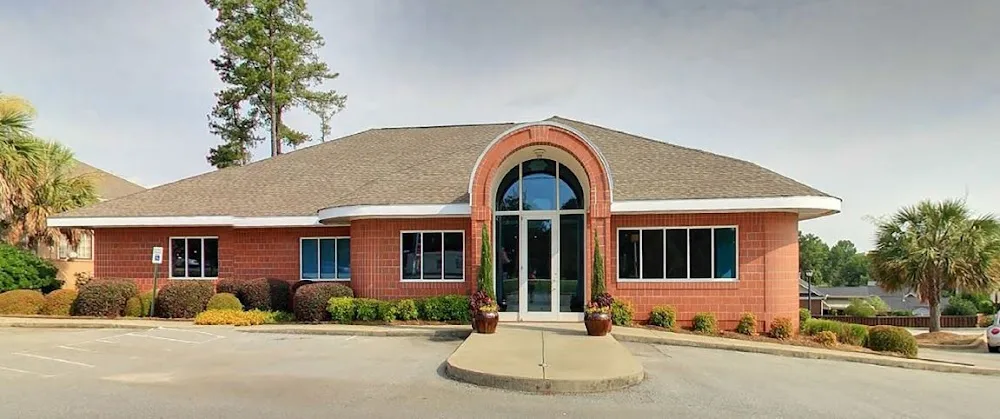
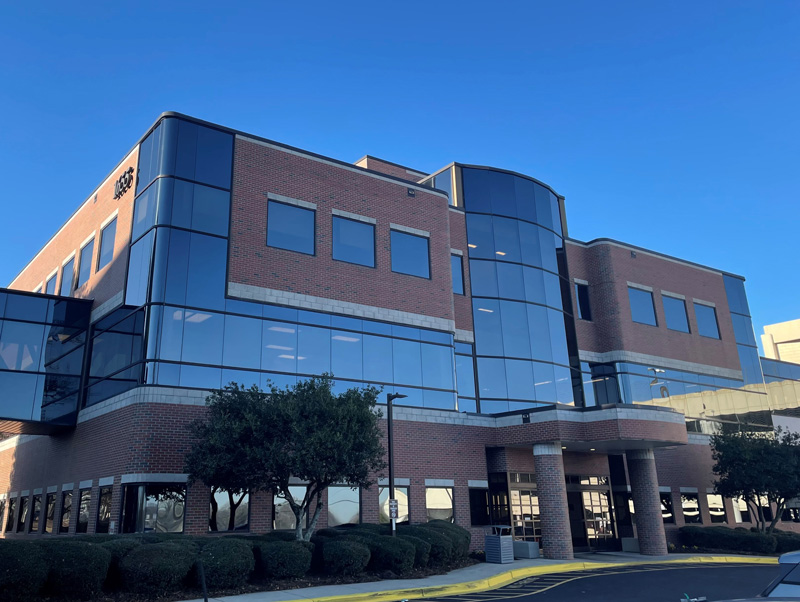
Columbia Dermatology & Aesthetics
Columbia / 4+ active studies
Hidradenitis suppurativa, psoriasis, obesity
A skin care practice with its own research team. It runs both skin and weight studies.
Velocity Clinical Research, Columbia
Columbia / Multiple active studies
COPD, skin conditions, vaccines
Part of one of the biggest research site networks in the country. Besides, it is just the kind of site the huge outcome trials lean on.
Visit Website →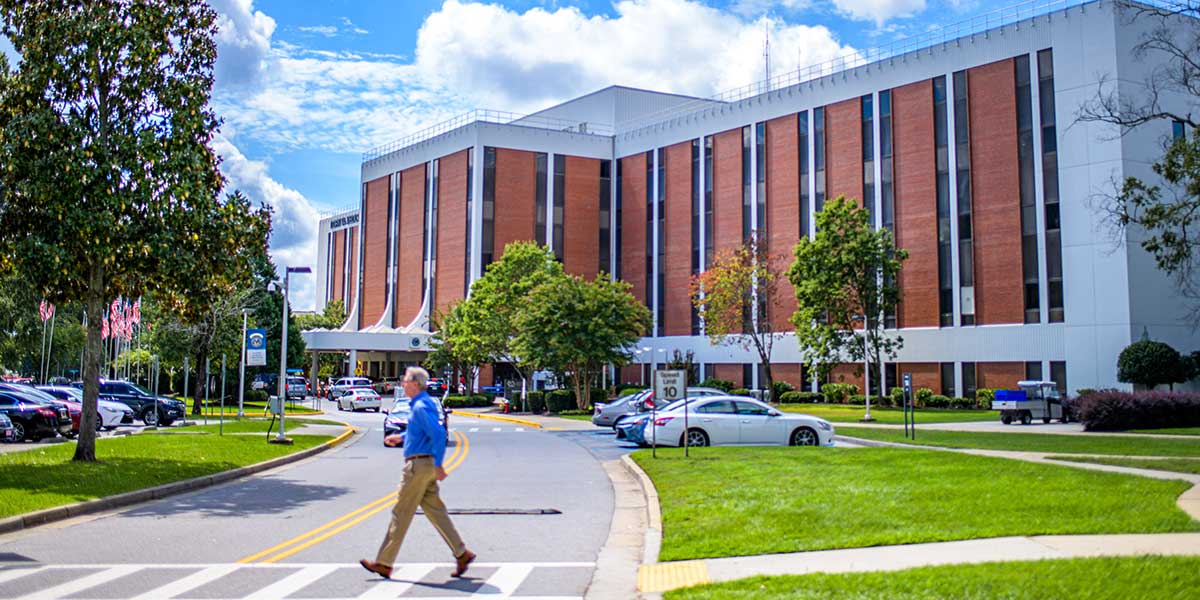
Wm. Jennings Bryan Dorn VA Medical Center
Garners Ferry Road, Columbia / 2+ active studies
Atherosclerosis, liver disease
Columbia’s VA medical center runs studies, including ones on clogged arteries. For veterans, it is often the first door.
Visit Website →
Objective Health, Columbia
Columbia / 2+ active studies
Celiac disease, fatty liver disease
Once called Columbia Digestive Health Research. Now it is part of the Objective Health network. Specifically, it runs gut and liver studies, including fatty liver trials.
Columbia Gastroenterology Associates
Columbia / Active studies
Digestive conditions
A long-running gut health practice. Also, it takes part in digestive trials around Columbia.
What to Expect in a PCOS Study
New to studies? Here is how one works, step by step.
01
Prescreening
First comes a short phone call or online form. Also, it takes about 10 to 15 minutes. The staff check whether you might fit. Then they tell you what is open.
02
Screening Visit
Next the clinic runs the tests that decide it, which usually means blood work. Also, they go through the consent form line by line, and you can bring somebody with you.
03
Treatment Period
Then the study begins. So you take the study drug or the placebo on the agreed schedule. Meanwhile, your own doctor keeps managing everything else.
04
Follow-Up
Finally, there is a check in period at the end. Also, your own doctor gets the results, and you can stop at any point without affecting your care.
PCOS Trial FAQs
Real answers about PCOS and PMOS studies near Columbia SC.
Is there a PCOS study in Columbia right now?
No, and there is none anywhere in North or South Carolina. We checked every US site of every recruiting PCOS trial one by one rather than trusting a search filter. Also, Duke, UNC, Wake Forest and MUSC have nothing open either. So the honest answer is that the nearest study is a flight away.
Why is PCOS now called PMOS?
A global consensus process that ran for a decade renamed it in May 2026. PMOS stands for polyendocrine metabolic ovarian syndrome, and the change was published in The Lancet. The old name pointed at the ovaries and hid the metabolic and heart risk, which is the more serious part. Also, the cysts were never really cysts, because they are follicles that stalled.
Should I search for PCOS or PMOS?
Both, for the next several years. Most clinics, insurers and study records still say PCOS, so that is what you will find on paper. However, newer research and guidelines are moving to PMOS. So use whichever gets you results, because they mean the same condition.
Why did my diagnosis take so long?
Because that is the normal experience, not a failure on your part. In an Endocrine Society survey of 1,385 women, about half saw three or more providers before getting a diagnosis. For roughly a third it took more than two years, and two in three were unhappy with how long it took. In short, the condition sits in a gap between specialties and nobody owns it.
Do the weight loss shots help PCOS?
That is exactly what the largest study on this page is testing. Everybody in it gets semaglutide, and researchers are watching whether periods and ovulation return. So there is no dummy drug in that one at all. However, it runs in Colorado, and results are not in yet.
Is PCOS just about weight?
No, and that framing causes real harm. Plenty of people with PCOS are not overweight, and the hormone and insulin problems come first. Also, being told to lose weight is often the only advice people get for years. Meanwhile, the new name exists partly to push back on that.
Can I join a study if I want to get pregnant?
Usually not, and this surprises people. The ovulation study requires you to avoid pregnancy for the whole time, and it does not allow hormonal birth control either. Two of the others also require reliable birth control. So a study about ovulation is not the same thing as fertility treatment.
Does it cost anything to be on the list?
No. There is no cost, and no insurance is needed. Tether is a nonprofit list, so we do not run studies and we are not paid to send you. Also, being on the list never enrolls you in anything. You would always call the clinic yourself.
How long until a study opens near Columbia?
We cannot promise a date, and we will not guess at one. However, sites in this region have run PCOS studies before, so it is not new ground here. Meanwhile, the GLP-1 results and the rename have both pulled attention back to the condition. In short, it is a question of when rather than if.
Where can I get PCOS care near Columbia SC?
Prisma Health runs gynaecology and hormone clinics across the Midlands. Also, ask for a hormone specialist rather than general care, because that is where the metabolic side gets managed. Your primary care doctor can refer you. Meanwhile, ask for a fasting insulin and an A1C, because the metabolic part is what the new name is about.
Ready to Explore a Study?
Get on the list, or just reach out to our Columbia team. No pressure. Also, no sales pitch.
← Back to All Clinical TrialsSources
- RESTORE semaglutide and ovulation study, ClinicalTrials.gov NCT05819853
- Bicalutamide in PCOS with fatty liver, ClinicalTrials.gov NCT05979389
- COR-PCOS resistant starch study, ClinicalTrials.gov NCT06852365
- Mirabegron and brown fat study, ClinicalTrials.gov NCT03049462
- The Lancet: polyendocrine metabolic ovarian syndrome, the new name for polycystic ovary syndrome
- Endocrine Society: new name to improve diagnosis and care
- STAT: the renaming process lasted a decade, with comment from Helena Teede
- Endocrine Society: survey of 1,385 women on how long diagnosis takes
- University of Colorado: semaglutide in PMOS, with comment from Melanie Cree, MD, PhD
Study details and per-site recruiting status verified against ClinicalTrials.gov on August 15, 2026. On that date no PCOS study was enrolling anywhere in North or South Carolina. Study availability and criteria change; the research clinic confirms everything before you enroll.