
COLUMBIA, SC
Prediabetes and Metabolic Syndrome Clinical Trials
One prediabetes study is enrolling in Columbia SC, and it is open to Veterans only. So for most people the honest answer is that nothing is open here yet. The nearest study open to everybody is in Charleston. Compensation is provided for eligible participants.
1
In Columbia, Veterans Only
115
Miles to the Nearest Other
+/- $100
Per Visit
New here? Read how this page works
Here is the honest picture. One prediabetes study runs in Columbia and it takes Veterans only. However, there is a second option about two hours away that barely asks for visits. So here is how to sort them.
- Did you serve? Because the study here at the Dorn VA is open to Veterans only, and it also needs proven artery disease.
- Then check your age. Notably, the Charleston study wants men over 55 and women over 65, which catches people out.
- Weigh the drive honestly. In fact, that study is about one in person visit across three and a half years, so it is lighter than it looks.
- Finally, put your name in. Because that is how we know to call you the day a study opens in Columbia for everybody.
Of course, checking never signs you up for anything. You are only seeing where you might fit.
Prediabetes Studies Nearest to Columbia Right Now
One is right here but Veterans only. Meanwhile, the nearest study open to everybody is about two hours away.
Enrolling in Columbia now, for Veterans
This runs at the Dorn VA on Garners Ferry Road. However, it takes Veterans only, and you also need proven artery disease.

An Old Cheap Pill, Tested Before Diabetes Starts
US Department of Veterans Affairs / Drug
Metformin is a cheap diabetes pill that has been used for decades. This tests whether taking it during prediabetes, when you already have artery disease, prevents heart attacks and strokes.
Est. about $100 per visit. Ask the site for the total number of visits.
See if you fit →More details
Why researchers are excited: if a generic pill this cheap prevents heart attacks, it would be one of the most scalable findings in years.
Who this study is looking for
- Prediabetes, with an A1C between 5.7 and 6.4
- Also, proven artery disease in the heart, the neck arteries or the legs
- Besides that, kidney function of 45 or above
- Finally, you are a Veteran able to consent
Probably not a fit if: you have taken metformin or another diabetes medicine in the last 12 months, or you have liver disease, or you have any history of memory trouble.
- Placebo group: Yes, half get an identical dummy pill. However, everybody gets lifestyle coaching and keeps their usual medicines.
- How long: About 4 and a half years on average.
- Clinic visits: Not published on the public record. Every published time point simply reads about 4.5 years. Still, the dose is raised gradually, so expect early visits for that.
- Phone calls: Not published on the public record.
- Most invasive part: Blood draws, and possibly a glucose drink test with timed draws.
- Setting: Outpatient.
- Where it runs: Wm. Jennings Bryan Dorn VA Medical Center, Columbia SC 29209.
- Read this first: Veterans only, and you also need proven artery disease alongside the prediabetes. So most people who read this page will not qualify.
- Full study record: View on ClinicalTrials.gov →
Open to everybody, but you would drive
Charleston is about two hours southeast. Notably, this study asks for about one in person visit across three and a half years.

A Heart Scan That Decides Your Treatment
Cleerly with CPC Clinical Research / Imaging strategy
A heart scan measures the plaque actually building in your arteries, then gives you a stage. This asks whether treating people on what the scan shows beats going by risk factors alone.
Payment is not published. However, there is only about one in person visit.
See if you fit →More details
Why researchers are excited: doctors now guess your heart risk from your age and your numbers, which both over treats and misses people.
Who this study is looking for
- Men over 55, or women over 65
- Also, prediabetes, or metabolic syndrome, or type 2 diabetes on medicine
- Besides that, no symptoms of heart disease and no known heart disease
- Finally, you own a phone, tablet or computer, because a central team manages your medicines remotely
Probably not a fit if: you have already had a heart attack, a stroke, a stent or a bypass, or your kidney function is under 60, or you weigh over 300 pounds, which is the scanner limit.
- Placebo group: None at all. Instead, everybody gets real care, and the coin flip only decides whether the scan guides it.
- How long: About 3 and a half years on average.
- Clinic visits: Roughly 1 or 2 in person, which is rare for a study this long. You can sign up online, and a central team handles your medicines by phone. So the scan is the main trip.
- Phone calls: Yes, and that is the point. Almost everything after the scan is done by phone.
- Most invasive part: A heart scan with a drip line and dye, plus a pill on the day to slow your heart. But no catheter goes in.
- Setting: Outpatient.
- Where it runs: Medical University of South Carolina, Charleston SC 29425.
- Drive from Columbia: Charleston is about 115 miles southeast, so roughly two hours on I-26.
- Read the ages twice: men must be over 55 but women must be over 65. So a 58 year old woman with textbook metabolic syndrome is not eligible.
- Full study record: View on ClinicalTrials.gov →
Worth knowing about
This one runs at a single site in California. We list it because the idea behind it is unusual, and it costs nothing to try.

Changing When You Eat, Not What You Eat (TIMET 2.0)
University of California San Diego with the Salk Institute / Behavioral
You do not change what you eat. You only change when, by fitting all food and drink into a set window each day. This checks whether a full year of that improves blood sugar, cholesterol and body fat.
Payment is not published. Notably, it runs at a single site in California.
Get on the list →More details
Why researchers are excited: the same team’s 3 month study cut A1C and cholesterol without cutting calories or losing muscle.
Who this study is looking for
- Adults 18 to 75 with an A1C between 5.7 and 7.0
- Also, metabolic syndrome, meaning at least 3 of five markers
- Besides that, you currently eat and drink across a window of 12 hours or more each day
- Finally, you own a smartphone and will log every food and drink in the study app
Probably not a fit if: you take insulin, or you work night or rotating shifts, or you have any history of an eating disorder.
- Placebo group: None at all. One group changes their eating window and the other does not. Also, everybody keeps their medicines.
- How long: About 54 weeks, so a little over a year.
- Clinic visits: Roughly 6 to 9, built around three check points at the start, 6 months and 12 months. Each one means a fitting and a removal visit two weeks later.
- Phone calls: Not published, but you log food in an app every day for a year.
- Most invasive part: A body scan and a glucose drink test with blood draws. Also, a small sensor sits under the skin of your arm.
- Setting: Outpatient.
- Where it runs: Altman Clinical and Translational Research Institute, La Jolla CA 92093.
- Worth knowing: your habits have to be loose enough to qualify. So if you already eat inside an 11 hour window, you are out, because there is nothing to shrink.
- Full study record: View on ClinicalTrials.gov →
Not sure which one fits you?
First, answer a few quick health questions. Then we keep your answers on file. Finally, we call you when a prediabetes study opens near Columbia. No account, no paperwork.
See if I may fit one of these studies →What Is Actually Being Tested for Prediabetes
The question has changed, and that is the interesting part.
Prediabetes and Metabolic Syndrome Are Not the Same Thing
Prediabetes is a number. An A1C of 5.7 to 6.4, a fasting glucose of 100 to 125, or a 2 hour glucose of 140 to 199. Metabolic syndrome is a cluster instead. You have it when three or more of these show up together. A large waist, high triglycerides, low HDL, high blood pressure and high fasting glucose. So you can have either one without the other, though plenty of people have both.
Most People Who Have It Do Not Know
The CDC puts it at 115.2 million American adults, which is more than two in five. Then comes the part that matters. Roughly 8 in 10 of them do not know they have it. That is not their fault, because prediabetes has no symptoms at all. In fact, the driver underneath is usually insulin resistance, which runs quietly for years before any number looks wrong.
The Old Question Has Been Answered
For decades the question was whether type 2 diabetes could be prevented at all. The Diabetes Prevention Program has now followed people for an average of 22 years, and the protection held. Lifestyle change cut diabetes risk by 25 percent and metformin cut it by 18. As David Nathan of Massachusetts General Hospital put it, prevention of type 2 diabetes is possible and has important clinical benefits.
The New Question Is Harder
Preventing a diagnosis is one thing. Preventing a heart attack is another. So the largest studies now running ask whether treating prediabetes actually prevents heart attacks, strokes and kidney failure. As Pam Taub of UC San Diego put it, metabolic syndrome paired with prediabetes is a tipping point where the risk of both diabetes and heart disease climbs sharply. Notably, that is the moment these studies try to catch.
Timing May Matter as Much as Content
One study here changes nothing about what you eat. It only changes when. The idea comes from body clock science, and Satchidananda Panda of the Salk Institute framed it plainly. Our bodies process sugars and fats differently depending on the time of day. So the study asks whether working with that daily rhythm helps, which would be a treatment with no drug in it at all.
Research Sites Near Columbia
The Dorn VA runs the one local study. But sites add new studies all the time, so it is worth knowing what else sits near you.
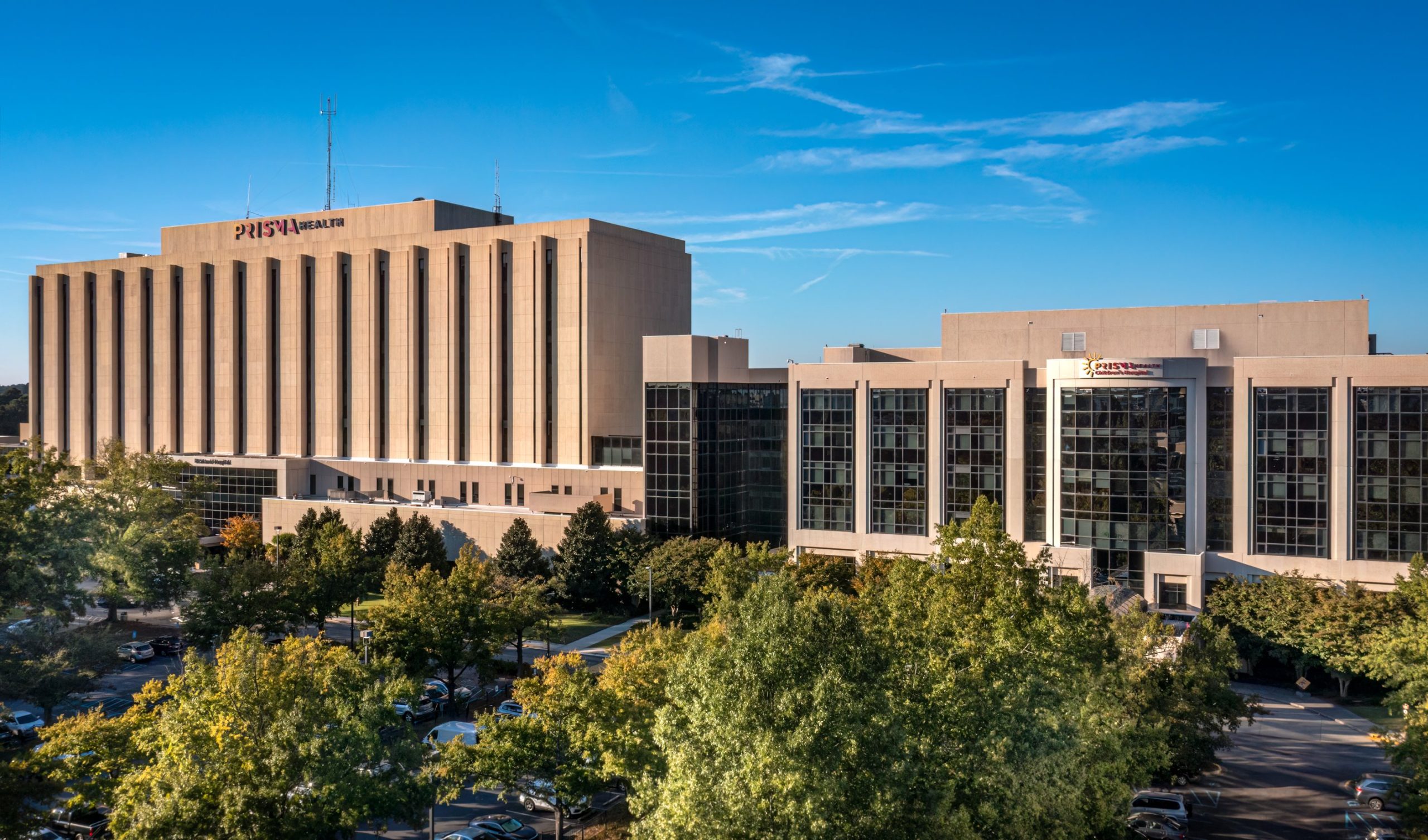
Prisma Health Richland Hospital
Downtown Columbia / 37+ active studies
Cancer, blood disorders, broad hospital research
The flagship Prisma Health hospital in the Midlands. Also, by far the biggest trial operation in the Columbia metro.
Visit Website →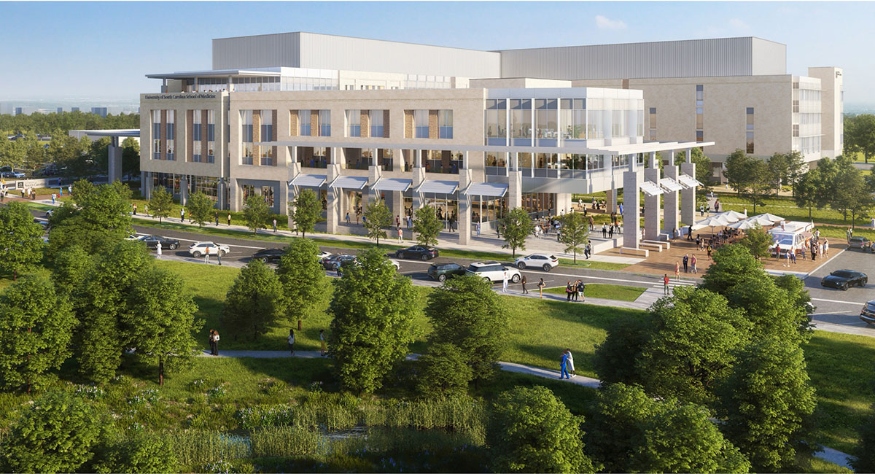
University of South Carolina
Columbia / 27+ active studies
Stroke recovery, physical activity, community health
Notably, a research university that runs federally funded health studies across the Midlands. Specifically, topics range from stroke rehab to disease prevention.
Visit Website →
Bogan Sleep Consultants
Columbia / 7+ active studies
Narcolepsy, sleep disorders
One of the best known private sleep research sites in the Southeast. Also, it has run sleep trials for decades.
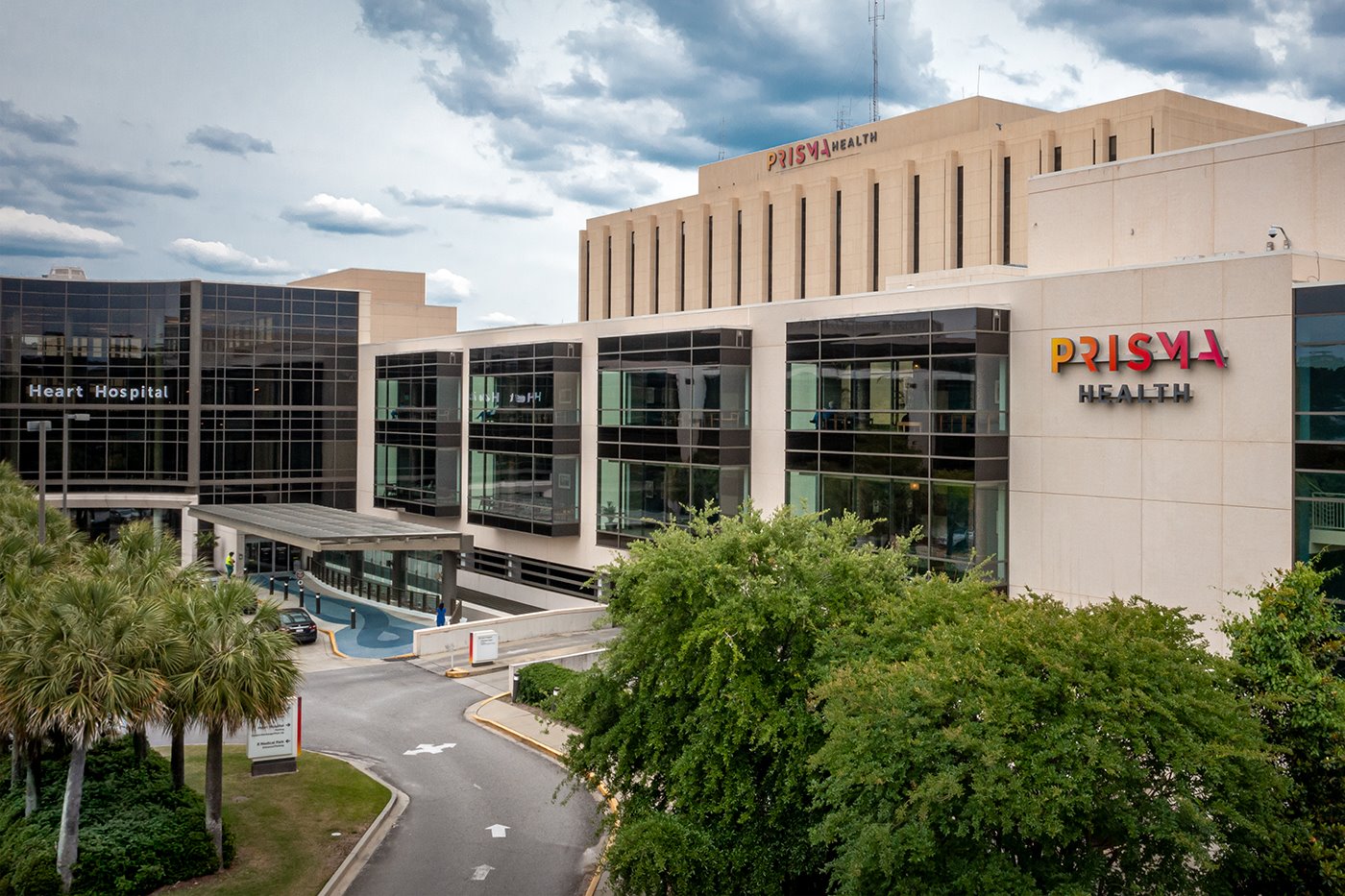
Prisma Health Midlands Cardiovascular
Columbia / 4+ active studies
Cardiovascular disease, heart failure
The heart and vessel research arm of Prisma Health in the Midlands. So it is the natural home for cholesterol trials in Columbia.
Visit Website →
Prisma Health Children’s Hospital, Midlands
Columbia / 4+ active studies
Pediatric growth, cystic fibrosis
Basically, the Midlands hub for children’s research inside the Prisma Health system.
Visit Website →
Columbia Dermatology & Aesthetics
Columbia / 4+ active studies
Hidradenitis suppurativa, psoriasis, obesity
A skin care practice with its own research team. It runs both skin and weight studies.
Velocity Clinical Research, Columbia
Columbia / Multiple active studies
COPD, skin conditions, vaccines
Part of one of the biggest research site networks in the country. Besides, it is just the kind of site the huge outcome trials lean on.
Visit Website →
Wm. Jennings Bryan Dorn VA Medical Center
Garners Ferry Road, Columbia / 2+ active studies
Atherosclerosis, liver disease
Columbia’s VA medical center runs studies, including ones on clogged arteries. For veterans, it is often the first door.
Visit Website →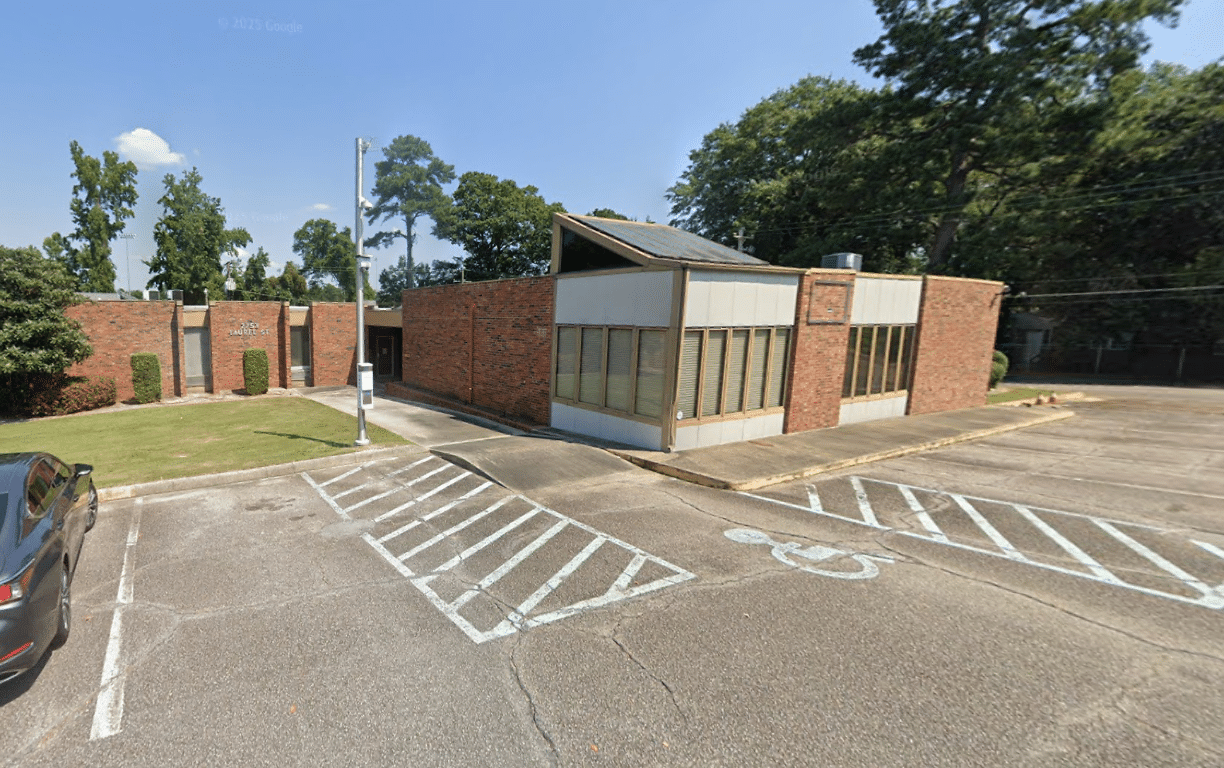
Objective Health, Columbia
Columbia / 2+ active studies
Celiac disease, fatty liver disease
Once called Columbia Digestive Health Research. Now it is part of the Objective Health network. Specifically, it runs gut and liver studies, including fatty liver trials.
Columbia Gastroenterology Associates
Columbia / Active studies
Digestive conditions
A long-running gut health practice. Also, it takes part in digestive trials around Columbia.
What to Expect in a Prediabetes Study
New to studies? Here is how one works, step by step.
01
Prescreening
First comes a short phone call or online form. Also, it takes about 10 to 15 minutes. The staff check whether you might fit. Then they tell you what is open.
02
Screening Visit
Next the clinic runs the tests that decide it, which usually means blood work. Also, they go through the consent form line by line, and you can bring somebody with you.
03
Treatment Period
Then the study begins. So you take the study drug or the placebo on the agreed schedule. Meanwhile, your own doctor keeps managing everything else.
04
Follow-Up
Finally, there is a check in period at the end. Also, your own doctor gets the results, and you can stop at any point without affecting your care.
Prediabetes Trial FAQs
Real answers about prediabetes and metabolic syndrome studies near Columbia SC.
Is there a prediabetes study in Columbia right now?
Yes, one, and it is open to Veterans only. It runs at the Dorn VA and tests metformin in people who have prediabetes and proven artery disease. However, if you did not serve, the honest answer is that nothing is open here yet. So the nearest option for everybody else is Charleston, about two hours southeast.
Do I have to be a Veteran?
For the Columbia study, yes. The Charleston study is open to anybody who meets its rules, and so is the California one. Also, the Columbia study needs proven artery disease as well, which narrows it further. In short, two of these three doors are open either way.
What is the difference between prediabetes and metabolic syndrome?
Prediabetes is one number, either an A1C of 5.7 to 6.4 or a fasting glucose of 100 to 125. Metabolic syndrome is a cluster instead. You have it when three or more of five markers show up together. Those are a large waist, high triglycerides, low HDL, high blood pressure and high fasting glucose. Also, you can have either one without the other.
Can prediabetes actually be reversed?
That question has been answered about as well as medicine answers anything. One study followed people for an average of 22 years and the benefit held. Lifestyle change cut diabetes risk by 25 percent and metformin cut it by 18. So the harder question now is whether that also stops heart attacks, which is what these studies test.
Is the drive to Charleston worth it?
It is about two hours on I-26, which sounds worse than it is for this one. You can sign up online, and a central team handles your medicines by phone. So the heart scan is essentially the trip. However, ask the clinic about travel pay, because some studies add it on top.
Why do the age rules look strange?
Because they are. The Charleston study wants men over 55 but women over 65. That is a real ten year gap, and it catches people out. So a 58 year old woman with textbook metabolic syndrome is not eligible for it. Meanwhile, that is the kind of rule we put on the card rather than hide.
Is there a placebo?
It depends which. The Columbia metformin study uses a dummy pill, added on top of your usual care. However, the Charleston study has none. Everybody gets real care, and the coin flip only decides whether a scan guides it. Also, the eating study has no placebo either. So two of the three involve no dummy treatment at all.
Does it cost anything to be on the list?
No. There is no cost, and no insurance is needed. Tether is a nonprofit list, so we do not run studies and we are not paid to send you. Also, being on the list never enrolls you in anything. You would always call the clinic yourself.
How long until a study opens here for everybody?
We cannot promise a date, and we will not guess at one. However, Prisma Health and the University of South Carolina both run research here. So the sites are here even though the studies are not yet. In short, it is a question of when rather than if.
Where can I get prediabetes care near Columbia SC?
Prisma Health runs diabetes and nutrition programs across the Midlands. Also, ask your doctor for an A1C rather than a plain glucose, because it catches more people. The YMCA runs a proven diabetes program in this area. Meanwhile, many plans now cover that program at no cost, so it is worth asking.
Ready to Explore a Study?
Get on the list, or just reach out to our Columbia team. No pressure. Also, no sales pitch.
← Back to All Clinical TrialsSources
- TRANSFORM stage based care study, ClinicalTrials.gov NCT06112418
- VA-IMPACT metformin in prediabetes study, ClinicalTrials.gov NCT02915198
- TIMET 2.0 time restricted eating study, ClinicalTrials.gov NCT07189234
- CDC: 115.2 million US adults have prediabetes and 8 in 10 do not know
- American Diabetes Association: 22 year Diabetes Prevention Program follow up, with comment from David Nathan, MD
- UC San Diego: time restricted eating in metabolic syndrome, with comment from Pam Taub, MD and Satchidananda Panda, PhD
Study details and per-site recruiting status verified against ClinicalTrials.gov on August 15, 2026. On that date the only prediabetes study in the Columbia metro was open to Veterans only. Study availability and criteria change; the research clinic confirms everything before you enroll.