COLUMBIA, SC
Type 1 Diabetes Clinical Trials
No type 1 diabetes drug trial is enrolling in South Carolina at all, and we would rather say so plainly. However, free antibody screening can be done from home through your own lab. Compensation is provided for eligible participants once a study opens here.
0
In South Carolina
1
You Can Do From Home
+/- $100
Per Visit
New here? Read how this page works
Here is the honest picture. No type 1 diabetes drug trial is open anywhere in South Carolina today. However, one thing on this page needs no travel at all. So here is how to use it.
- Start with the screening study. Because it is free, it needs no travel, and your own local lab draws the blood.
- Then check the date of diagnosis. Notably, two of the drug trials close their door 8 weeks or 100 days after diagnosis.
- Be realistic about the drive. In fact, the nearest drug trial site is about three and a half hours away.
- Finally, put your name in anyway. Because that is how we know to call you the day a study opens near Columbia.
Of course, checking never signs you up for anything. You are only seeing where you might fit.
Type 1 Diabetes Studies Nearest to Columbia Right Now
One of these needs no travel. However, the three drug trials are all a long way from the Midlands.
What you can actually do today
This one needs no travel at all. So it is the only item on this page you can act on from Columbia.

Free Antibody Screening for Your Family (TrialNet)
University of South Florida with the NIH / Screening
A blood test looks for the antibodies that show up years before type 1 diabetes starts. You do not travel for it, because a kit is sent and your own local lab draws the blood.
No payment. However, the screening is free and there is no travel.
See if you fit →More details
Why researchers are excited: type 1 diabetes now has recognised early stages, so finding it before symptoms is the whole ballgame.
Who this study is looking for
- Ages 2 to 45 with a parent, brother, sister or child who has type 1 diabetes
- Also, or ages 2 to 20 with a cousin, aunt, uncle, niece, nephew or grandparent who has it
- Besides that, or ages 2 to 45 already known to carry one islet antibody
- Finally, you do not have diabetes yourself
Probably not a fit if: nobody in your family has type 1 diabetes and you have never tested positive for an antibody.
- Placebo group: None. Nothing is given at all, because this is a blood test rather than a treatment.
- How long: One blood draw, then results in about 4 to 6 weeks.
- Clinic visits: Zero trips to a research site. You request a kit and have blood drawn wherever you normally would.
- Phone calls: Yes, the results come back to you and repeat testing is offered if anything shows up.
- Most invasive part: One blood draw. That is the whole thing.
- Setting: Your own local lab.
- Where it runs: Done through your own local lab, anywhere in the country.
- Why this is first on the page: it is the only item here you can act on today from Charlotte or Columbia. Also, testing positive is what makes you eligible for prevention studies later.
- Full study record: View on ClinicalTrials.gov →
The nearest drug trials, and what they ask
All of these are in North Carolina, and none is close. Also, each has a hard time window measured from the date of diagnosis.

Protecting the Insulin Cells You Still Have (Teplizumab)
Sanofi / Drug
Teplizumab is a drip that calms the immune cells attacking your pancreas. This tests whether giving it right after diagnosis protects the insulin making cells you have left.
Est. about $100 per visit. Ask the site for the total number of visits.
See if you fit →More details
Why researchers are excited: it is already the only approved drug proven to delay type 1 diabetes, and this tests the bigger prize.
Who this study is looking for
- Ages 1 to 25
- Also, diagnosed with type 1 diabetes, and able to start within 8 weeks of that diagnosis
- Besides that, A blood test finds at least one type 1 antibody
- Finally, A blood test shows your pancreas still makes some of its own insulin
Probably not a fit if: you have any diabetes other than autoimmune type 1, or you have ever had teplizumab before, or you have another autoimmune disease under treatment.
- Placebo group: Yes, half get a matching dummy drip. However, everybody stays on their normal insulin the whole time.
- How long: About 84 weeks, so roughly 19 months.
- Clinic visits: At least 5 published check points, at the start and at weeks 30, 52 and 78. But the drug is given over repeated days and that count is not published, so the real number is higher.
- Phone calls: Not published on the public record.
- Most invasive part: A drip into a vein over several days in a row, plus a 2 hour meal test with repeated blood draws.
- Setting: Outpatient.
- Where it runs: Asheville Clinical Research, Asheville NC 28803.
- Drive from Columbia: Asheville is about 200 miles northwest, so roughly three and a half hours.
- Read this first: the 8 week window from diagnosis is brutal, and it is the reason most families miss out. So if somebody was diagnosed this month, ask now rather than later.
- Full study record: View on ClinicalTrials.gov →

A Fully Human Antibody, Designed to Be Given Again
SAb Biotherapeutics / Drug
SAB-142 is a new antibody drip that damps down the immune attack on the pancreas. Two doses are being tested against a placebo in people diagnosed in the last 100 days.
Est. $800 or so, across about 8 visits.
See if you fit →More details
Why researchers are excited: older versions of this drug are made in rabbits and can realistically be given only once. This one is human, so it can be repeated.
Who this study is looking for
- Ages 15 to 40 in the first part, and 5 to 40 in the second
- Also, diagnosed with type 1 diabetes within the last 100 days
- Besides that, A blood test shows your pancreas still makes some of its own insulin
- Finally, you test positive for at least one type 1 antibody
Probably not a fit if: you have ever had teplizumab, or you are allergic to pork, or you have another autoimmune disease on immune medicine.
- Placebo group: Yes, and there are three groups. Two get a real dose and one gets placebo. Everybody stays on insulin.
- How long: The main result is at 12 months.
- Clinic visits: About 12 to 14, and this record is unusually clear. Two screening visits, two dosing days per treatment period, then weeks 1 and 4 and months 3, 6, 7, 9 and 12.
- Phone calls: Not published on the public record.
- Most invasive part: A drip over two days in a row, twice, plus a 2 hour meal test and a chest X ray at screening.
- Setting: Outpatient.
- Where it runs: Asheville NC 28803, and N.C. Children’s Hospital, Chapel Hill NC 27514.
- Drive from Columbia: Asheville is about three and a half hours. Chapel Hill is about 200 miles northeast.
- Worth knowing: no vaccines of any kind from 30 days before a dose to 60 days after, and that applies twice. So it can rule out a whole flu season.
- Full study record: View on ClinicalTrials.gov →

Cells Engineered From Your Own Blood
GentiBio / Cell therapy
White blood cells are taken from you, engineered in a lab into peacekeeper cells, then given back in one drip. The idea is to switch off the specific immune attack causing your diabetes.
Payment is not published. Notably, this is a 15 year commitment.
See if you fit →More details
Why researchers are excited: it is a living one time therapy built from your own blood, the same idea that changed some blood cancers.
Who this study is looking for
- Adults 18 to 55, diagnosed within the last 180 days
- Also, A blood test shows your pancreas still makes some of its own insulin
- Besides that, you test positive for at least one type 1 antibody
- Finally, A genetic test confirms you carry a gene variant called HLA-DRB1*04:01
Probably not a fit if: you do not carry that gene variant, and most people with type 1 diabetes do not.
- Placebo group: None at all. Everybody gets the real cells, and everybody knows it.
- How long: 78 weeks of active study, then safety follow up for 15 years.
- Clinic visits: Not published on the public record. What is certain is screening, the cell collection, the dosing day with at least 4 hours of watching afterwards, and a week 78 visit.
- Phone calls: Not published on the public record.
- Most invasive part: The heaviest here. A needle in each arm while your blood circulates through a machine for hours to collect the cells.
- Setting: Outpatient.
- Where it runs: UNC Chapel Hill NC 27514, and Duke University, Durham NC 27710.
- Drive from Columbia: Chapel Hill and Durham are both about three and a half hours northeast.
- Read this twice: because it is a cell therapy, the FDA requires 15 years of follow up. So this is not an 18 month commitment.
- Full study record: View on ClinicalTrials.gov →
Not sure which one fits you?
First, answer a few quick health questions. Then we keep your answers on file. Finally, we call you when a type 1 study opens near Columbia. No account, no paperwork.
See if I may fit one of these studies →What Is Actually Known About Type 1 Diabetes Research
The field changed shape in the last few years.
It Starts Years Before Anybody Feels Anything
Doctors now describe type 1 diabetes in stages. Stage 1 is two or more islet antibodies in the blood with normal blood sugar and no symptoms at all. Then Stage 2 adds abnormal blood sugar. Finally, Stage 3 is the point where symptoms appear and insulin is needed. So the disease is often years old by the time anybody notices it.
That Reframing Produced a Real Drug
Once researchers could see the early stages, they could try to interrupt them. The result was teplizumab, the first drug ever shown to delay the onset of Stage 3, by a median of about two years. As Kevan Herold of Yale put it, there are people who have gone beyond 10 years. In fact, he added that it is a question of when you intervene in the progression.
Most People Have No Family History
This surprises almost everybody. About 85 percent of people diagnosed with type 1 diabetes have no family history of it. So screening built only around families misses most cases. Meanwhile, screening matters for a blunt reason. Finding people early cuts the rate of diabetic ketoacidosis at diagnosis from as high as half down to about one in twenty.
The Frontier Has Moved Past Prevention
The newer question is whether an immune drug given at or after diagnosis can protect the cells you still have. As Michael Haller of the University of Florida wrote, there is an urgent need for therapies for people beyond 100 days from diagnosis who still keep meaningful beta cell function. So the studies on this page cluster in the first weeks and months after diagnosis, which is exactly why the windows are so tight.
Why Nothing Is Open in the Carolinas Yet
These are not huge studies. They are mid stage trials with a few hundred people, run at sites that already specialise in type 1 diabetes. Right now the nearest of those is Asheville, and the next nearest are Chapel Hill and Durham. However, screening is the exception, because TrialNet can be done through any local lab. So there is one thing on this page you can act on without driving anywhere.
Research Sites Near Columbia
None of them runs a type 1 diabetes drug trial today. But sites add new studies all the time. So it is worth knowing what sits near you.
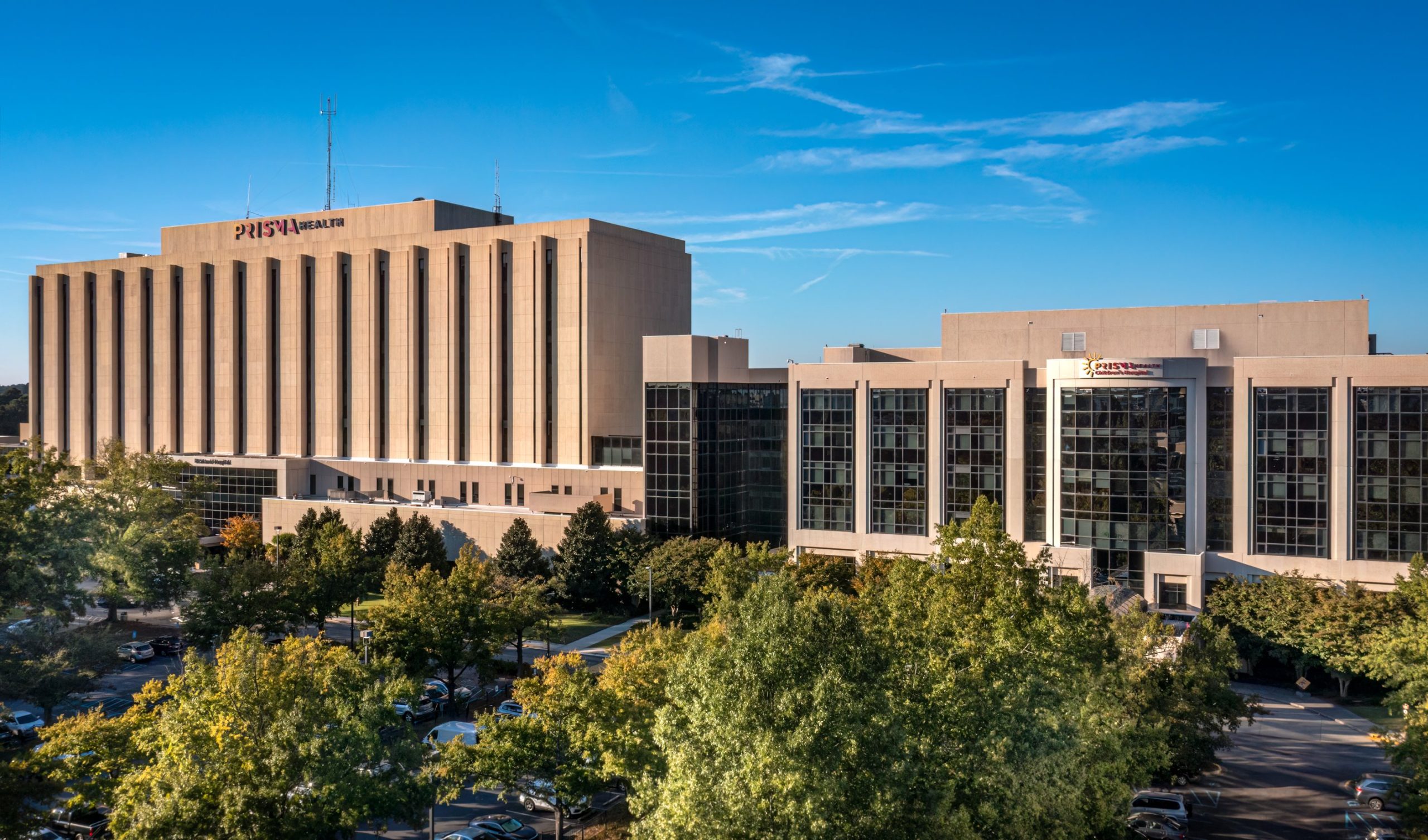
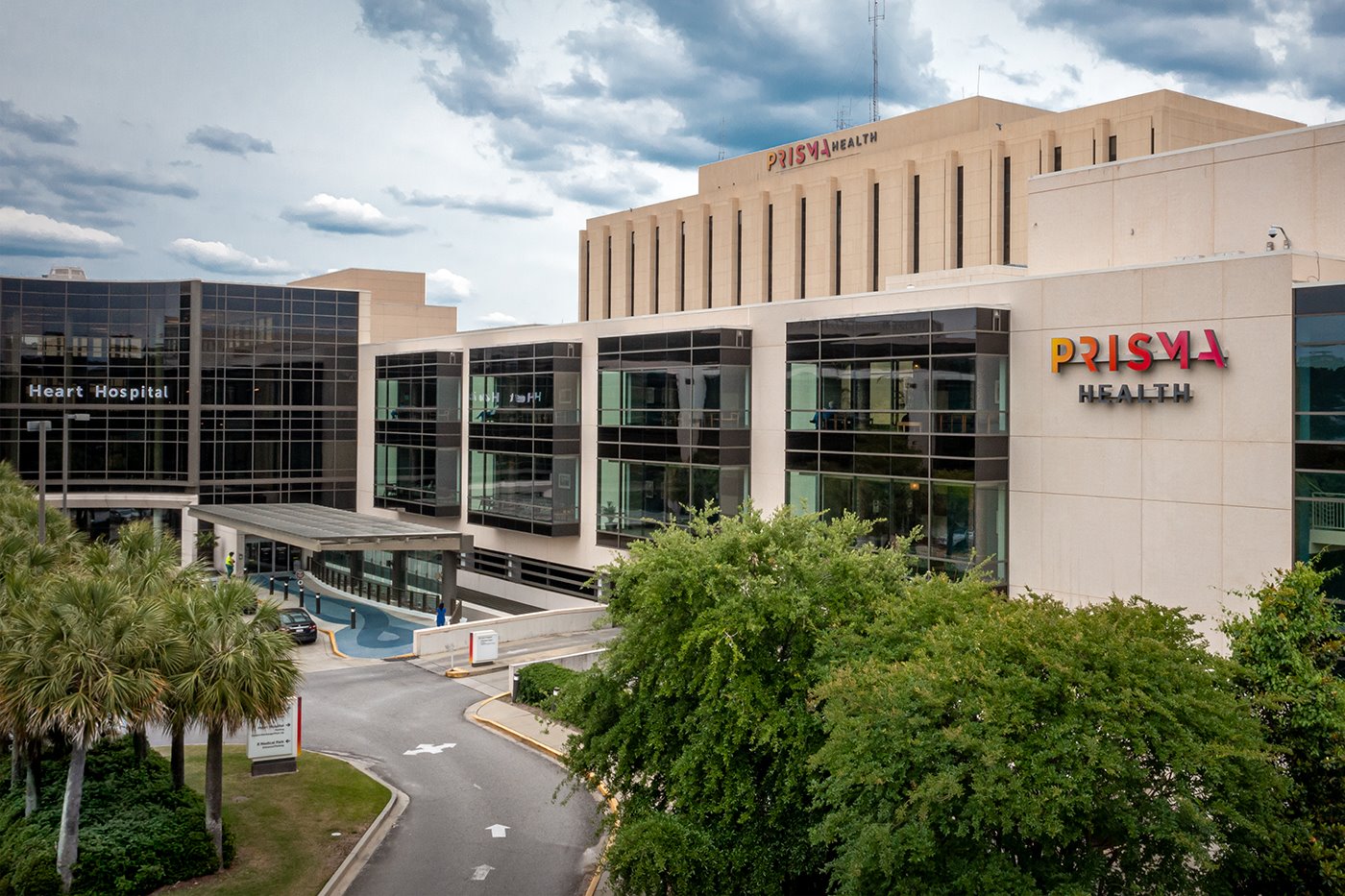
Prisma Health Richland Hospital
Downtown Columbia / 37+ active studies
Cancer, blood disorders, broad hospital research
The flagship Prisma Health hospital in the Midlands. Also, by far the biggest trial operation in the Columbia metro.
Visit Website →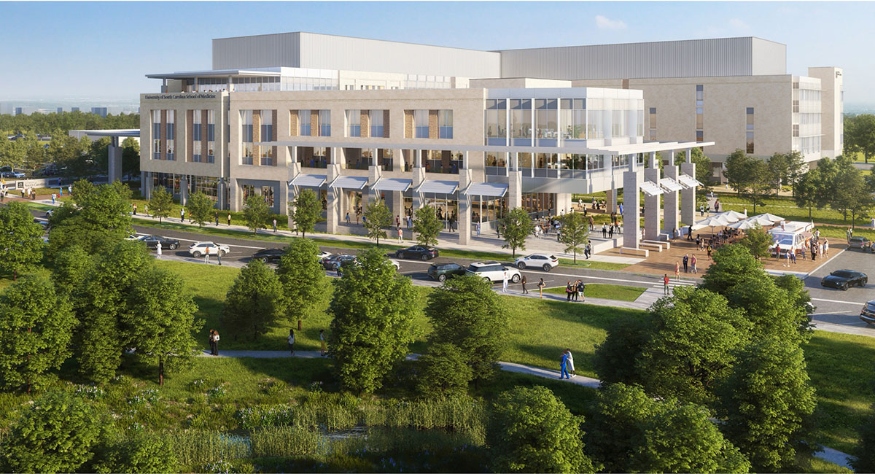
University of South Carolina
Columbia / 27+ active studies
Stroke recovery, physical activity, community health
Notably, a research university that runs federally funded health studies across the Midlands. Specifically, topics range from stroke rehab to disease prevention.
Visit Website →
Bogan Sleep Consultants
Columbia / 7+ active studies
Narcolepsy, sleep disorders
One of the best known private sleep research sites in the Southeast. Also, it has run sleep trials for decades.
Prisma Health Midlands Cardiovascular
Columbia / 4+ active studies
Cardiovascular disease, heart failure
The heart and vessel research arm of Prisma Health in the Midlands. So it is the natural home for cholesterol trials in Columbia.
Visit Website →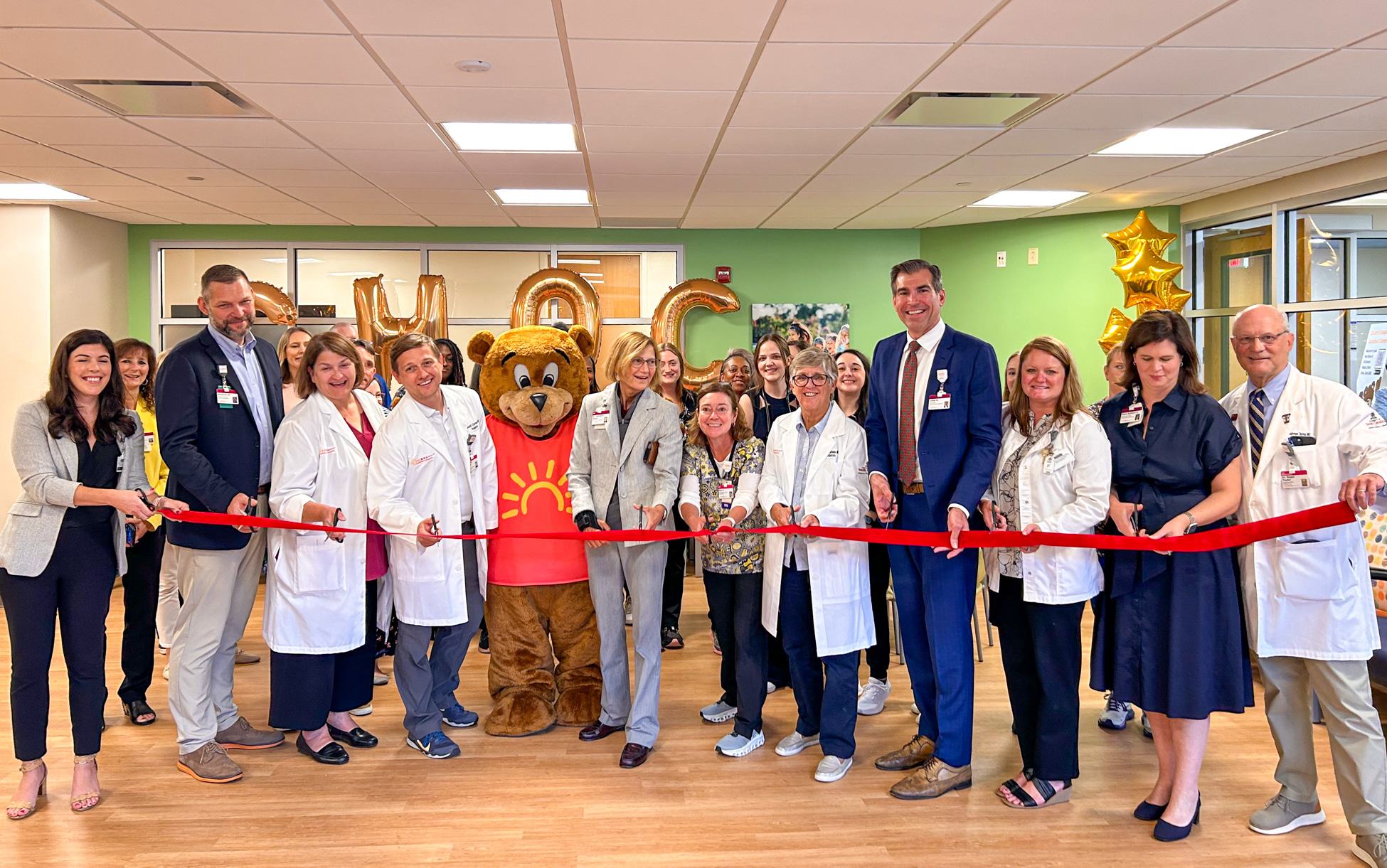
Prisma Health Children’s Hospital, Midlands
Columbia / 4+ active studies
Pediatric growth, cystic fibrosis
Basically, the Midlands hub for children’s research inside the Prisma Health system.
Visit Website →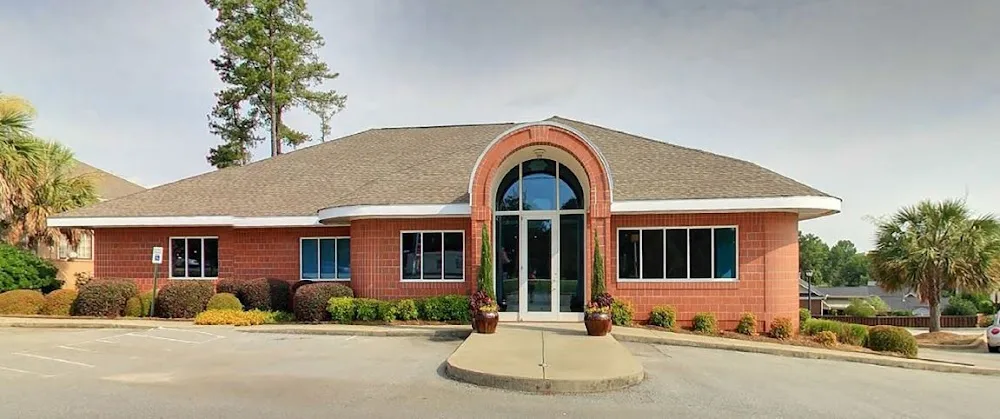
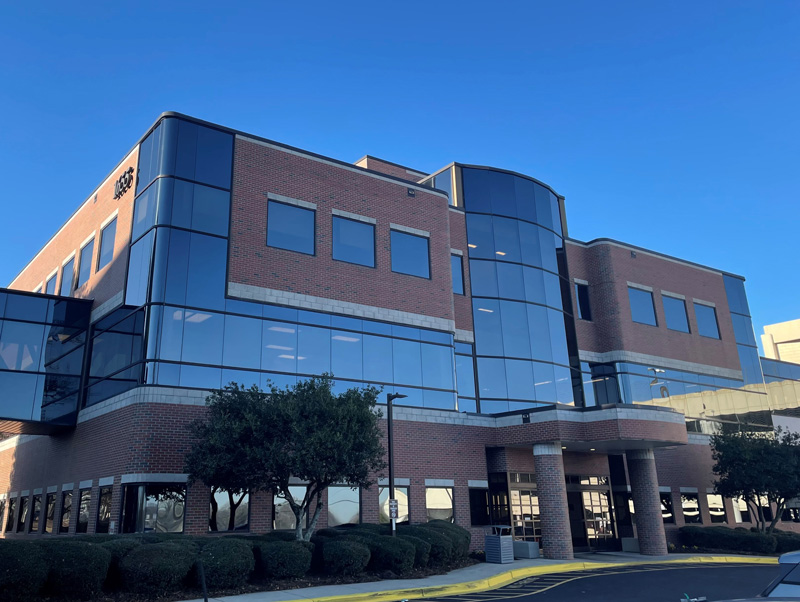
Columbia Dermatology & Aesthetics
Columbia / 4+ active studies
Hidradenitis suppurativa, psoriasis, obesity
A skin care practice with its own research team. It runs both skin and weight studies.
Velocity Clinical Research, Columbia
Columbia / Multiple active studies
COPD, skin conditions, vaccines
Part of one of the biggest research site networks in the country. Besides, it is just the kind of site the huge outcome trials lean on.
Visit Website →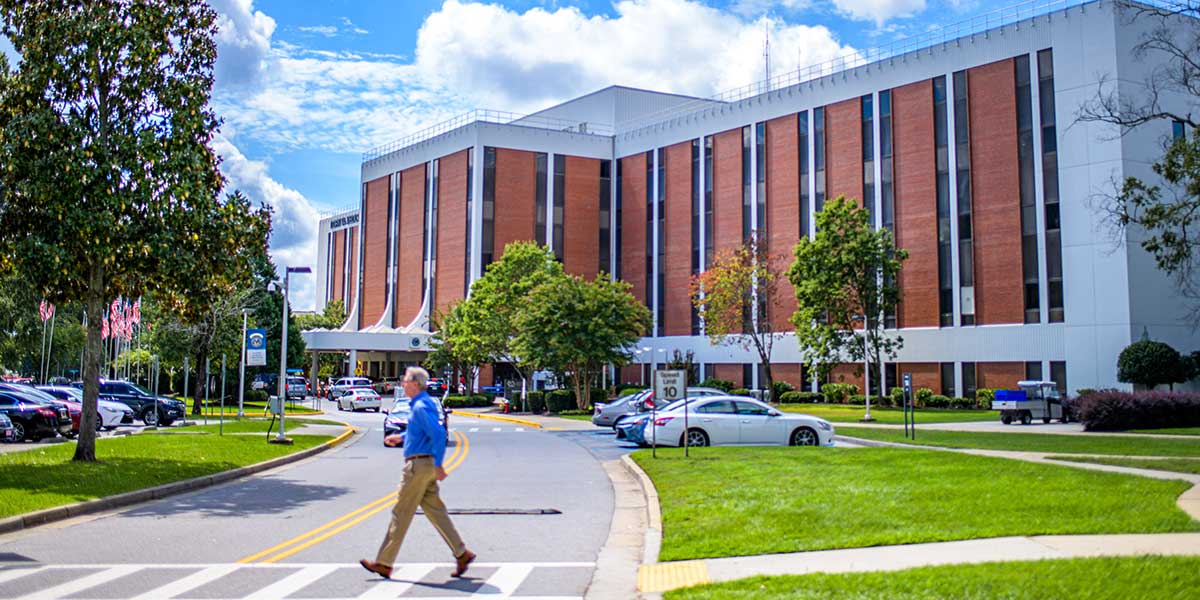
Wm. Jennings Bryan Dorn VA Medical Center
Garners Ferry Road, Columbia / 2+ active studies
Atherosclerosis, liver disease
Columbia’s VA medical center runs studies, including ones on clogged arteries. For veterans, it is often the first door.
Visit Website →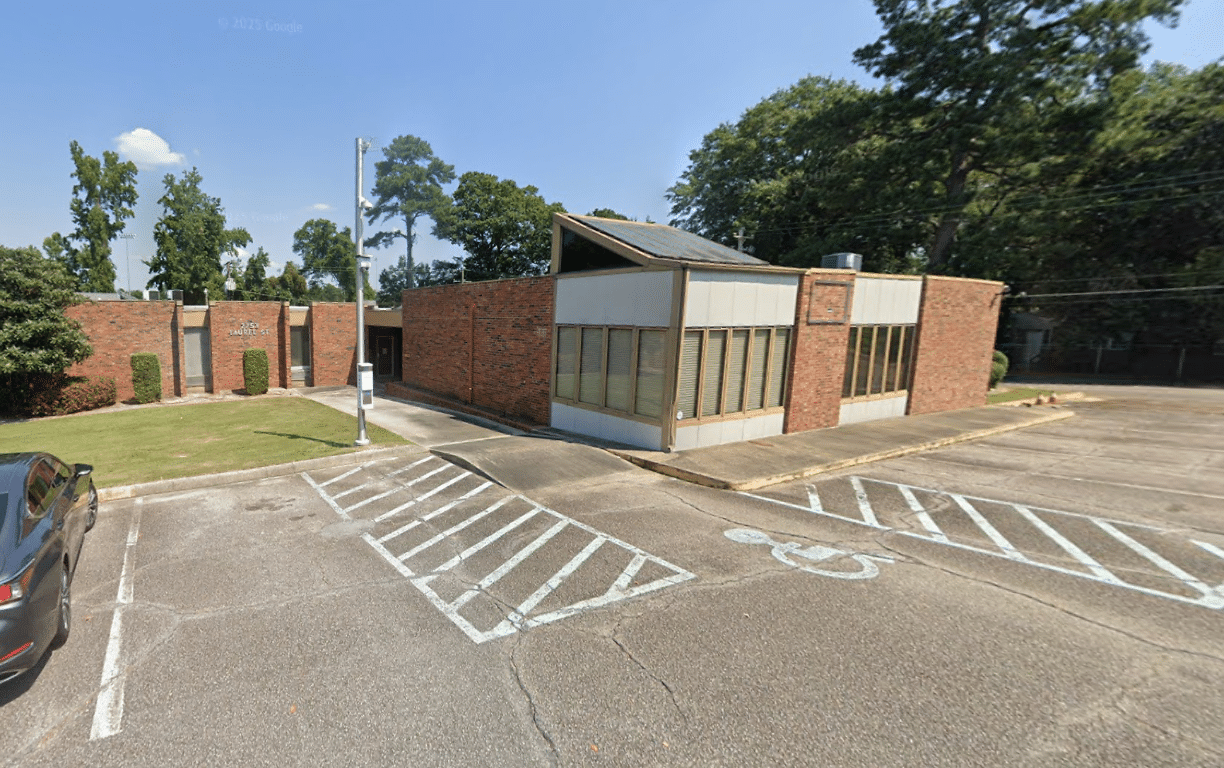
Objective Health, Columbia
Columbia / 2+ active studies
Celiac disease, fatty liver disease
Once called Columbia Digestive Health Research. Now it is part of the Objective Health network. Specifically, it runs gut and liver studies, including fatty liver trials.
Columbia Gastroenterology Associates
Columbia / Active studies
Digestive conditions
A long-running gut health practice. Also, it takes part in digestive trials around Columbia.
What to Expect in a Type 1 Diabetes Study
New to studies? Here is how one works, step by step.
01
Prescreening
First comes a short phone call or online form. Also, it takes about 10 to 15 minutes. The staff check whether you might fit. Then they tell you what is open.
02
Screening Visit
Next the clinic runs the tests that decide it, which usually means blood work. Also, they go through the consent form line by line, and you can bring somebody with you.
03
Treatment Period
Then the study begins. So you take the study drug or the placebo on the agreed schedule. Meanwhile, your own doctor keeps managing everything else.
04
Follow-Up
Finally, there is a check in period at the end. Also, your own doctor gets the results, and you can stop at any point without affecting your care.
Type 1 Diabetes Trial FAQs
Real answers about type 1 diabetes studies near Columbia SC.
Is there a type 1 diabetes trial in Columbia right now?
No, and there is none anywhere in South Carolina. We checked every recruiting site in the country individually rather than trusting a search filter. However, the TrialNet screening study needs no travel at all, because your own local lab draws the blood. So there is one real thing you can do from here today.
Who should get screened?
Anybody 2 to 45 with a parent, brother, sister or child who has type 1 diabetes. Also, ages 2 to 20 if a cousin, aunt, uncle, niece, nephew or grandparent has it. The test looks for antibodies that show up years before symptoms. Notably, it is free and results come back in about 4 to 6 weeks.
Does type 1 diabetes run in families?
Less than people assume, and this is the most misunderstood part. About 85 percent of people diagnosed have no family history of it at all. So a clean family tree is not reassurance. Meanwhile, having a relative with it does raise your risk enough that screening is offered free.
Why does screening matter if there is no cure?
Two reasons, and both are concrete. First, knowing early prevents the emergency. Diabetic ketoacidosis at diagnosis drops from as high as half of cases to about one in twenty. Also, a positive antibody test is what makes somebody eligible for prevention studies. In short, screening is the door to everything else.
Is the drive to North Carolina worth it?
That depends on the date of diagnosis more than anything else. Asheville and Chapel Hill are both about three and a half hours from Columbia, which is a real commitment. However, these studies involve repeated visits over a year or more, so be honest with yourself about that. Also, ask the clinic about travel reimbursement, because some studies pay it on top.
Would I have to stop my insulin?
No, and this matters. In every one of these studies you stay on your normal insulin from start to finish. The study drug is added on top, never swapped in. Also, that is true even if you are in the placebo group.
What is the 8 week rule I keep seeing?
Two of the drug trials here only take people within 8 weeks or 100 days of diagnosis. That is because they are trying to protect insulin cells that are still alive. However, it is also the single most common reason families miss out. So if somebody was diagnosed this month, ask now rather than later.
Does it cost anything to be on the list?
No. There is no cost, and no insurance is needed. Tether is a nonprofit directory, so we do not run studies and we are not paid to refer you. Also, being on the list never enrolls you in anything. You would always call the clinic yourself.
How long until a study opens near Columbia?
We cannot promise a date, and we will not guess at one. However, Prisma Health runs a children’s hospital here and the University of South Carolina runs research across the Midlands. So the infrastructure exists even though the type 1 trials do not yet. Meanwhile, screening is available from home right now.
Where can I get type 1 diabetes care near Columbia SC?
Prisma Health runs pediatric and adult endocrinology across the Midlands. Also, ask specifically for an endocrinologist rather than general care. Your primary care doctor can refer you. Meanwhile, ask whether anybody else in the family should be screened for antibodies.
Ready to Explore a Study?
Get on the list, or just reach out to our Columbia team. No pressure. Also, no sales pitch.
← Back to All Clinical TrialsSources
- TrialNet Pathway to Prevention screening study, ClinicalTrials.gov NCT00097292
- Teplizumab in Stage 3 type 1 diabetes, ClinicalTrials.gov NCT07088068
- SAFEGUARD study of SAB-142, ClinicalTrials.gov NCT07187531
- POLARIS study of GNTI-122 cell therapy, ClinicalTrials.gov NCT06919354
- TrialNet: teplizumab delays type 1 diabetes by a median of two years
- AJMC interview with Kevan Herold, MD, Yale School of Medicine
- Breakthrough T1D: early detection campaign, family history and ketoacidosis figures
Study details and per-site recruiting status verified against ClinicalTrials.gov on August 15, 2026. On that date no type 1 diabetes drug trial was enrolling anywhere in South Carolina. Study availability and criteria change; the research clinic confirms everything before you enroll.