
COLUMBIA, SC
Coronary Artery Disease Clinical Trials
3 paid heart and artery studies are enrolling near Columbia SC, and two are in Columbia itself. Free heart imaging, free study medicine, and no insurance needed. Compensation is provided for eligible participants.
3
Enrolling Now
2
In Columbia Itself
+/- $100
Per Visit
New here? Read how this page works
First, three studies are open near Columbia. Also, they could hardly be more different from each other. So here is how to tell in about a minute which one is yours.
- Are you a Veteran? Because one of the two Columbia studies runs at the Dorn VA and takes Veterans only.
- Do you have a heart procedure coming up? Notably, the Prisma Health study enrols people already scheduled for one.
- Do you have type 2 diabetes? Then the Orangeburg study may fit, and it has no placebo and almost no study visits.
- Finally, tap Check eligibility. Then we check you against all 3 at once and tell you when a new one opens here.
Of course, checking never signs you up for anything. You are only seeing where you might fit.
The 3 Heart Artery Studies Nearest to Columbia
Two are in Columbia itself. However, one of those is open to Veterans only, so read the labels before you call.
Enrolling in Columbia now
One is a catheter procedure at Prisma Health Richland. Also, the other runs at the Dorn VA and is open to Veterans only.

A Medicine Coated Balloon Instead of a Metal Stent
Boston Scientific / Device
Normally a blocked heart artery gets a permanent metal stent left inside it. This tests a balloon coated in medicine that opens the artery, delivers the drug, then comes back out.
Payment is not published. Ask the clinic, because the procedure itself is standard care.
See if you fit →More details
Why researchers are excited: leaving no metal behind could mean less time on blood thinners and fewer problems inside the artery years later.
Who this study is looking for
- Adults 18 and older
- Also, you are already scheduled for a heart artery procedure
- Besides that, the blockage is new, in a natural artery, and has never been treated
- Finally, the artery opens properly with a plain balloon first
Probably not a fit if: the blockage is inside an old stent or a bypass graft, or the artery is fully blocked, or your heart pump is under 30 percent, or you are on dialysis.
- Placebo group: No placebo and no fake procedure. Instead, both groups get a real treatment, either the coated balloon or today’s standard stent.
- How long: Main result at 12 months, with follow up running to 2032.
- Clinic visits: Only the 12 month check is published, on top of the procedure itself. However, the study runs to 2032, so expect yearly follow up. Ask the clinic for the real schedule.
- Phone calls: Not published on the public record.
- Most invasive part: A heart catheter procedure through the wrist or groin. Also, you must tolerate the artery being blocked for at least 30 seconds.
- Setting: Outpatient.
- Where it runs: Prisma Health Richland Hospital, Columbia SC 29203.
- Worth knowing: there are two side studies, one with extra blood draws and one with a camera wire inside the artery. So ask which you are being offered.
- Full study record: View on ClinicalTrials.gov →

An Old Cheap Pill, Tested Before Diabetes Starts
US Department of Veterans Affairs / Drug
Metformin is a cheap diabetes pill that has been used for decades. This tests whether taking it during pre diabetes, when you already have artery disease, prevents heart attacks and strokes.
Est. about $100 per visit. Ask the site for the total number of visits.
See if you fit →More details
Why researchers are excited: if a generic pill this cheap prevents heart attacks, it would be one of the most scalable findings in years.
Who this study is looking for
- Pre diabetes, with an A1C between 5.7 and 6.4
- Also, proven artery disease in the heart, the neck arteries or the legs
- Besides that, kidney function of 45 or above
- Finally, you are a Veteran able to consent
Probably not a fit if: you have taken metformin or another diabetes medicine in the last 12 months, or you have liver disease, or you have any history of memory problems.
- Placebo group: Yes, half get an identical dummy pill. However, everybody gets lifestyle coaching and keeps their usual heart medicines.
- How long: About 4 and a half years on average.
- Clinic visits: Not published on the public record. Every published time point simply reads about 4.5 years. Still, the dose is raised gradually, so expect early visits for that.
- Phone calls: Not published on the public record.
- Most invasive part: Blood draws, and possibly a glucose drink test with timed draws.
- Setting: Outpatient.
- Where it runs: Wm. Jennings Bryan Dorn VA Medical Center, Columbia SC 29209.
- Read this first: this one is open to Veterans only. Also, any history of memory trouble rules you out, which is a wider rule than most studies use.
- Full study record: View on ClinicalTrials.gov →
A short drive south
This one has no placebo at all, and almost no study visits, because it runs through your own doctors.

Two Proven Diabetes Drugs, Compared Head to Head
Brigham and Women’s Hospital / Drug
Two families of diabetes drug both protect the heart, but nobody has ever compared them directly. A coin flip decides which one you start, and both are real approved medicines.
Payment is not published. However, the visit burden is unusually light.
Check eligibility →More details
Why researchers are excited: doctors face this exact choice every day, and no drug company has any reason to pay for the answer.
Who this study is looking for
- Type 2 diabetes with an A1C of 6 or higher in the last year
- Also, adults 40 to 80 with proven artery disease
- Besides that, willing to fill the prescription through your own pharmacy benefit
- Finally, willing to stop your current drug from either family
Probably not a fit if: your insurance will not cover the drug, or your kidney function is under 45, or your heart pump is under 40 percent.
- Placebo group: None at all. Instead, everybody gets a real approved drug, and you know exactly which one.
- How long: About 3 years on average.
- Clinic visits: Likely just 1 enrolment visit, plus your normal care. The record publishes no scheduled study visits at all, because your own doctors keep managing everything.
- Phone calls: Not published on the public record.
- Most invasive part: Nothing beyond routine blood draws.
- Setting: Outpatient.
- Where it runs: South Carolina Clinical Research, Orangeburg SC 29118.
- Drive from Columbia: Orangeburg is about 40 miles south, so roughly 45 minutes on I-26.
- Worth knowing: the study does not give you free medicine. So your insurance has to cover it, and that is a written rule.
- Full study record: View on ClinicalTrials.gov →
Not sure which one fits you?
First, answer a few quick health questions. Then we check you against all 3 studies. No account, no paperwork.
See if I may fit one of these studies →What Is Actually Being Tested for Clogged Arteries
Four very different bets on the same problem.
Cholesterol Is Still the Main Event
Most drug studies here come back to lowering the fats that build plaque. However, they differ in how. One is a twice a year shot. Another is a daily tablet from a family that has only ever been injected. A third targets a blood fat you inherit, which statins do not touch at all. In short, the target is old and the delivery is what is new.
Timing Has Become the Experiment
Two studies here can only take you within days of a procedure. That is deliberate. Doctors know people leave the cath lab under treated, and then months pass. So these test whether starting on day one, rather than at the next appointment, changes what happens years later. As a result, they are the hardest ones to join, because the window closes fast.
Leaving Nothing Behind
Two device studies here share one idea. Instead of leaving a permanent metal stent inside the artery, a balloon coated in medicine opens it, treats it, and comes out. One tests that in the heart, and one below the knee. Notably, neither uses a fake treatment, so both groups get a real procedure.
When Nothing Else Is Left
One study is for chest pain that no stent or bypass can fix. It places a small device in a vein that drains the heart, which is an unusual idea. But it is also the only study here with a fake procedure, and half the people get one. So it is the most demanding option on this page, and it deserves a careful conversation.
The Ones That Barely Ask Anything
Not every study means a calendar full of visits. One here compares two approved diabetes drugs and is run through your own doctors and your own pharmacy. Meanwhile, another is a single MRI followed by three phone calls over two years. In fact, one drug study allows most of its check ins to be done by video.
Research Sites Near Columbia
Prisma Health and the Dorn VA both run heart artery studies. But sites add new studies all the time, so it is worth knowing what else sits near you.
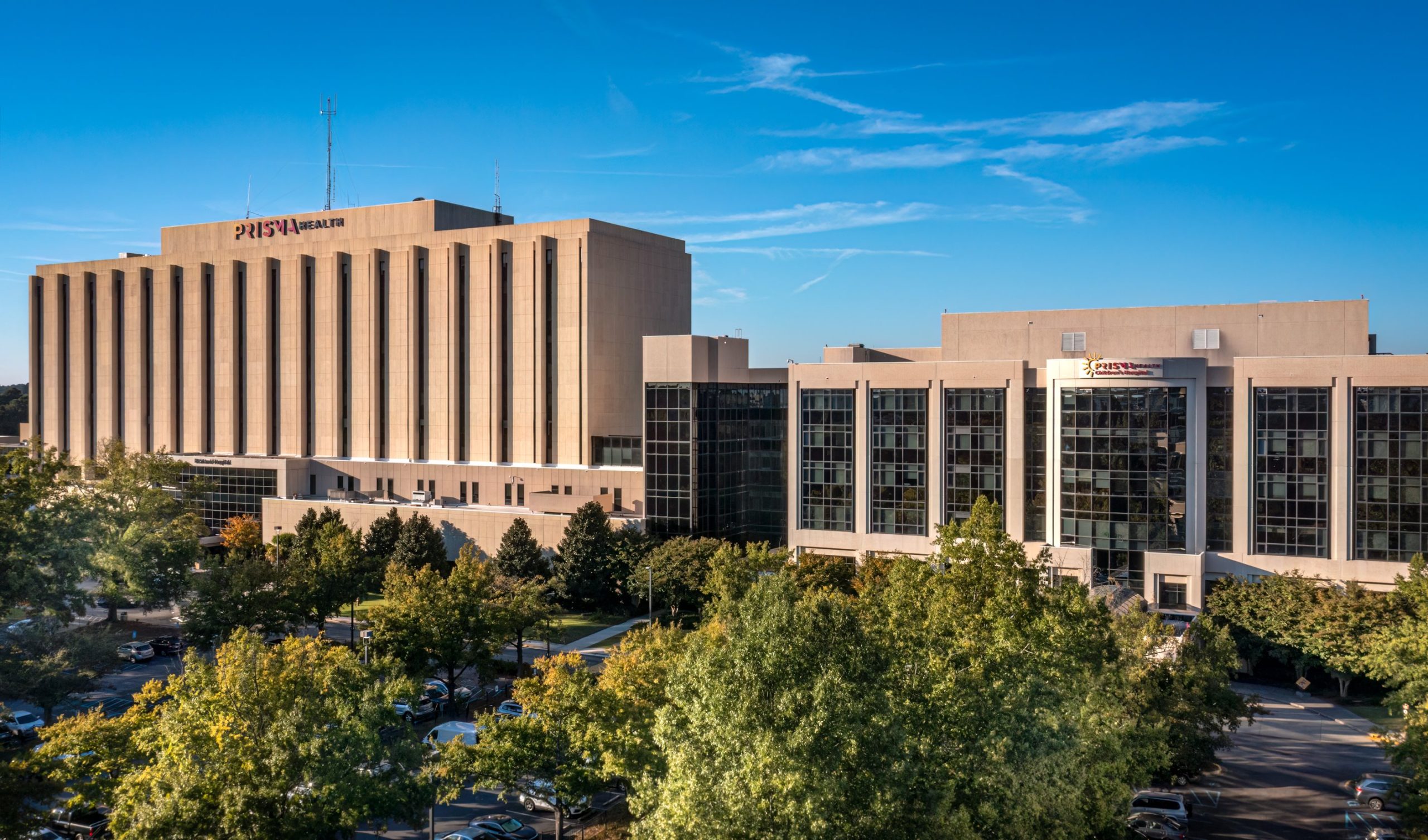
Prisma Health Richland Hospital
Downtown Columbia / 37+ active studies
Cancer, blood disorders, broad hospital research
The flagship Prisma Health hospital in the Midlands. Also, by far the biggest trial operation in the Columbia metro.
Visit Website →
University of South Carolina
Columbia / 27+ active studies
Stroke recovery, physical activity, community health
Notably, a research university that runs federally funded health studies across the Midlands. Specifically, topics range from stroke rehab to disease prevention.
Visit Website →
Bogan Sleep Consultants
Columbia / 7+ active studies
Narcolepsy, sleep disorders
One of the best known private sleep research sites in the Southeast. Also, it has run sleep trials for decades.
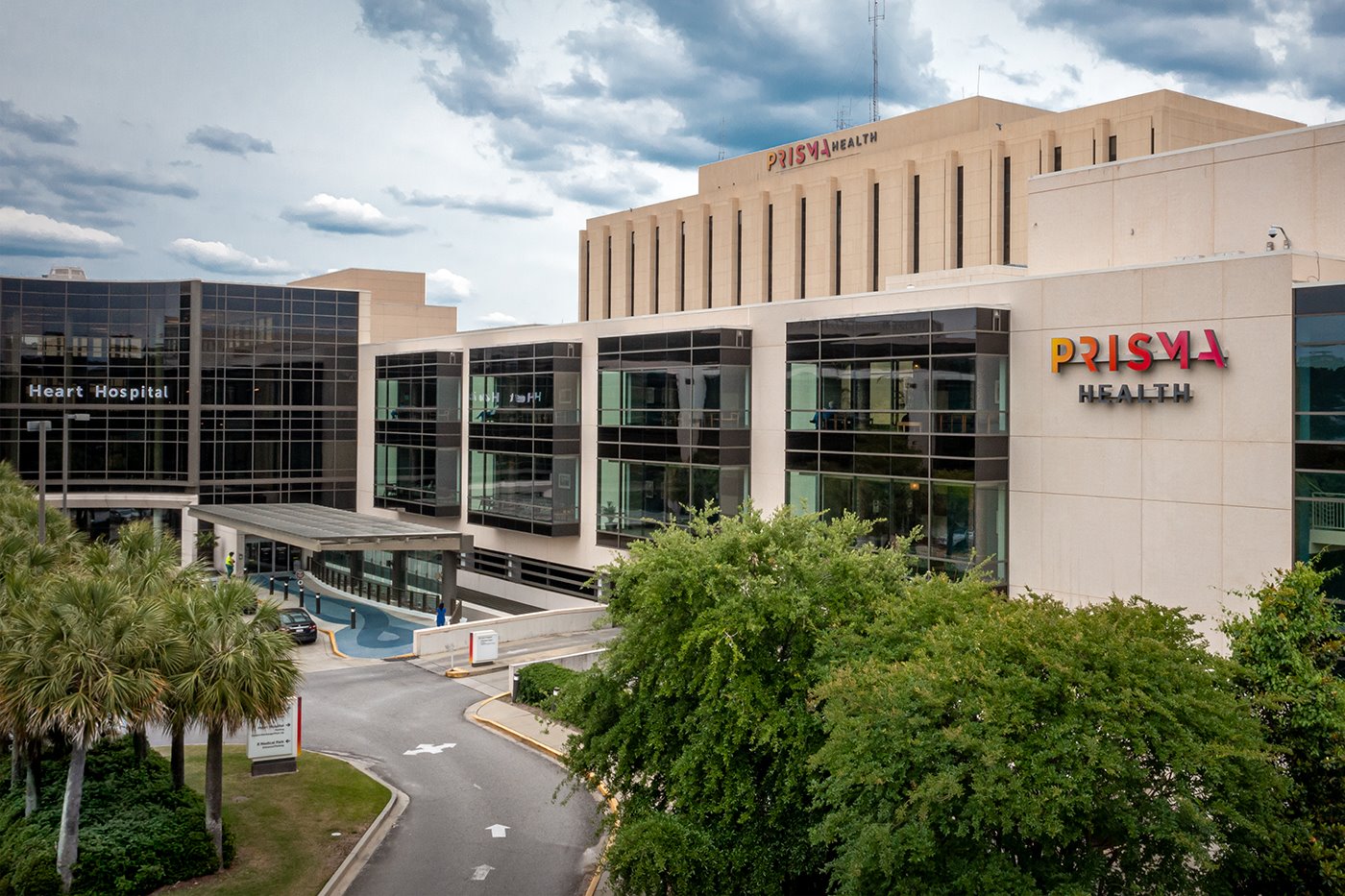
Prisma Health Midlands Cardiovascular
Columbia / 4+ active studies
Cardiovascular disease, heart failure
The heart and vessel research arm of Prisma Health in the Midlands. So it is the natural home for cholesterol trials in Columbia.
Visit Website →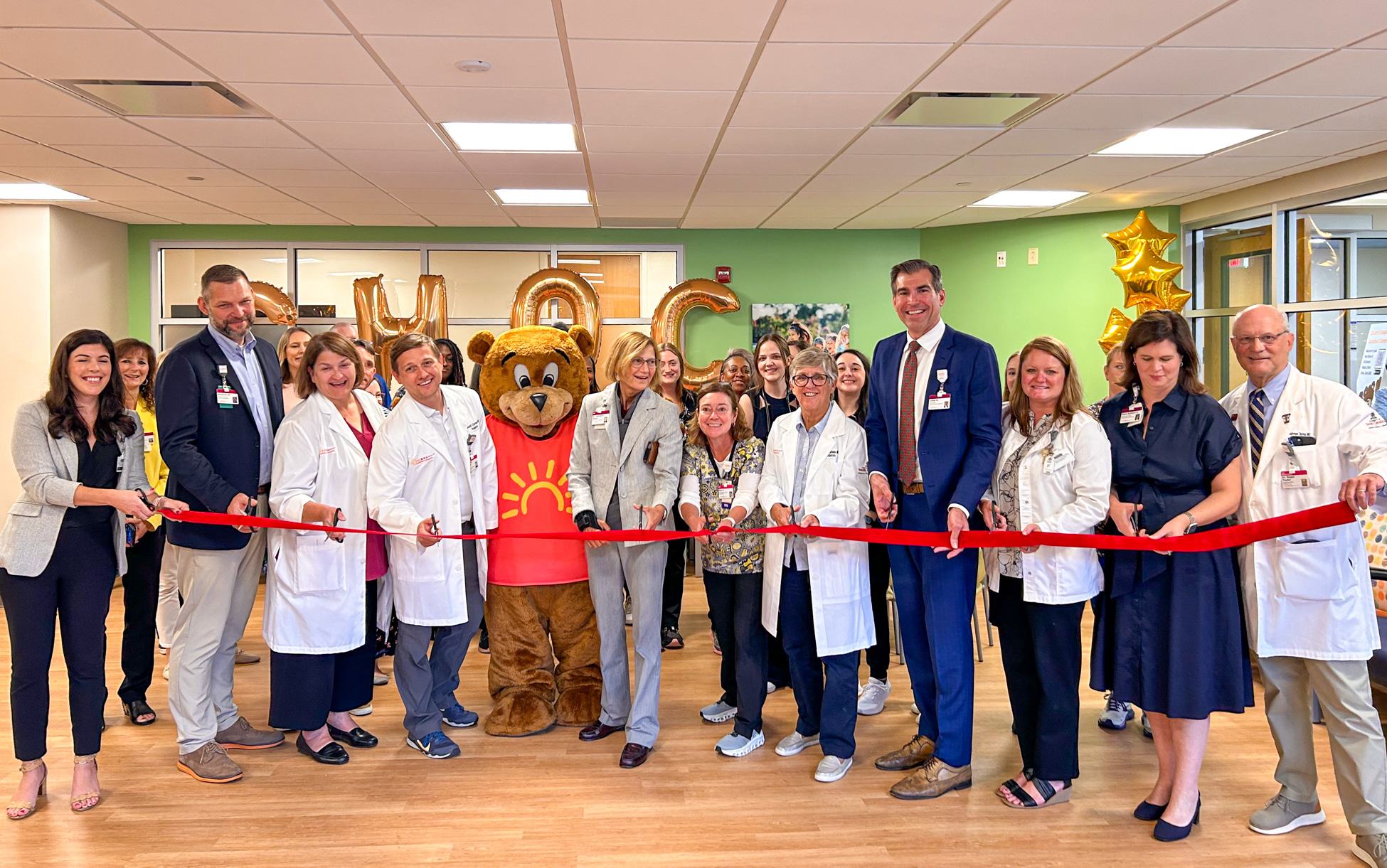
Prisma Health Children’s Hospital, Midlands
Columbia / 4+ active studies
Pediatric growth, cystic fibrosis
Basically, the Midlands hub for children’s research inside the Prisma Health system.
Visit Website →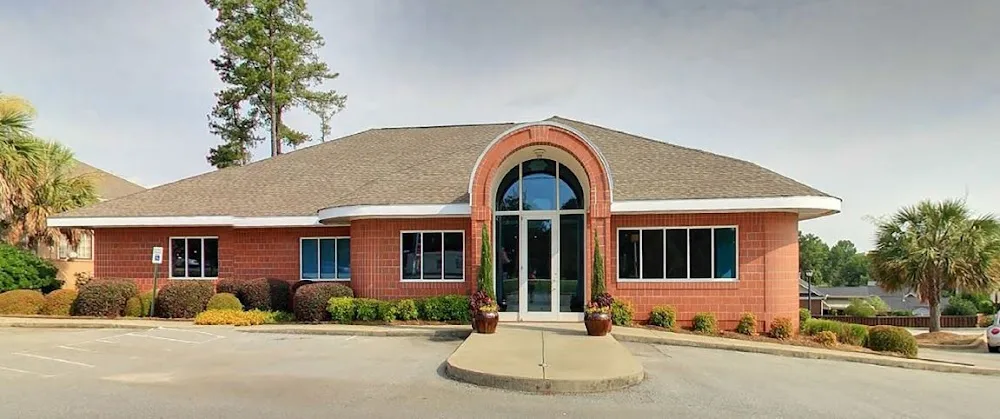
Columbia Dermatology & Aesthetics
Columbia / 4+ active studies
Hidradenitis suppurativa, psoriasis, obesity
A skin care practice with its own research team. It runs both skin and weight studies.
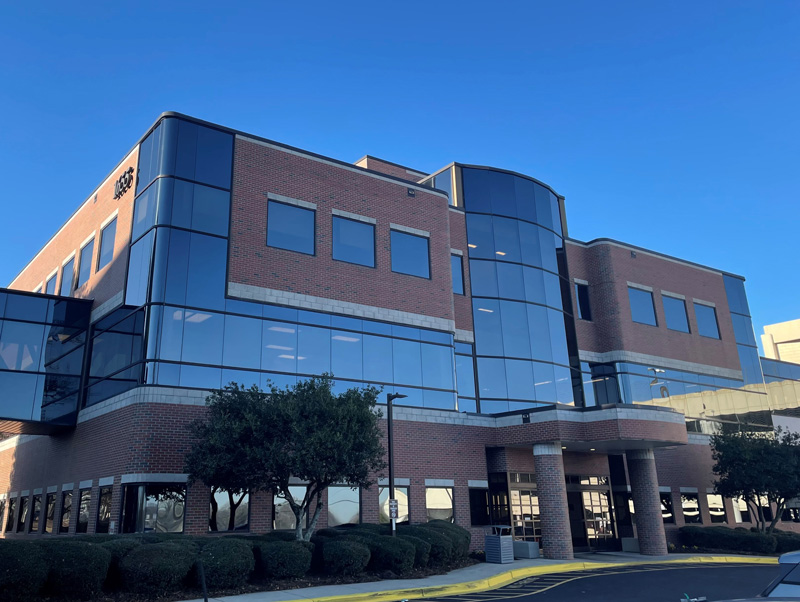
Velocity Clinical Research, Columbia
Columbia / Multiple active studies
COPD, skin conditions, vaccines
Part of one of the biggest research site networks in the country. Besides, it is just the kind of site the huge outcome trials lean on.
Visit Website →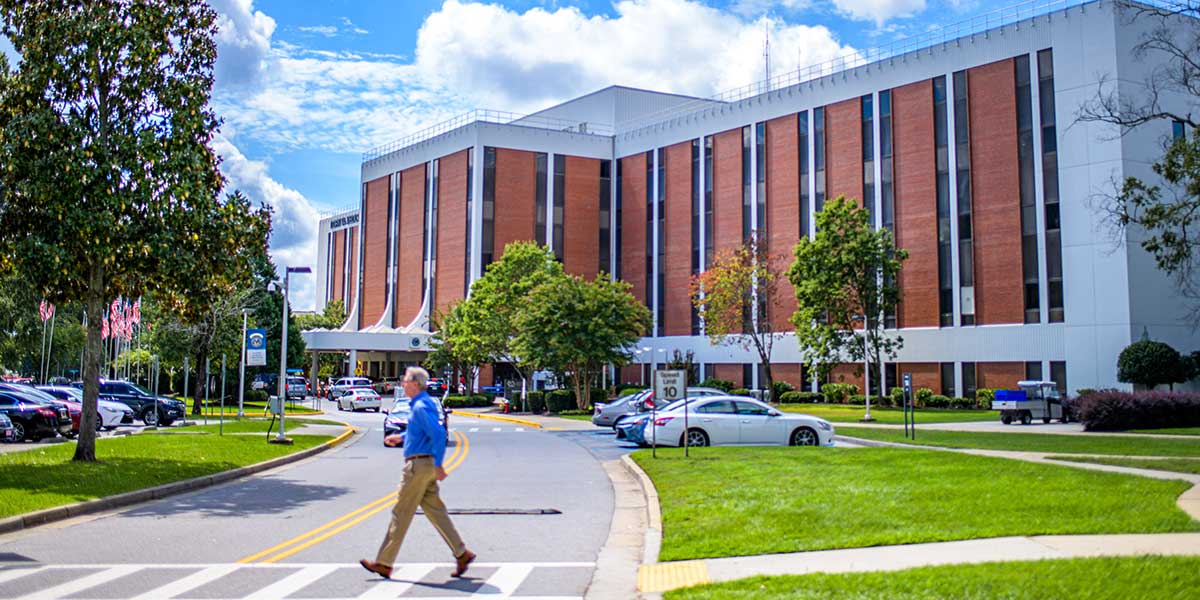
Wm. Jennings Bryan Dorn VA Medical Center
Garners Ferry Road, Columbia / 2+ active studies
Atherosclerosis, liver disease
Columbia’s VA medical center runs studies, including ones on clogged arteries. For veterans, it is often the first door.
Visit Website →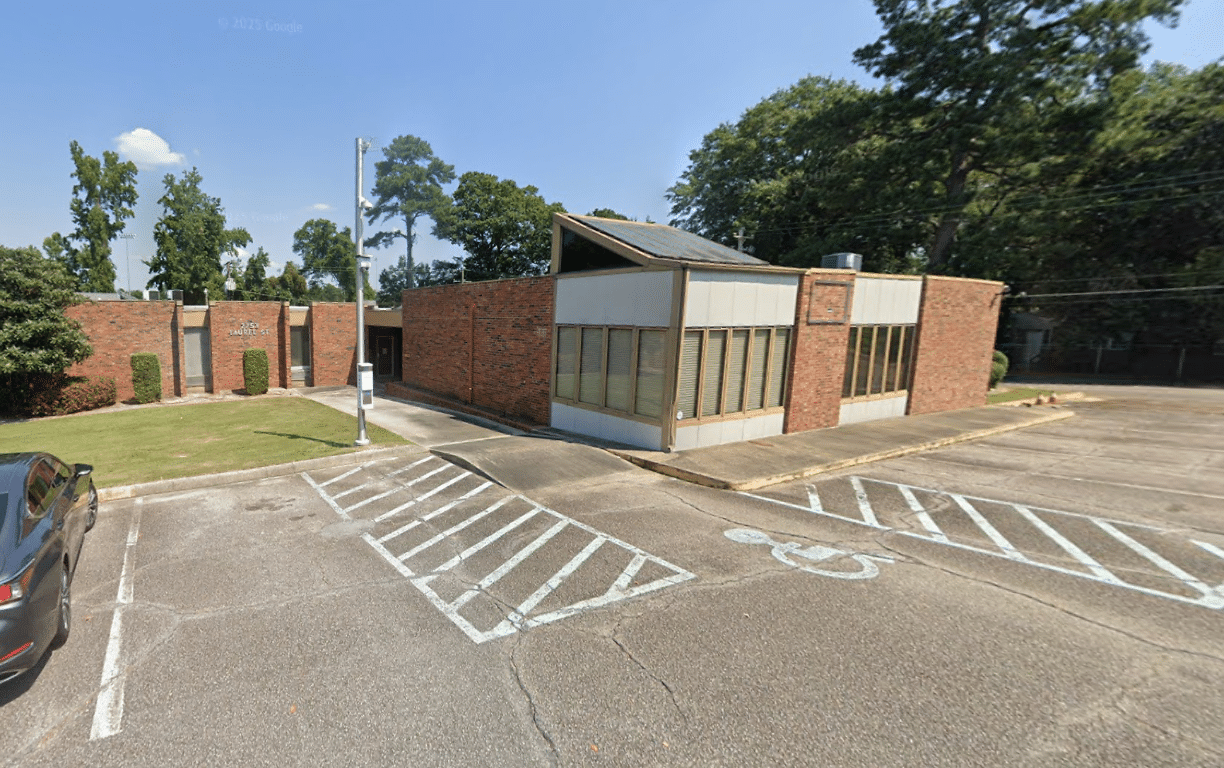
Objective Health, Columbia
Columbia / 2+ active studies
Celiac disease, fatty liver disease
Once called Columbia Digestive Health Research. Now it is part of the Objective Health network. Specifically, it runs gut and liver studies, including fatty liver trials.

Columbia Gastroenterology Associates
Columbia / Active studies
Digestive conditions
A long-running gut health practice. Also, it takes part in digestive trials around Columbia.
What to Expect in a Heart Artery Study
New to studies? Here is how one works, step by step.
01
Prescreening
First comes a short phone call or online form. Also, it takes about 10 to 15 minutes. The staff check your history and what you already take. Then they book a visit.
02
Screening Visit
Next the clinic runs blood tests, an EKG, and sometimes a scan or a treadmill test. Also, they go through the consent form line by line, and you can stop at any point.
03
Treatment Period
Then the study begins. So you take the study drug, get the shot, or have the procedure. Meanwhile, your own cardiologist keeps managing everything else.
04
Follow-Up
Finally, the clinic follows you for months or years, sometimes by phone. Also, your own doctor gets the results, and you can withdraw at any point.
Heart Artery Trial FAQs
Real answers about coronary artery disease studies near Columbia SC.
Are there heart artery studies in Columbia itself?
Yes, two. One runs at Prisma Health Richland and involves a catheter procedure. Also, the other runs at the Dorn VA Medical Center and is open to Veterans only. The third is in Orangeburg, about 45 minutes south. So Columbia has fewer than Charlotte, and we would rather say that plainly.
Do I have to be a Veteran?
Only for one of the three. The metformin study runs at the Dorn VA and takes Veterans only. However, the Prisma Health study and the Orangeburg study are open to anybody who qualifies. So two of the three doors are open regardless. Also, being a Veteran does not stop you from joining the other two.
What counts as artery disease for these studies?
More than most people expect. A past heart attack, a past stent or bypass, or narrowing seen on a scan all count. Also, a past stroke counts, and so does cramping in your legs when you walk. So do not rule yourself out because you have never had a heart attack.
Which one is the lightest on visits?
The Orangeburg study, and it is not close. It is run through your own doctors and your own pharmacy, and the record publishes no scheduled study visits at all. Meanwhile, it has no placebo either, because both groups get a real approved drug. So the main thing it asks is that you switch which of two drug classes you take.
Will I have to stop my cholesterol medicine?
No. In all three you keep your usual heart medicines. However, the Orangeburg study does ask you to stop your current drug from one of two diabetes classes. Also, the metformin study rules you out if you have taken any diabetes medicine in the last year. Your own doctor keeps managing everything throughout.
Is there a placebo?
It depends which. The metformin study uses a dummy pill, added to your usual care. However, the Prisma Health procedure study has no placebo and no fake procedure, because both groups get a real treatment. Also, the Orangeburg study has no placebo at all. So two of the three involve no dummy treatment of any kind.
How many visits are we really talking about?
Honestly, two of the three records do not publish a schedule, and we say so on the cards. The Orangeburg study is likely a single enrolment visit plus your normal care. Meanwhile, the procedure study publishes only a 12 month check, though it runs to 2032. So ask the clinic for the written schedule before you agree to anything.
Do I need insurance?
For two of them, no. The study medicine and study visits are provided at no cost. However, the Orangeburg study is the exception, because you fill the prescription through your own benefit. That study lists insurance coverage as a written eligibility rule. Also, you keep your own doctor throughout, and results are sent back to them.
What is a drug coated balloon?
It is a balloon that opens the artery and leaves medicine on the wall, then comes back out. So no permanent metal is left behind, unlike a stent. The Prisma Health study compares that against today’s standard stent. Notably, there is no fake procedure, so both groups get a real treatment.
Where can I get heart care near Columbia SC?
Prisma Health runs cardiology across the Midlands, and the Dorn VA serves Veterans. Also, ask for your most recent cholesterol numbers before you call any research clinic. Your primary care doctor can refer you. Meanwhile, ask whether your Lp(a) has ever been checked, because it usually has not.
Ready to Explore a Study?
Check your eligibility, or just reach out to our Columbia team. No pressure. Also, no sales pitch.
← Back to All Clinical TrialsSources
- AGENT DCB STANCE drug coated balloon study, ClinicalTrials.gov NCT06959524
- VA-IMPACT metformin in prediabetes study, ClinicalTrials.gov NCT02915198
- PRECIDENTD SGLT2 versus GLP-1 comparison study, ClinicalTrials.gov NCT05390892
Study details and per-site recruiting status verified against ClinicalTrials.gov on August 15, 2026. Study availability and criteria change; the research clinic confirms everything before you enroll.