
COLUMBIA, SC
High Blood Pressure Clinical Trials
3 paid blood pressure studies are enrolling in Columbia SC, and all three are inside the city. Free monitoring, free study medicine, and no insurance needed. Compensation is provided for eligible participants.
3
Enrolling Now
3
In Columbia Itself
+/- $100
Per Visit
New here? Read how this page works
First, three studies are open right here in Columbia. However, they look similar from the outside. Still, each one wants a different person. So here is how to tell them apart.
- First, start with your kidneys. Because one of these three is really a kidney study, and it wants kidney function between 30 and 75.
- Next, ask about a hormone cause. Notably, one study takes only people already diagnosed with primary aldosteronism.
- Then look at the injection study. Basically, it is a twice a year shot, and it wants people already on 2 or more medicines.
- Finally, tap Check eligibility. Then we check you against all 3 at once and tell you when a new one opens here.
Of course, checking never signs you up for anything. You are only seeing where you might fit.
The 3 Blood Pressure Studies Enrolling in Columbia
Yet there are fewer here than in Charlotte. However, you would not have to drive for any of them, and each takes a very different kind of patient.

A Twice a Year Injection to Prevent Heart Attack and Stroke (ZENITH)
Alnylam / Drug
Zilebesiran is a gene silencing medicine given as an injection at the clinic, roughly twice a year. Also, you keep taking your usual tablets alongside it.
Est. about $100 per visit. Ask the site for the total number of visits.
Check eligibility →More details
Why researchers are excited: twice a year dosing removes the daily pill problem entirely, which is the single biggest reason blood pressure stays uncontrolled.
Who this study is looking for
- Adults 18 and older if you already have heart, brain or leg artery disease
- Also, or adults 55 and older at high risk of it
- Besides that, treated high blood pressure on at least 2 medicines
- Finally, one of those must be a water pill
Probably not a fit if: your kidney function is under 30, or your potassium is above 4.8, or your liver tests are more than 3 times normal.
- Placebo group: Yes. Notably, half get placebo injections. However, everybody keeps their normal blood pressure medicines.
- How long: Event driven, so up to about 5 years.
- Clinic visits: Roughly 12 to 20 across 5 years, but treat that as an estimate. The record publishes only a 6 month blood pressure check and an event driven endpoint, so ask the clinic for the real schedule.
- Phone calls: Not published on the public record.
- Most invasive part: Also, an injection at the clinic roughly twice a year, plus blood draws. So the drug itself asks very little of you.
- Setting: Outpatient.
- Where it runs: Clinical Trial Site, Columbia SC 29205.
- Worth knowing: this is the only study here where the medicine is given at the clinic rather than taken at home.
- Full study record: View on ClinicalTrials.gov →

For High Blood Pressure With a Hormone Cause (BaxPA)
AstraZeneca / Drug
So some high blood pressure is driven by an adrenal hormone problem called primary aldosteronism. This tests a once daily tablet built specifically for that cause.
Est. about $100 per visit. Ask the site for the total number of visits.
Check eligibility →More details
Why researchers are excited: this cause is far more common than doctors used to think, and it is badly under diagnosed.
Who this study is looking for
- Adults 18 and older
- Also, A documented diagnosis of primary aldosteronism
- Besides that, top number between 135 and 170 on an automated clinic reading
- Finally, on a steady blood pressure regimen for at least a month
Probably not a fit if: you have had adrenal surgery, or one is planned, or your high blood pressure has another secondary cause.
- Placebo group: Yes. Also, at week 44 some people are switched to placebo for the final 8 weeks, which is called a randomised withdrawal.
- How long: About 52 weeks of treatment, and 54 weeks in total.
- Clinic visits: About 10 to 12. From the record: screening, day 1, a week 2 dose increase, week 4, week 8, then periodic visits to week 44 and week 52.
- Phone calls: Not published on the public record.
- Most invasive part: Blood draws, plus 24 hour urine collections you do at home.
- Setting: Outpatient.
- Where it runs: Research Site, Columbia SC 29203.
- Worth knowing: if you take spironolactone or a similar water pill, you would need to stop it to take part.
- Full study record: View on ClinicalTrials.gov →

Protecting the Kidneys When Blood Pressure Is High
AstraZeneca / Drug
So this is for people who have both high blood pressure and chronic kidney disease. Everybody gets a real kidney protecting tablet, and half also get a new one on top.
Est. $1,500 or so, across about 15 visits
Check eligibility →More details
Why researchers are excited: the goal here is not the blood pressure number. Instead, it is keeping your kidneys working for longer.
Who this study is looking for
- Adults 18 and older with chronic kidney disease
- Also, kidney function between 30 and 75, with protein in the urine
- Besides that, A history of high blood pressure, 130 or above at screening
- Finally, on a steady dose of an ACE inhibitor or an ARB, but not both
Probably not a fit if: your blood pressure is above 180 over 110, or your potassium is 5.5 or higher, or you have had dialysis or a transplant recently.
- Placebo group: Notably, half get a placebo in place of the new tablet only. However, everybody gets real dapagliflozin.
- How long: Up to about 37 months.
- Clinic visits: 15 in person, and the schedule is published in full: weeks 2, 4, 8, 16, 34 and 52, then roughly every 4 months to the end.
- Phone calls: Not published on the public record.
- Most invasive part: Also, blood draws, urine tests and kidney checks. But it is all tablets.
- Setting: Outpatient.
- Where it runs: Research Site, Columbia SC 29203.
- Worth knowing: this is the best documented visit schedule on the page, so you know exactly what you are agreeing to.
- Full study record: View on ClinicalTrials.gov →
Not sure which one fits you?
First, answer a few quick health questions. Then we check you against all 3 studies. No account, no paperwork.
See if I may fit one of these studies →What Is Actually Being Tested for High Blood Pressure
Four very different answers to the same problem.
The Real Problem Is Not the Pill, It Is Taking It
Also, blood pressure drugs already work well. However, most people do not take them every day for years, and that is where control is lost. So the most interesting studies here attack that rather than the biology. For example, ZENITH gives an injection roughly twice a year. Meanwhile, the Novartis study gives a single injection on day one and nothing after.
Starting Where Patients Actually Are
Also, most new drugs are tested on people taking nothing at all. However, two studies here do the opposite. So one enrols people already on 2 or more medicines, and another requires 3 or more including a water pill. In short, they are built for the blood pressure that has already resisted the usual approach.
Treating the Cause Instead of the Number
In fact, a good share of stubborn high blood pressure comes from a hormone problem in the adrenal glands. It is badly under diagnosed, partly because nobody looks for it. Notably, one study here enrols only people with that confirmed diagnosis. So if your blood pressure has never made sense, it is worth asking your doctor to test for it.
Hardware You May Already Have
Notably, one study lowers blood pressure using software loaded onto a pacemaker you already carry. So there is no new implant, no drug, and nothing extra to remember. But it only applies if you already have a dual chamber pacemaker or are scheduled for one. As a result, it is either perfect for you or completely irrelevant.
When the Target Is Not Blood Pressure At All
Finally, one study on this page is really about kidneys. So it enrols people with high blood pressure and chronic kidney disease, and it measures whether kidney function holds up. Also, everybody in it gets a real kidney protecting drug. Meanwhile, the new tablet is what is being tested on top.
Research Sites Near Columbia
Also, two of these studies run at the same Columbia research site. But sites add new studies all the time, so it is worth knowing what else sits near you.

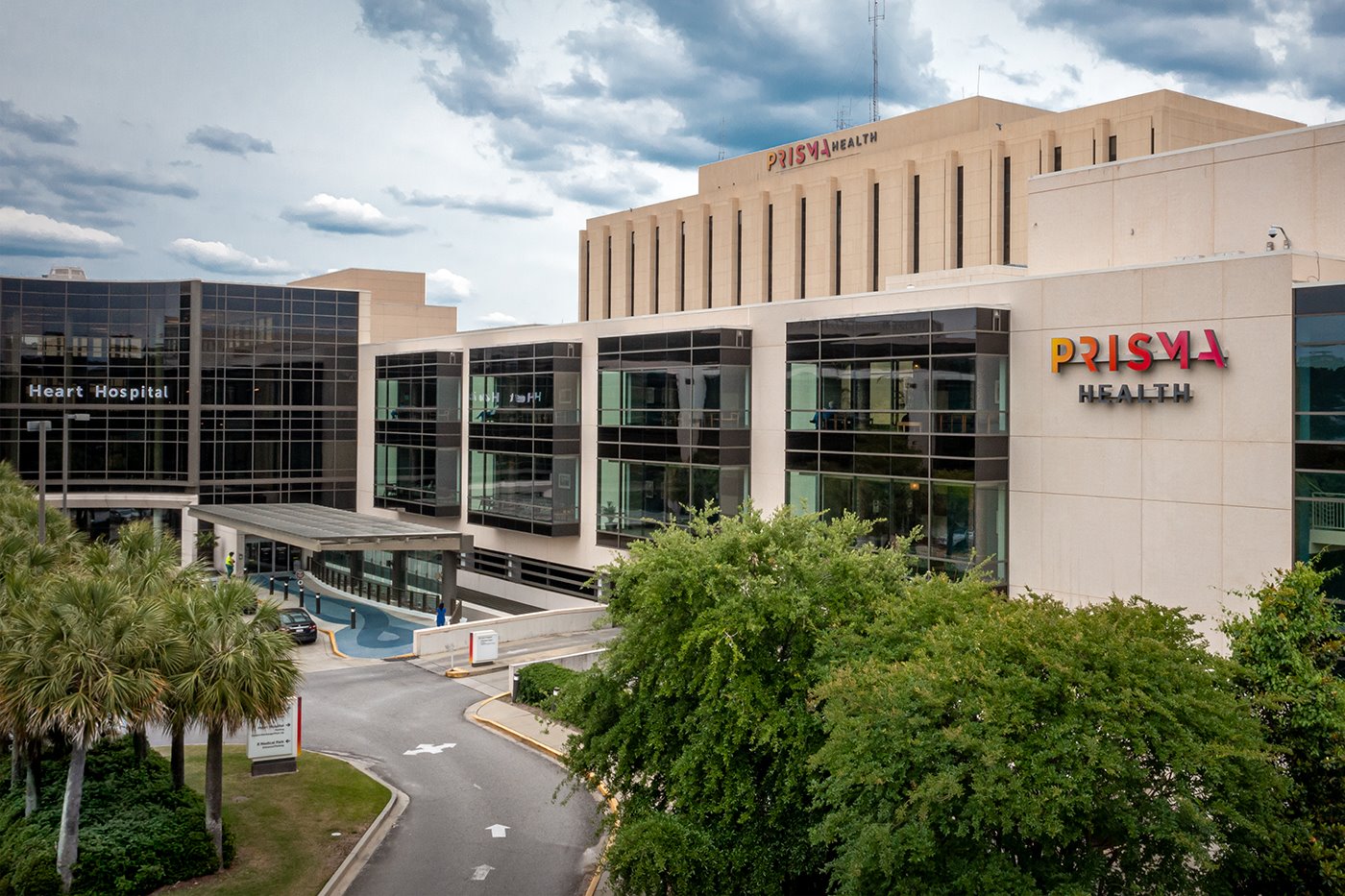
Prisma Health Richland Hospital
Downtown Columbia / 37+ active studies
Cancer, blood disorders, broad hospital research
The flagship Prisma Health hospital in the Midlands. Also, by far the biggest trial operation in the Columbia metro.
Visit Website →
University of South Carolina
Columbia / 27+ active studies
Stroke recovery, physical activity, community health
Notably, a research university that runs federally funded health studies across the Midlands. Specifically, topics range from stroke rehab to disease prevention.
Visit Website →
Bogan Sleep Consultants
Columbia / 7+ active studies
Narcolepsy, sleep disorders
One of the best known private sleep research sites in the Southeast. Also, it has run sleep trials for decades.
Prisma Health Midlands Cardiovascular
Columbia / 4+ active studies
Cardiovascular disease, heart failure
The heart and vessel research arm of Prisma Health in the Midlands. So it is the natural home for cholesterol trials in Columbia.
Visit Website →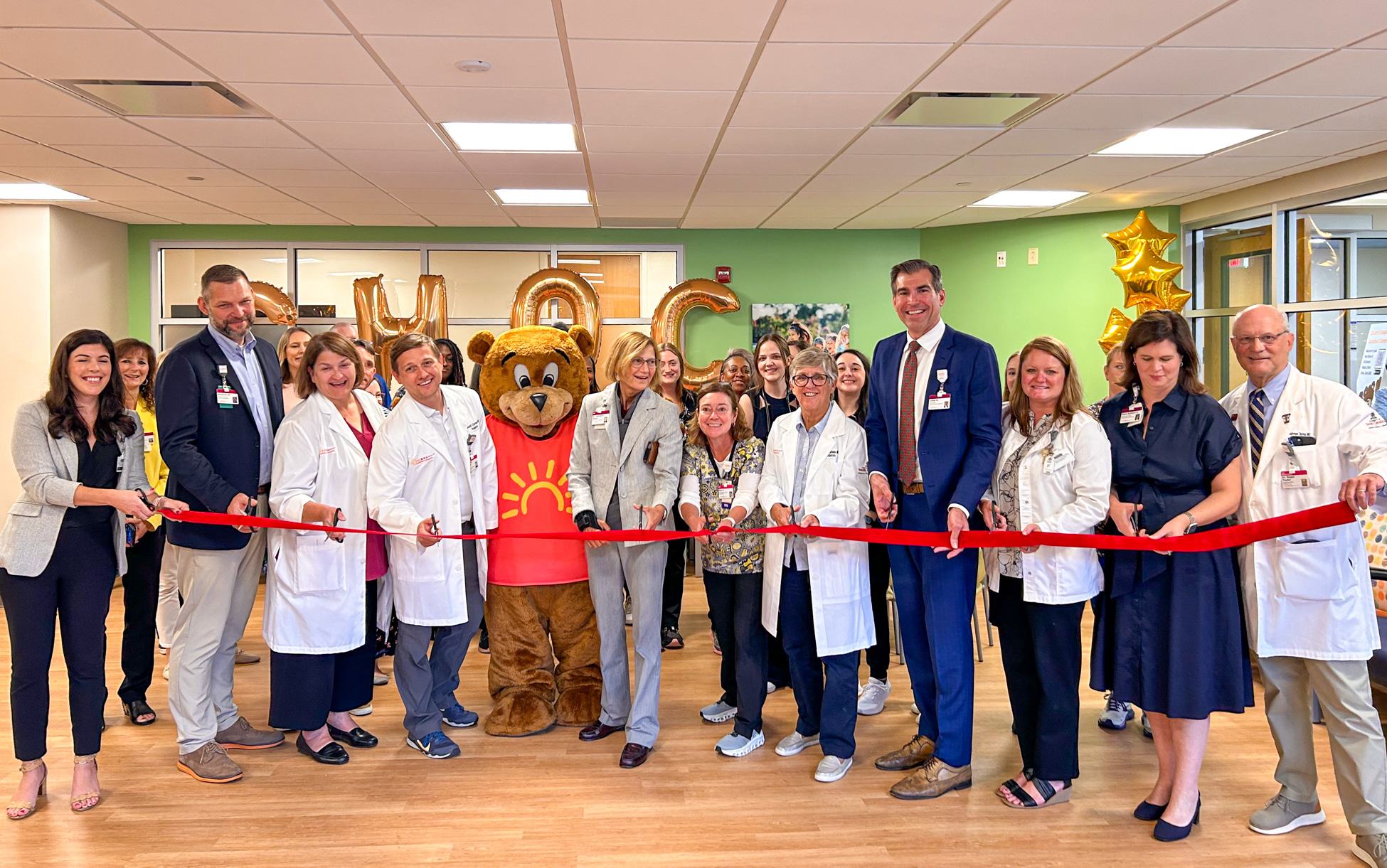
Prisma Health Children’s Hospital, Midlands
Columbia / 4+ active studies
Pediatric growth, cystic fibrosis
Basically, the Midlands hub for children’s research inside the Prisma Health system.
Visit Website →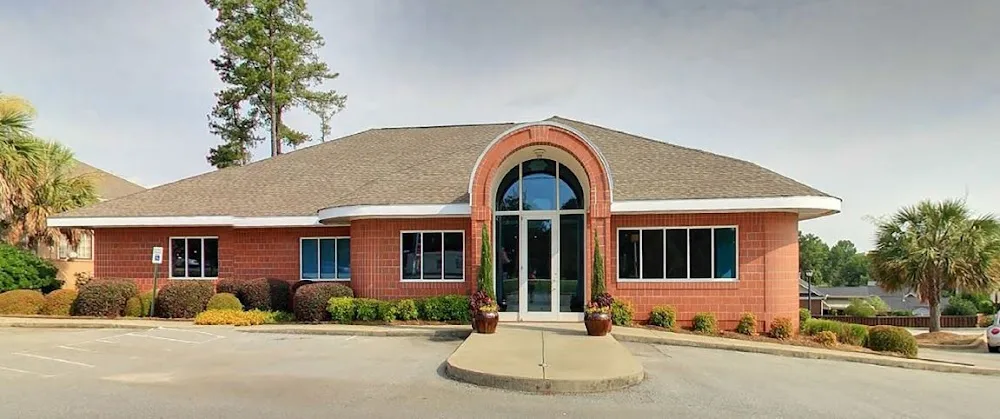
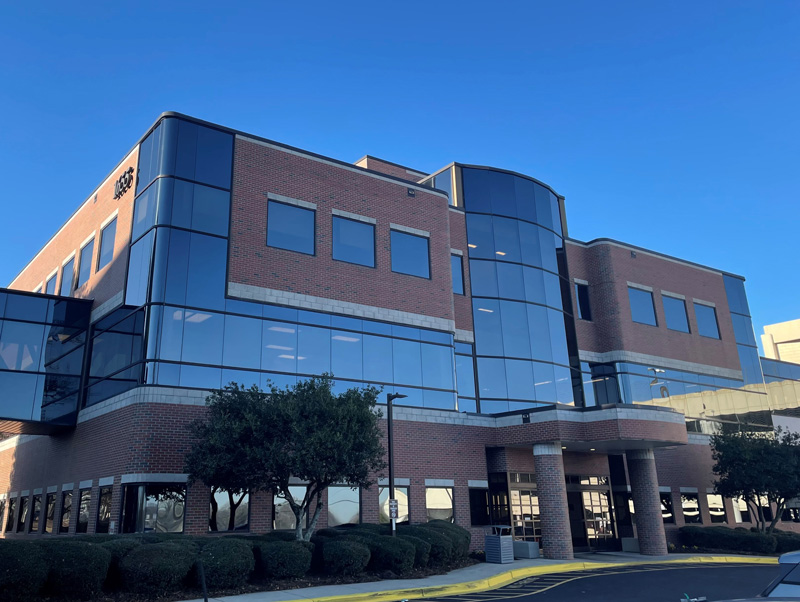
Columbia Dermatology & Aesthetics
Columbia / 4+ active studies
Hidradenitis suppurativa, psoriasis, obesity
A skin care practice with its own research team. It runs both skin and weight studies.
Velocity Clinical Research, Columbia
Columbia / Multiple active studies
COPD, skin conditions, vaccines
Part of one of the biggest research site networks in the country. Besides, it is just the kind of site the huge outcome trials lean on.
Visit Website →
Wm. Jennings Bryan Dorn VA Medical Center
Garners Ferry Road, Columbia / 2+ active studies
Atherosclerosis, liver disease
Columbia’s VA medical center runs studies, including ones on clogged arteries. For veterans, it is often the first door.
Visit Website →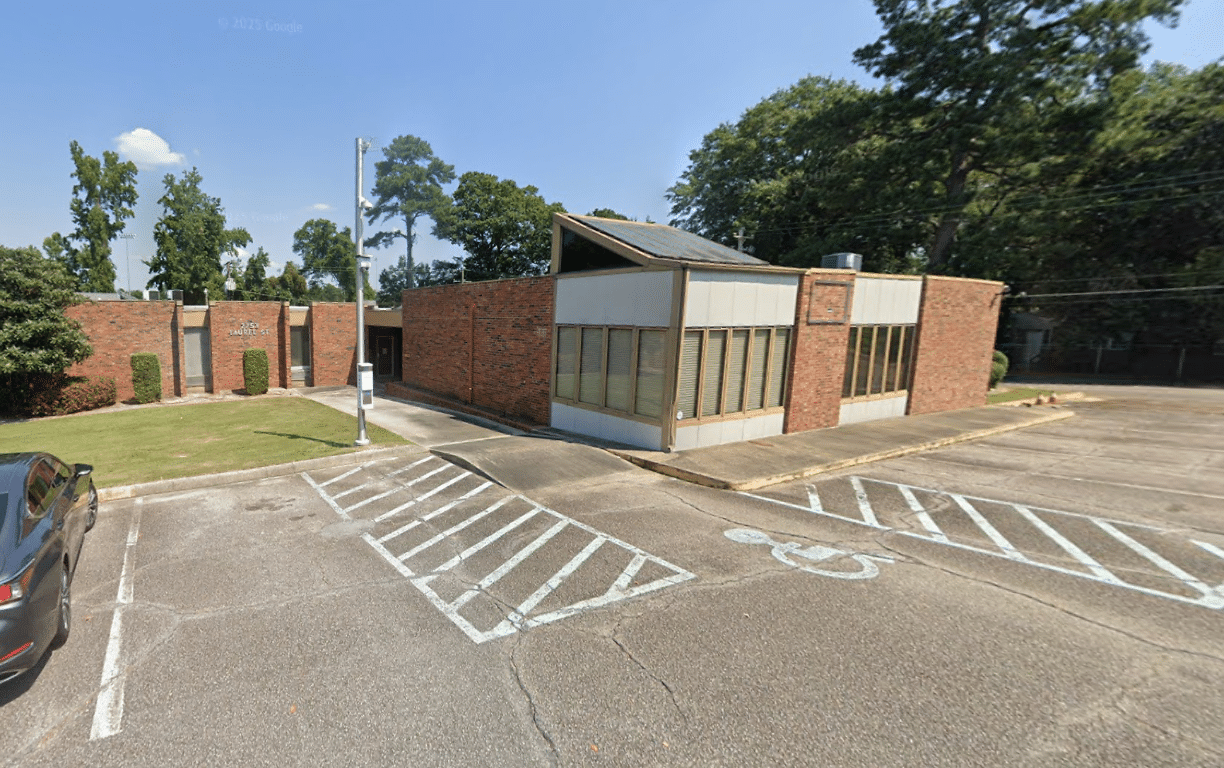
Objective Health, Columbia
Columbia / 2+ active studies
Celiac disease, fatty liver disease
Once called Columbia Digestive Health Research. Now it is part of the Objective Health network. Specifically, it runs gut and liver studies, including fatty liver trials.

Columbia Gastroenterology Associates
Columbia / Active studies
Digestive conditions
A long-running gut health practice. Also, it takes part in digestive trials around Columbia.
What to Expect in a Blood Pressure Study
New to studies? Here is how one works, step by step.
01
Prescreening
First comes a short phone call or online form. Also, it takes about 10 to 15 minutes. Then the staff check your readings and what you already take. Then they book a visit.
02
Screening Visit
Next the clinic takes careful seated readings, runs blood and urine tests, and usually fits a 24 hour monitor you wear home. Also, they go through the consent form line by line.
03
Treatment Period
Then the study begins. So you add the study drug or placebo to the medicines you already take. Meanwhile, the clinic tracks your readings, your potassium and your kidneys.
04
Follow-Up
Finally, there is a check-in period at the end. Meanwhile, your own doctor gets the results. Also, you can withdraw at any point without affecting your care.
Blood Pressure Trial FAQs
Real answers about hypertension studies near Columbia SC.
Are there blood pressure studies in Columbia itself?
Yes, all three of them. Also, two run at a research site in the 29203 area, and one runs at a separate site in 29205. So there is no drive to Charlotte or Charleston involved. Notably, one of the three has no other recruiting site in the Southeast.
Will I have to stop my current blood pressure medicine?
In two of the three, no. Instead, the study medicine is added on top of what you already take. However, the primary aldosteronism study is different. It asks you to stop spironolactone or a water pill like it before you start. Also, the clinic walks you through that carefully, and your own doctor is kept in the loop.
What is primary aldosteronism?
So it is a hormone problem in the adrenal glands that pushes blood pressure up. Also, it is far more common than doctors used to believe, and it is rarely tested for. Notably, one study here takes only people who already have that diagnosis. So if your numbers have never made sense, ask your doctor about testing for it.
Is there really an injection that lasts six months?
Yes. Zilebesiran is given at the clinic roughly twice a year, and you keep your normal tablets alongside it. So it works by quieting a gene involved in raising blood pressure. Also, it is a late stage study, so the drug is already well past its first tests in people. Half the group gets placebo injections.
What if my kidneys are also weak?
That may open a door rather than close one. Also, the kidney study wants kidney function between 30 and 75 with protein in the urine. Also, everybody in it gets a real kidney protecting drug, and the new tablet is tested on top. In short, being a complicated case helps here.
How many visits are we really talking about?
Also, the kidney study publishes its schedule in full, and it is 15 visits across about three years. Meanwhile, the aldosteronism study is roughly 10 to 12 across a year. The injection study is the loosest, because it runs until enough events happen. So check the visit line on each card before you decide.
How much do these studies pay?
Also, most pay around $100 per visit for your time and travel. However, the totals differ a lot because the visit counts do. The clinic gives you the exact figure and the full schedule before you sign anything. Also, ask about travel reimbursement, because some studies pay it on top.
Do I need insurance?
No. None of these require insurance. Also, the study medicine and study visits are provided at no cost. Also, you keep your own doctor throughout, and results are sent back to them.
What is a 24 hour monitor like?
So it is a cuff you wear for a day that takes readings on its own, including while you sleep. It squeezes every 20 to 30 minutes, so most people sleep worse that night. Still, it is far more honest than a single reading in a clinic room. Also, you get to see the results.
Where can I get blood pressure care near Columbia SC?
Also, Prisma Health runs primary care and cardiology across the Midlands. Also, ask for a home cuff and bring your own readings to the visit. Also, your primary care doctor can refer you to a hypertension specialist. Meanwhile, ask whether you have ever been tested for a hormone cause.
Ready to Explore a Study?
Check your eligibility, or just reach out to our Columbia team. No pressure. Also, no sales pitch.
← Back to All Clinical TrialsSources
- ZENITH zilebesiran cardiovascular outcomes study, ClinicalTrials.gov NCT07181109
- BaxPA baxdrostat primary aldosteronism study, ClinicalTrials.gov NCT07007793
- Baxdrostat and dapagliflozin kidney outcomes study, ClinicalTrials.gov NCT06742723
Study details and per-site recruiting status verified against ClinicalTrials.gov on August 15, 2026. Study availability and criteria change; the research clinic confirms everything before you enroll.