
COLUMBIA, SC
Diabetic Foot Ulcer Clinical Trials
No foot ulcer studies are enrolling in Columbia SC right now, and we would rather say so. However, 3 are open within about two hours, and the nearest pays for weekly visits. Free wound care, no insurance needed, and compensation for eligible participants.
0
In Columbia Today
3
Within Driving Distance
+/- $100
Per Visit
New here? Read how this page works
Here is the honest picture. No foot ulcer study is open in Columbia today. However, three are enrolling within about two hours, and the visits are weekly. So here is how to work through them.
- Read the three cards below. All three are in North Carolina, and each card lists the drive.
- Think about the weekly visit. These studies run about 12 weeks, so it is a drive you would make often.
- Open More details. Besides that, inside are the rules on ulcer size, how long it has been open, and your A1C.
- Put your name in either way. Finally, that is how we tell you when a study opens closer to Columbia.
Of course, checking never signs you up for anything. You are only seeing where you might fit.
The 3 Foot Ulcer Studies Nearest to Columbia
Notably, all three are open today, and all three are in North Carolina. So weigh the drive honestly, because the visits are weekly.
Enrolling now, within driving distance
None of these is in Columbia, so every one means a drive. The distance is inside each card, and the nearest is about an hour and a half.

Placental Tissue Grafts for a Wound That Will Not Close
Samaritan Biologics / Tissue graft
A thin graft made from donated birth tissue is laid on the ulcer once a week. Everyone also gets full standard wound care, so nobody is left with nothing.
Est. about $100 per visit. Ask the site for the total number of visits.
Check eligibility →More details
Why researchers are excited: these grafts are already used in wound clinics, but this study measures properly whether they close ulcers faster than good care alone.
Who this study is looking for
- Adults 18 and older with type 1 or type 2 diabetes
- Also, A foot ulcer that has been open between 4 weeks and a year
- Besides that, the ulcer measures about 1 to 20 square centimetres after cleaning
- Finally, enough blood flow in the leg, which the clinic checks with a simple scan
Probably not a fit if: the ulcer is infected right now, or the infection has reached the bone. Also, an A1C of 12 or higher rules you out.
- Placebo group: First, there is no sugar pill and no fake treatment. Instead, half get the graft plus standard care, and half get standard care alone.
- How long: 2 weeks of screening, then 12 weeks of treatment.
- Clinic visits: Weekly, and for the whole 12 weeks. So the ulcer gets measured and photographed every single week.
- Phone calls: Not published on the public record. But you are seen in person weekly anyway.
- Most invasive part: Basically, cleaning the wound, which can sting. Also, the graft is laid on top rather than stitched in.
- Setting: Outpatient.
- Where it runs: Monroe Biomedical Research, Monroe NC 28112.
- Drive from Columbia: Monroe is about 80 miles north, so roughly an hour and 25 minutes on US-521.
- Worth knowing: you must use the offloading boot or shoe they give you. In fact, that rule matters more to healing than the graft does.
- Full study record: View on ClinicalTrials.gov →

The ELITE Study, a Placental Tissue Dressing
Cellution Biologics / Tissue graft
Similarly, this one tests a dried placental tissue dressing against standard wound care alone. It is a late stage study, so the product is already in use and is being measured properly.
Est. about $100 per visit. Ask the site for the total number of visits.
Check eligibility →More details
Why researchers are excited: it is a phase 4 study, which means it is testing something already on the market rather than something brand new.
Who this study is looking for
- Adults 18 and older with type 1 or type 2 diabetes
- Also, A1C under 12
- Besides that, A foot ulcer open for at least 4 weeks, about 0.7 to 20 square centimetres
- Finally, willing to use the offloading boot and come to weekly visits
Probably not a fit if: the ulcer is infected, has reached the bone, or you are on dialysis or about to start.
- Placebo group: No sham dressing. So one group gets the tissue dressing plus standard care, and the other gets standard care alone.
- How long: About 12 weeks.
- Clinic visits: Weekly. Notably, the wound is photographed and measured at each one.
- Phone calls: Not published on the public record. So ask the clinic when you call.
- Most invasive part: Generally, wound cleaning and dressing changes. Still, no surgery and no overnight stays.
- Setting: Outpatient.
- Where it runs: Site 007, Mooresville NC 28117, plus a site in Rocky Mount NC.
- Drive from Columbia: Mooresville is about 120 miles north, so roughly two hours.
- Heads up: if you have had hyperbaric oxygen or a similar tissue product in the last 30 days, you would need to wait.
- Full study record: View on ClinicalTrials.gov →

CERAMENT G Registry, for Infection That Reached the Bone
BONESUPPORT AB / Device registry
This is for the harder case, where a foot ulcer has turned into a bone infection. Surgeons already use this bone paste, and the registry simply records how people do.
No study payment. It is a registry, not a paid trial.
See if you fit →More details
Why researchers are excited: bone infection is the step before amputation, so tracking what actually works there matters more than almost anything on this page.
Who this study is looking for
- Adults having surgery for a bone infection
- Also, diabetic foot bone infection, chronic bone infection, or infection after a fracture
- Besides that, your surgeon has already chosen to use this product
- Finally, treated at OrthoCarolina in Charlotte
Probably not a fit if: your ulcer has not reached the bone. In that case, the two studies above are the better fit.
- Placebo group: None at all. Instead, everybody gets the treatment their surgeon chose, and the registry just records what happens.
- How long: Followed for up to three years.
- Clinic visits: Simply your normal surgical follow up. So there are no extra study visits.
- Phone calls: Not published on the public record. So ask the clinic when you call.
- Most invasive part: Surgery, because the product is placed during an operation you were already having.
- Setting: Outpatient.
- Where it runs: OrthoCarolina, Charlotte NC 28207.
- Drive from Columbia: OrthoCarolina in Charlotte is about 95 miles north, so roughly an hour and 35 minutes on I-77.
- Be clear on this one: it does not pay, and it does not change your treatment. Instead, it records care you were getting anyway. We list it because it is the only one inside Charlotte.
- Full study record: View on ClinicalTrials.gov →
Not sure which one fits you?
First, answer a few quick questions about the ulcer. Then we check you against all 3 studies. Also, we tell you if one opens closer to Columbia.
See if I may fit one of these studies →What Is Actually Being Tested for Foot Ulcers
Three approaches, and the one rule that beats all of them.
Placental and Birth Tissue Grafts
Both drug studies on this page test the same broad idea. A thin sheet made from donated birth tissue is placed on the ulcer each week. The theory is that it gives your own cells a scaffold to grow across. These products are already used in wound clinics. However, good head to head evidence is thinner than most people assume, which is exactly why these studies exist.
Standard of Care Is Not Nothing
In both studies the comparison group still gets real wound care. That means cleaning the wound, dressings, infection control, and offloading. So there is no sham and no sugar pill here. In short, the worst case is that you get careful weekly wound care at no cost, which is more attention than most ulcers get.
Offloading Is the Part That Actually Heals It
Every one of these studies requires you to use a boot, cast, or special shoe. That is not paperwork. Pressure is what keeps a foot ulcer open, so taking the pressure off is the treatment. Notably, both studies will exclude you if a past amputation left a deformity that makes proper offloading impossible. Basically, the graft is the experiment and the boot is the foundation.
When the Infection Reaches the Bone
An ulcer that gets down to bone is a different problem, and it is more serious. That is what the registry at OrthoCarolina tracks. It does not pay, and it does not change what your surgeon does. Still, bone infection is the step before amputation, so it is worth knowing the option exists.
Why Weekly Visits Are the Real Difference
Most study pages talk about pay per visit and leave it there. Here the visits are weekly for about 12 weeks, which is unusual. As a result, the wound is measured and photographed every week by someone whose job is to watch it. Meanwhile, a normal clinic might see the same ulcer once a month. That difference in attention is worth as much as the compensation.
Research Sites Near Columbia
None of them runs a wound study today. But sites add new studies all the time. So it is worth knowing what sits near you.
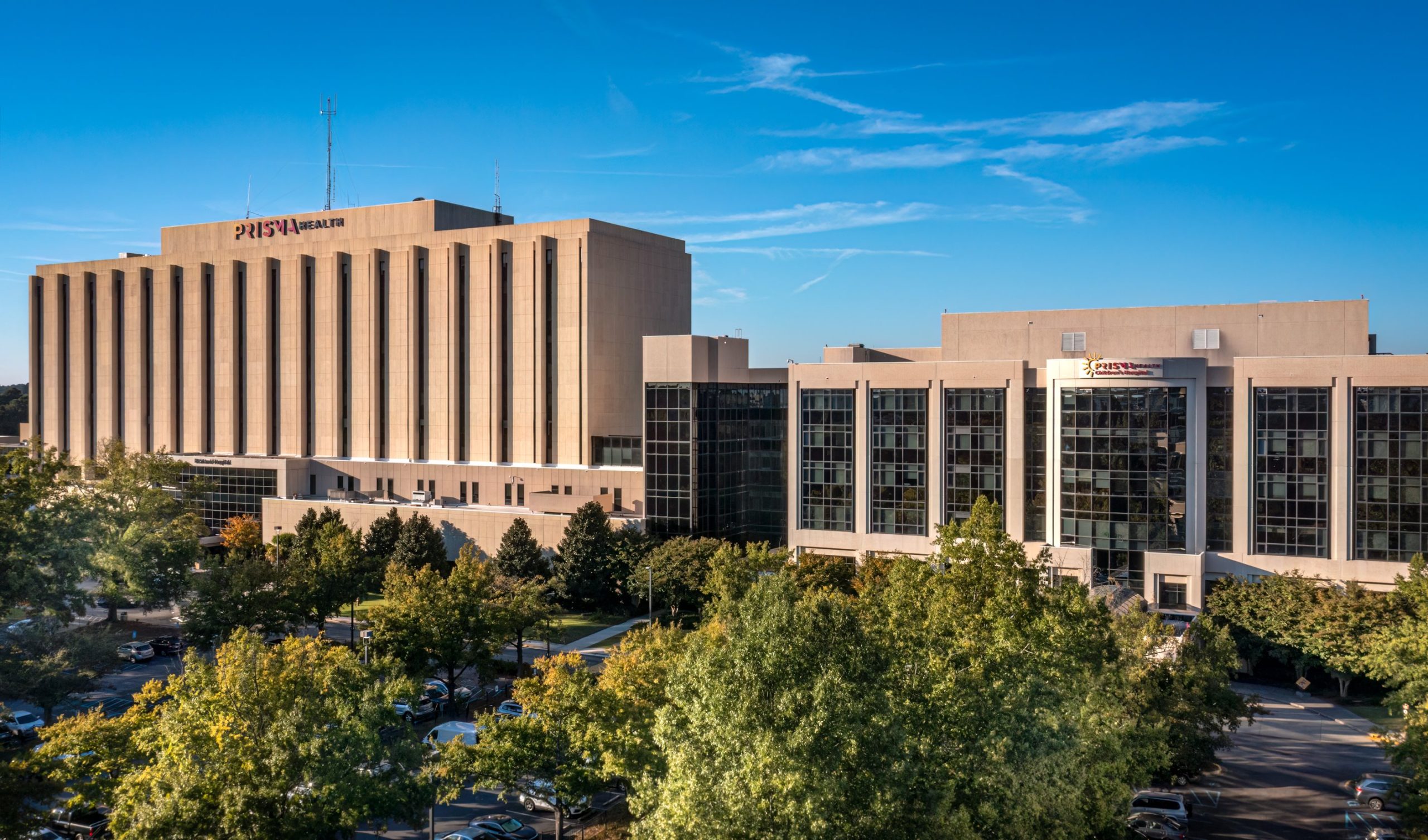
Prisma Health Richland Hospital
Downtown Columbia / 37+ active studies
Cancer, blood disorders, broad hospital research
The flagship Prisma Health hospital in the Midlands. Also, by far the biggest trial operation in the Columbia metro.
Visit Website →
University of South Carolina
Columbia / 27+ active studies
Stroke recovery, physical activity, community health
Notably, a research university that runs federally funded health studies across the Midlands. Specifically, topics range from stroke rehab to disease prevention.
Visit Website →
Bogan Sleep Consultants
Columbia / 7+ active studies
Narcolepsy, sleep disorders
One of the best known private sleep research sites in the Southeast. Also, it has run sleep trials for decades.
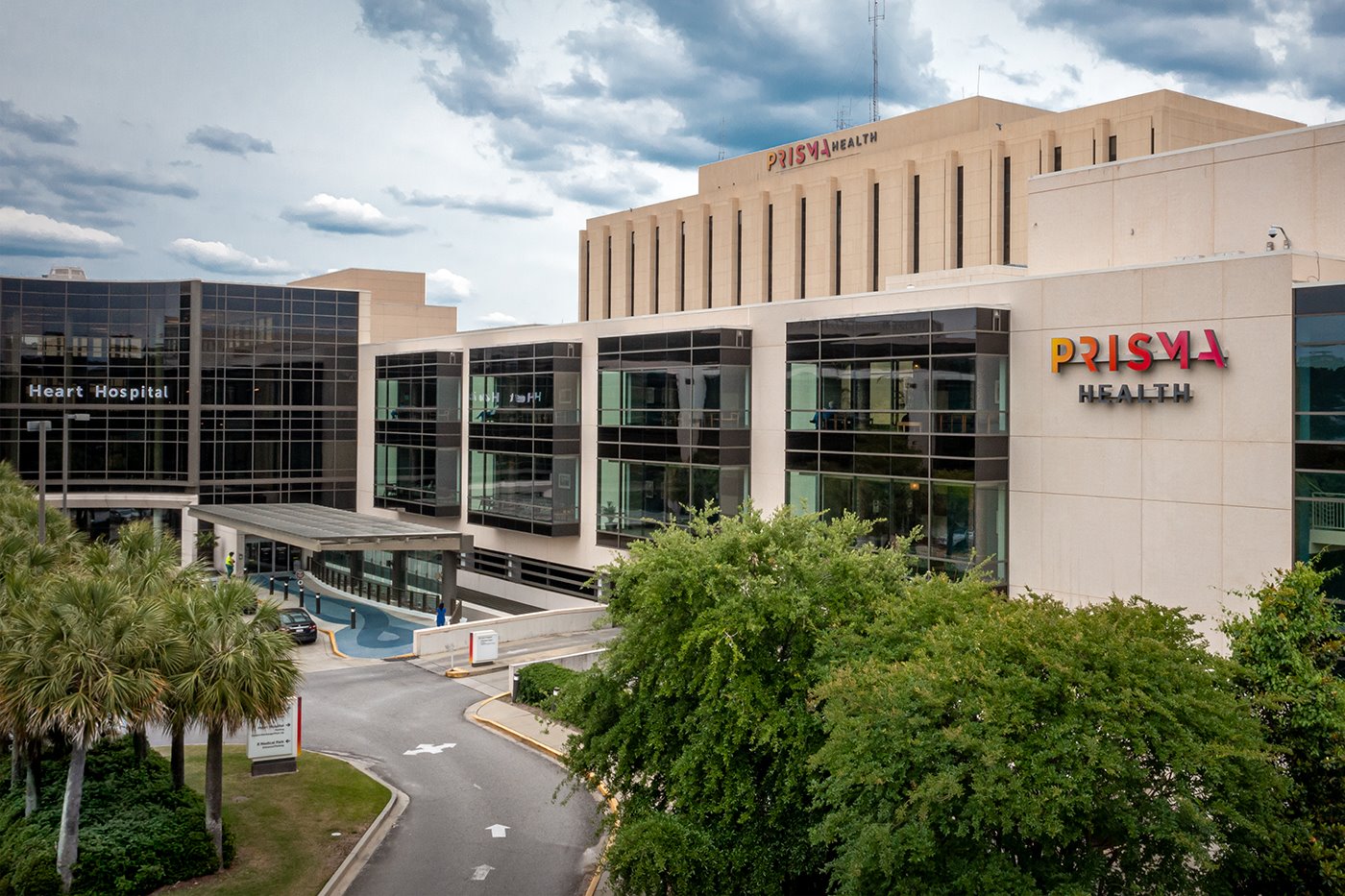
Prisma Health Midlands Cardiovascular
Columbia / 4+ active studies
Cardiovascular disease, heart failure
The heart and vessel research arm of Prisma Health in the Midlands. So it is the natural home for cholesterol trials in Columbia.
Visit Website →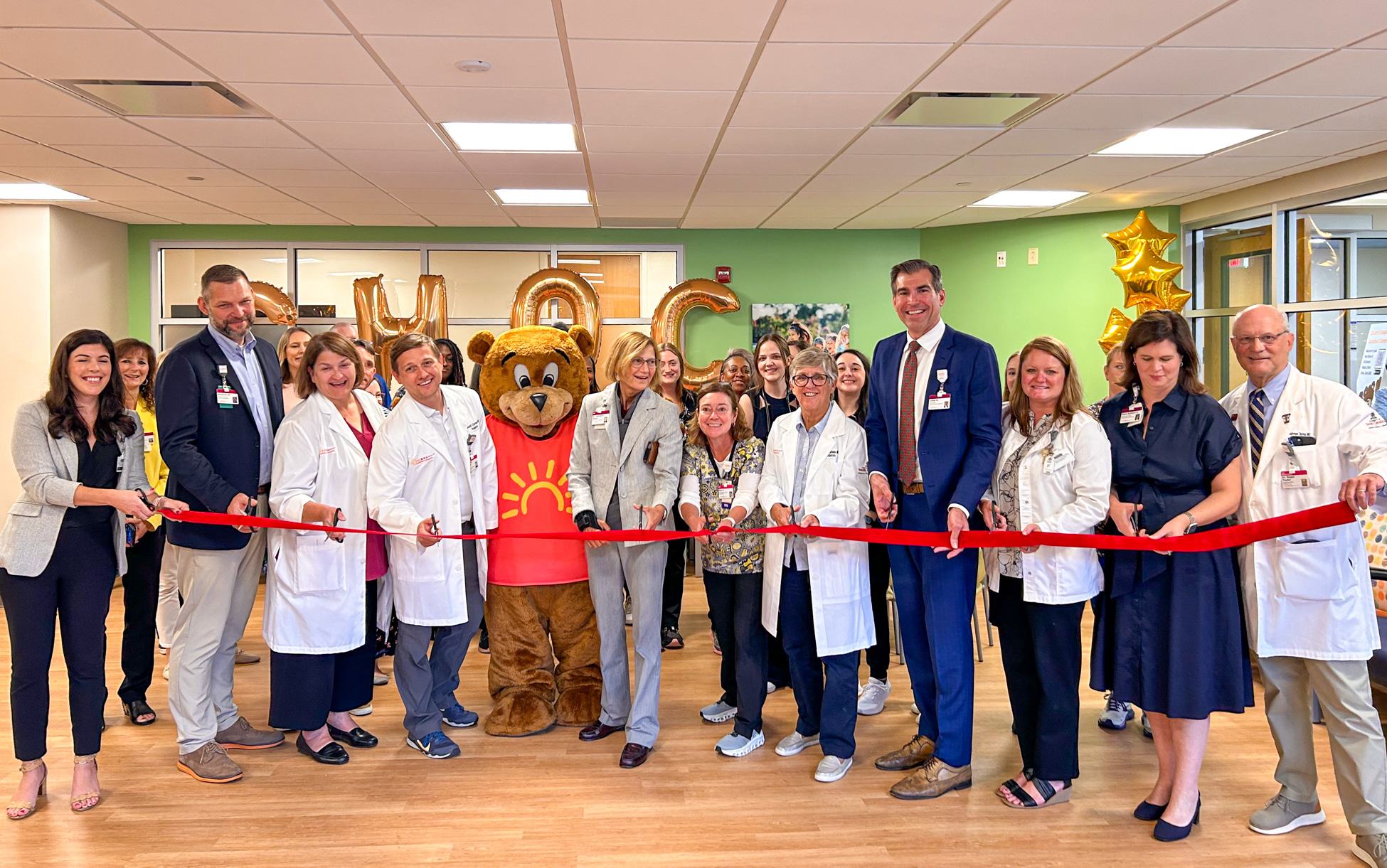
Prisma Health Children’s Hospital, Midlands
Columbia / 4+ active studies
Pediatric growth, cystic fibrosis
Basically, the Midlands hub for children’s research inside the Prisma Health system.
Visit Website →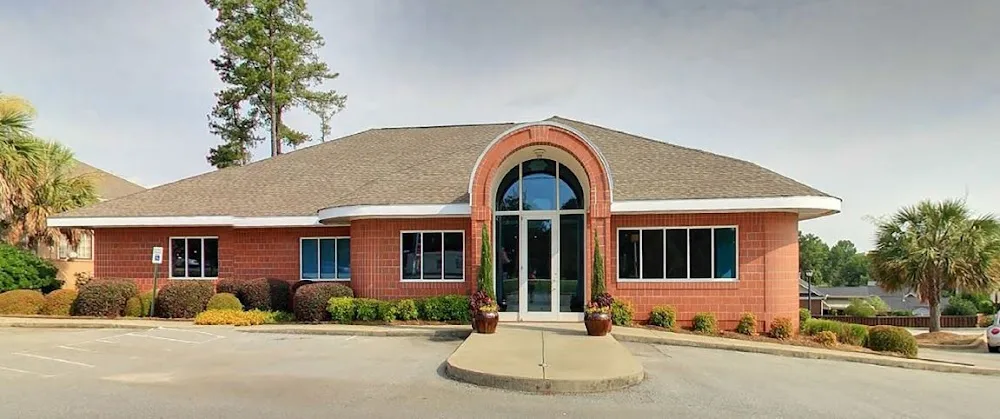
Columbia Dermatology & Aesthetics
Columbia / 4+ active studies
Hidradenitis suppurativa, psoriasis, obesity
A skin care practice with its own research team. It runs both skin and weight studies.
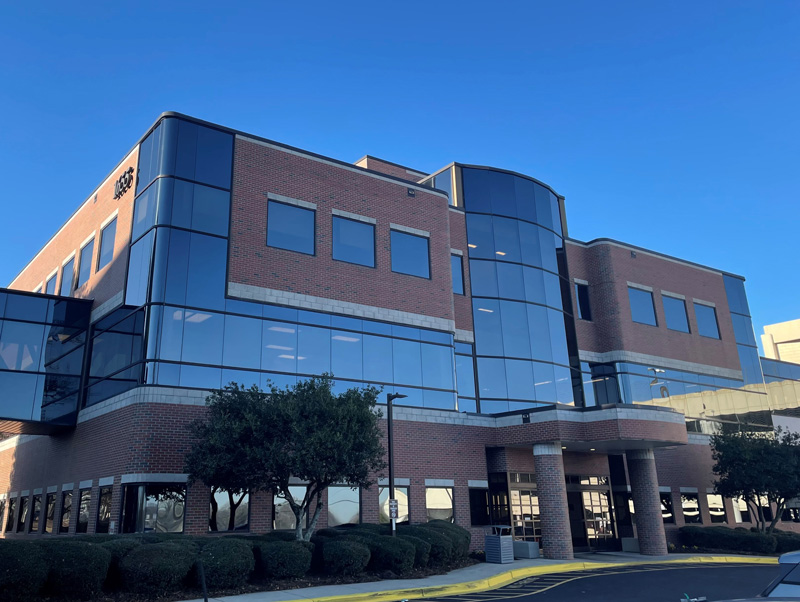
Velocity Clinical Research, Columbia
Columbia / Multiple active studies
COPD, skin conditions, vaccines
Part of one of the biggest research site networks in the country. Besides, it is just the kind of site the huge outcome trials lean on.
Visit Website →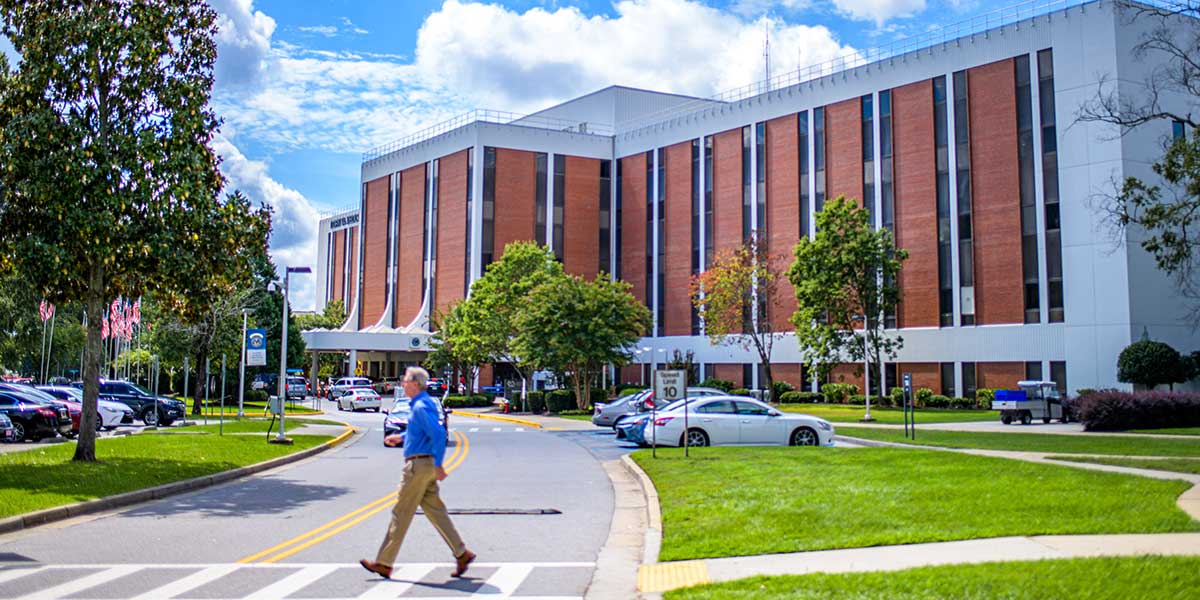
Wm. Jennings Bryan Dorn VA Medical Center
Garners Ferry Road, Columbia / 2+ active studies
Atherosclerosis, liver disease
Columbia’s VA medical center runs studies, including ones on clogged arteries. For veterans, it is often the first door.
Visit Website →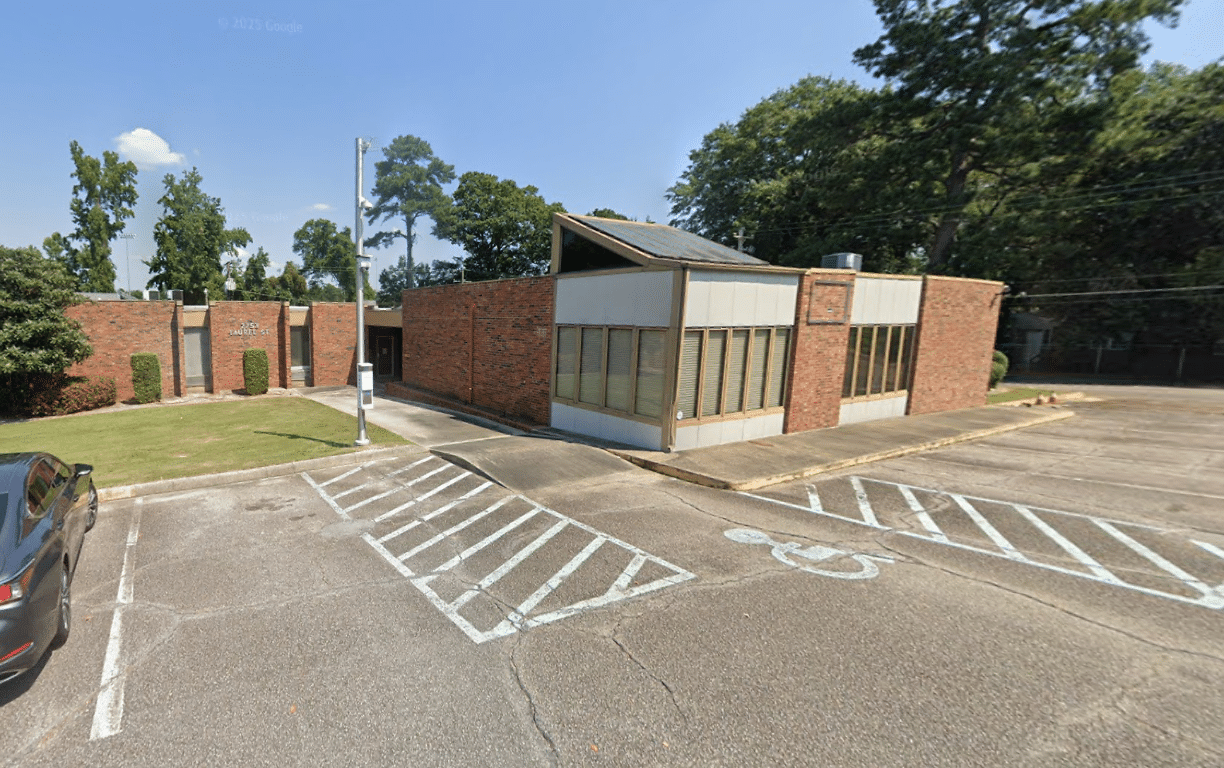
Objective Health, Columbia
Columbia / 2+ active studies
Celiac disease, fatty liver disease
Once called Columbia Digestive Health Research. Now it is part of the Objective Health network. Specifically, it runs gut and liver studies, including fatty liver trials.
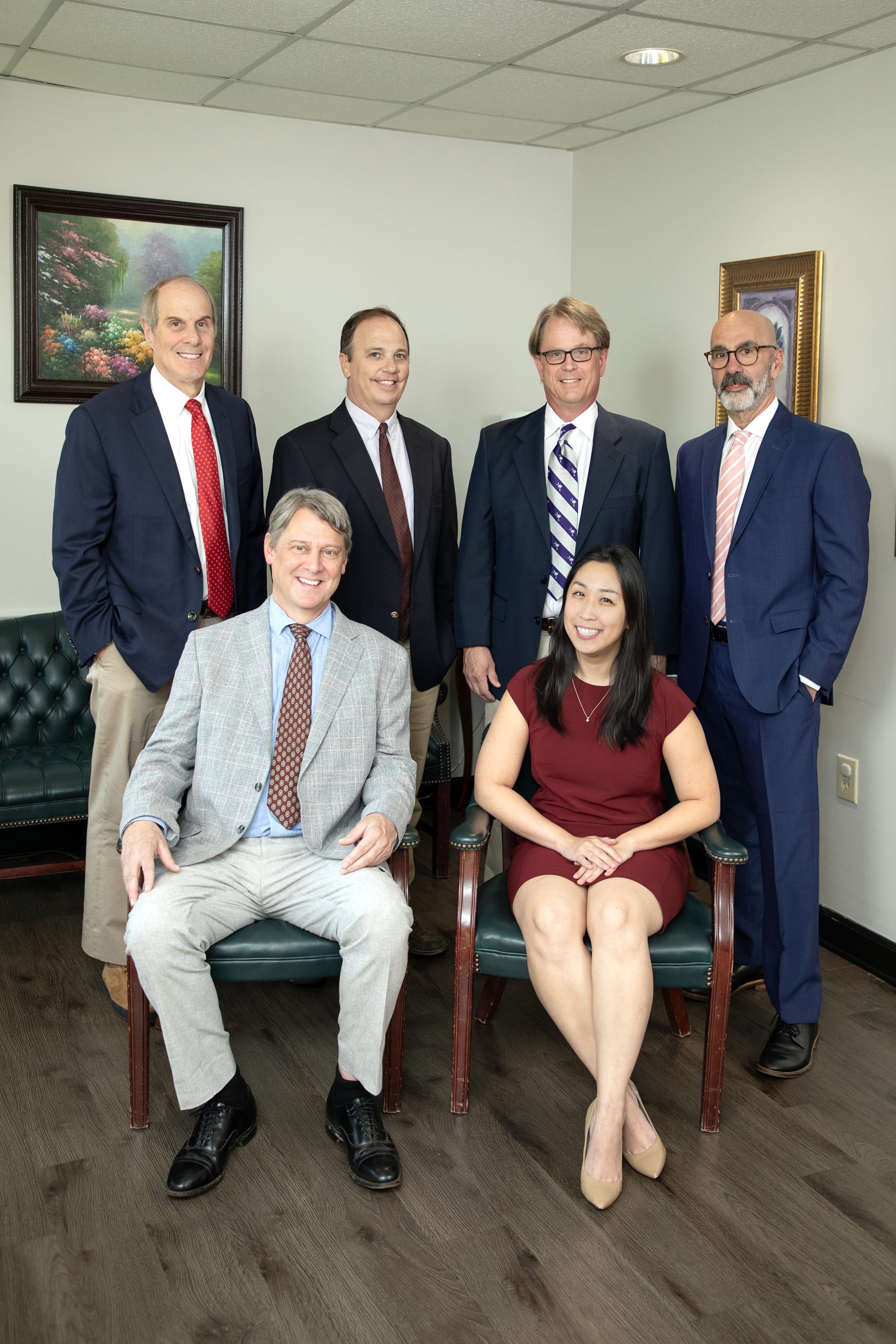
Columbia Gastroenterology Associates
Columbia / Active studies
Digestive conditions
A long-running gut health practice. Also, it takes part in digestive trials around Columbia.
What to Expect in a Wound Study
New to studies? Here is how one works, step by step.
01
Prescreening
First comes a short phone call or online form. It takes about 10 to 15 minutes. The staff check the basics, like how long the ulcer has been open. Then, if it fits, they book your first visit.
02
Screening Visit
Next the clinic measures and photographs the ulcer, checks blood flow in your leg, and runs an A1C. Also, they fit your offloading boot. There is then a two week run in on standard care.
03
Weekly Treatment
Then you come in once a week for about 12 weeks. The wound is cleaned, treated, measured, and photographed each time. Meanwhile, you keep using the boot between visits.
04
Closure and Follow-Up
Finally, the study ends when the ulcer closes or the 12 weeks are up. The clinic hands your results back to your own doctor. Also, you can stop at any point.
Diabetic Foot Ulcer Trial FAQs
Real answers about diabetic foot ulcer studies near Columbia SC.
Is there a foot ulcer study in Columbia right now?
No, and we would rather tell you plainly. Three are enrolling in North Carolina, and the nearest is in Monroe, about an hour and 25 minutes north. However, these studies need weekly visits, so the drive is the real question. Meanwhile, putting your name in means we call you when one opens closer.
Is the drive worth it for a weekly visit?
That is the honest question, and it depends on you. You would make the trip about 12 times over three months. However, some studies reimburse travel on top of the per visit payment. So ask the clinic about travel specifically, because the answer varies.
How much do foot ulcer studies pay?
Most pay around $100 per visit, and here the visits are weekly. So a 12 week study adds up differently than one with a visit every few months. However, the registry at OrthoCarolina does not pay, because it only records care you were already having. The clinic gives you the full schedule up front.
Will I get a placebo instead of real treatment?
No, and this is the best part of wound studies. Neither study uses a sham dressing or a sugar pill. Instead, one group gets the tissue graft plus full standard wound care, and the other gets full standard wound care alone. So the worst case is careful weekly wound care at no cost.
How long does my ulcer need to have been open?
At least 4 weeks, and generally less than a year. That window exists because a brand new sore may still close on its own. Meanwhile, a wound open longer than a year behaves differently. So if yours is around a month old and not improving, this is the moment to ask.
What if my ulcer is infected?
Then you would not be able to join right now. Both studies exclude an ulcer that is infected, and both exclude infection that has reached the bone. However, that is a treatment issue rather than a permanent no. Get the infection cleared, and you may be able to screen afterward.
What is offloading, and do I have to do it?
Offloading means taking your weight off the wound with a boot, a cast, or a special shoe. Yes, it is required, and the study provides it. In fact, it does more for healing than anything applied on top. So if you are not willing to wear it, these studies are not a good fit.
Do I need insurance?
No. The study treatment, the weekly wound care, and the offloading device cost you nothing. Also, no insurance is needed to take part. That matters here, because weekly wound care is expensive to keep up otherwise.
Was there ever a study closer to Columbia?
Yes, and that is worth knowing. Four foot ulcer studies have run in the Columbia area over the years, but none is enrolling now. Also, one of the studies on this page has a South Carolina site at Hilton Head that has stopped taking new people. So the region does get them, just not at this moment.
Where can I get wound care near Columbia SC?
Prisma Health runs wound care services across the Midlands. Also, a podiatrist can fit proper offloading, which is the part most often skipped. Your primary care doctor can refer you to either. Meanwhile, ask for a blood flow check on the leg, because poor circulation changes the whole plan.
Ready to Explore a Study?
Check your eligibility, or just reach out to our Columbia team. No pressure. Also, no sales pitch.
← Back to All Clinical TrialsSources
- Perinatal tissue allograft study for non-healing diabetic foot ulcers, ClinicalTrials.gov NCT06437028
- ELITE dehydrated placental tissue study, ClinicalTrials.gov NCT07014176
- CERAMENT G Device Registry, ClinicalTrials.gov NCT06010433
Study details and site status verified against ClinicalTrials.gov on August 15, 2026. On that date no foot ulcer study was enrolling in the Columbia metro. Study availability and criteria change; the research clinic confirms everything before you enroll.