
COLUMBIA, SC
Weight Loss Clinical Trials
Looking for paid clinical trials for obesity or weight loss near Columbia SC? Right now, 2 studies are preparing to open here, and 8 more are enrolling within about two hours. You may be compensated for your time, and no insurance is needed.
Tether is a nonprofit directory. Basically, we do not run studies. Besides, we are not paid to refer you.
2
Opening in Columbia
8
Within Driving Distance
+/- $100
Per Visit
New here? Read how this page works
Here is the honest picture. No obesity study is enrolling inside Columbia today. However, two are registered here and may open shortly, and eight more are open within a drive. So here is the simplest way to work through them.
- Start with the two Columbia studies. Neither is open yet. Still, checking now puts you first in line.
- Then look at the driving distance studies. Each card lists the drive from Columbia, so you can judge it for yourself.
- Open "Who it's for, and what to expect." Inside, you will find the rules for joining. Also, you will see how often you would visit.
- Tap "Check eligibility" on the study that fits you best. Not sure which one? Then use the button at the top instead, and we will check you against all 10 at once.
- We send you your results. Along with them, you get the name and number of each clinic. Finally, you call the clinic yourself if you want to join.
Of course, checking never signs you up for anything. You are only seeing where you might fit.
The 10 Studies Nearest to Columbia Right Now
Two are preparing to open in Columbia. Meanwhile, eight more are enrolling today within about two hours. So check your eligibility, or read the full record on ClinicalTrials.gov.
Opening soon, right here in Columbia
Both of these have a registered Columbia site. Neither has opened yet, though. So checking now simply puts you in line for the day they start.

ASC30, a Daily Pill for Weight (AURORA-1)
Ascletis Pharma / Drug
This study has a registered site here in Columbia. However, it has not opened its doors yet. The record lists a start of August 2026, so it may begin enrolling very soon. ASC30 is a tablet you swallow once a day rather than a shot you inject. It is aimed at adults who carry extra weight but do not have diabetes. Checking your eligibility now simply puts you in line for the day it opens.
Why researchers are excited: it would be the first obesity study to enrol inside Columbia itself, rather than an hour or more down the road.
Est. about $100 per visit. Ask the site for the total number of visits.
Check eligibility early →Who it's for, and what to expect
Who this study is looking for
- Adults 18 and older, with no upper age limit listed
- Also, BMI of 30 or higher, or 27 and higher with high blood pressure, high cholesterol, sleep apnea, or heart disease
- Besides that, at least one diet attempt that did not work
- Finally, no diabetes of any kind
Probably not a fit if: you have ever been diagnosed with diabetes. However, past gestational diabetes is specifically allowed.
- Placebo group: Three doses of ASC30 are compared against a placebo. But the exact odds are not published, so ask the clinic.
- How long: Weight is measured at week 72, so plan on well over a year.
- Clinic visits: Not published on the public record. So ask the clinic when it opens.
- Phone calls: Also not published. Generally, studies this size add check in calls.
- Most invasive part: Blood draws and body measurements. Still, the drug is a pill, so there are no injections.
- Where it runs: Specifically, AURORA-1 Clinical Site, Columbia SC 29204, plus sites in Bluffton and Clemson.
- Status, plainly: this site is registered but not yet recruiting. So nobody can enrol today, and we will not pretend otherwise.
- Full study record: View on ClinicalTrials.gov →

The Same Daily Pill, With Type 2 Diabetes (AURORA-2)
Ascletis Pharma / Drug
This is the companion study to the one above, and it also has a Columbia site waiting to open. Specifically, it tests the same once daily ASC30 tablet in people who already have type 2 diabetes. Weight and blood sugar move together, so researchers want to treat them together. The BMI bar is lower here than in most obesity studies. Basically, if you have type 2 diabetes and carry extra weight, this one is worth watching.
Why researchers are excited: the BMI requirement is only 27, which is lower than nearly every other study on this page.
Est. about $100 per visit. Ask the site for the total number of visits.
Check eligibility early →Who it's for, and what to expect
Who this study is looking for
- Adults 18 and older
- Also, BMI of 27 or higher, with no comorbidity needed
- Besides that, type 2 diabetes with an A1C above 6.5 and up to 10.5
- Finally, at least one diet attempt that did not work
Probably not a fit if: you have type 1 diabetes, or any diabetes type other than type 2, or a history of pancreatitis.
- Placebo group: Three doses of ASC30 are compared against a placebo. However, the ratio is not published.
- How long: Weight is measured at week 72.
- Clinic visits: Not published on the public record. So ask the clinic when it opens.
- Phone calls: Also not published. Generally, studies this size add check in calls.
- Most invasive part: Blood draws, including A1C testing. But there are no injections, because the drug is a tablet.
- Where it runs: Specifically, AURORA-2 Clinical Site, Columbia SC 29204, plus sites in Bluffton, Clemson, and Gaffney.
- Status, plainly: registered in Columbia, but not yet recruiting. So this is one to watch, not one to join today.
- Full study record: View on ClinicalTrials.gov →
Enrolling now, within driving distance
These are open today. However, none of them is in Columbia, so every one means a drive. The distance is listed inside each card, and the shortest is about an hour and 20 minutes.

A Daily Pill for Weight and Type 2 Diabetes (ACCOMPLISH-2)
Structure Therapeutics / Drug
This is the closest study to Columbia that is actually enrolling right now. It tests aleniglipron, a once daily pill, in people who have type 2 diabetes along with extra weight. The drug reaches the same GLP-1 target as Wegovy and Zepbound. However, it is small enough to swallow rather than inject. You keep seeing your own diabetes doctor throughout.
Why researchers are excited: it is the nearest enrolling obesity study to Columbia today, and it is a pill rather than a shot.
Est. about $100 per visit. Ask the site for the total number of visits.
Check eligibility →Who it's for, and what to expect
Who this study is looking for
- Adults 18 to 79
- Also, BMI of 27 or higher
- Besides that, type 2 diabetes with an A1C between 6.5 and 10
- Finally, comfortable taking a pill every day
Probably not a fit if: you have type 1 diabetes, or you had a severe low blood sugar episode in the last 6 months.
- Placebo group: Some people get a placebo. However, the odds are not published on the study record.
- How long: About 76 weeks, so roughly a year and a half.
- Clinic visits: Not published on the public record. So ask the clinic when you call.
- Phone calls: Also not published. Generally, studies this size add check in calls.
- Most invasive part: Blood draws, including A1C testing. Still, no surgery and no overnight stays.
- Where it runs: Specifically, ACCOMPLISH-2 Research Site, Greer SC 29651.
- Drive from Columbia: Greer is about 100 miles west, so roughly an hour and 35 minutes on I-26.
- Worth knowing: the companion study for people without diabetes is not open in Greer. So this one is specifically for people with type 2 diabetes.
- Full study record: View on ClinicalTrials.gov →

Eloralintide, a Weekly Shot That Is Not a GLP-1 (ENLIGHTEN-1)
Eli Lilly / Drug
Eloralintide copies amylin, a fullness hormone, rather than GLP-1. Because it takes a different route, early results suggest much less nausea. In the phase 2 study, the highest dose produced about 20 percent weight loss over 48 weeks. That is in the same range as the leading shots people already know. So this larger study is checking whether the result holds.
Why researchers are excited: it may match GLP-1 weight loss with far less nausea, which is the main reason people quit these drugs.
Est. about $100 per visit. Ask the site for the total number of visits.
Check eligibility →Who it's for, and what to expect
Who this study is looking for
- Adults 18 and older
- Also, BMI of 30 or higher, or 27 and higher with high blood pressure, high cholesterol, sleep apnea, or heart disease
- Besides that, weight stable within 5 percent for 90 days
- Finally, at least one diet attempt that did not work
Probably not a fit if: you have diabetes, or you have taken any weight loss medicine in the last 90 days.
- Placebo group: Some people get a placebo. However, the ratio is not published on the study record.
- How long: About 75 weeks. Notably, people with prediabetes continue for 2 more years after that.
- Clinic visits: Not published on the public record. So ask the clinic when you call.
- Phone calls: Also not published. Generally, studies this size add check in calls.
- Most invasive part: Blood draws, plus a weekly shot you give yourself under the skin.
- Where it runs: Specifically, Monroe Biomedical Research, Monroe NC 28112.
- Drive from Columbia: Monroe is about 75 miles north, so roughly an hour and 20 minutes.
- What experts say:
- “[Eloralintide] produced clinically meaningful dose-dependent reductions in weight over 48 weeks among adults with overweight and obesity with an acceptable tolerability profile, particularly when you use dose escalation.” Harold E. Bays, MD, Louisville Metabolic and Atherosclerosis Research Center (Healio)
- “The dose escalation that appeared to be most favorable, at least in the context of what we studied, would be the 3 mg, 6 mg, 9 mg pathway.” Harold E. Bays, MD, on why the ramp up schedule matters (Healio)
- Full study record: View on ClinicalTrials.gov →

Cagrilintide, for People Who Could Not Tolerate a GLP-1
Novo Nordisk / Drug
Many people start a GLP-1 drug and quit within months because of nausea and vomiting. This study was built specifically for those people. Cagrilintide works on amylin instead, so the stomach side effects tend to be milder. To join, you need a documented history of stopping a GLP-1 because of gut side effects. In short, this is the study for people the current drugs already failed.
Why researchers are excited: it is one of very few studies designed for people who tried a GLP-1 and could not stay on it.
Est. about $100 per visit. Ask the site for the total number of visits.
Check eligibility →Who it's for, and what to expect
Who this study is looking for
- Adults 18 and older
- Also, BMI of 30 or higher
- Besides that, A documented history of stopping a GLP-1 because of stomach or gut side effects
- Finally, not suitable to restart a GLP-1 drug
Probably not a fit if: you have used a GLP-1 or any weight medicine in the last 8 weeks, or you have diabetes.
- Placebo group: There is a matching placebo group. However, the ratio is not published on the study record.
- How long: About 8 months.
- Clinic visits: Not published on the public record. So ask the clinic when you call.
- Phone calls: Also not published. Generally, studies this size add check in calls.
- Most invasive part: Blood draws, plus an injection under the skin.
- Where it runs: Specifically, Monroe Biomedical Research, Monroe NC 28112.
- Drive from Columbia: Monroe is about 75 miles north, so roughly an hour and 20 minutes.
- What experts say:
- “These data highlight the exciting potential of cagrilintide to offer an alternative approach for people to lose weight, achieve health-related outcomes and manage their obesity, including a favorable tolerability profile” Timothy Garvey, MD, University of Alabama at Birmingham (BioSpace)
- Full study record: View on ClinicalTrials.gov →

ERX1000, an Older Idea Tried a New Way
ERX Pharmaceuticals / Drug
Your body makes a hormone called leptin that signals when you have eaten enough. In obesity, the brain often stops listening to that signal. ERX1000 is an oral drug meant to make the brain sensitive to leptin again. That is a completely different route from every GLP-1 drug on the market. However, this is early work, so it is small and it focuses mainly on safety.
Why researchers are excited: it targets leptin resistance, which no approved weight drug addresses today.
Est. about $100 per visit. Ask the site for the total number of visits.
Check eligibility →Who it's for, and what to expect
Who this study is looking for
- Adults 18 to 60
- Also, BMI above 30 and below 50
- Besides that, body weight under 350 pounds, because of the scanner limit
- Finally, stable weight and diet for 3 months
Probably not a fit if: you have diabetes, or you took any weight loss drug in the last 3 months, or you have had weight loss surgery.
- Placebo group: Some people get a placebo. But the ratio is not published on the study record.
- How long: 24 weeks of treatment, and 28 weeks in total.
- Clinic visits: Not published on the public record. So ask the clinic when you call.
- Phone calls: Also not published. Generally, studies this size add check in calls.
- Most invasive part: A DXA body scan, plus heart tracings and fasting blood draws. Still, the drug is a pill.
- Where it runs: Specifically, Monroe Biomedical Research, Monroe NC 28112.
- Drive from Columbia: Monroe is about 75 miles north, so roughly an hour and 20 minutes.
- Worth knowing: only 80 people are enrolling nationwide. So spots go quickly.
- Full study record: View on ClinicalTrials.gov →

A Daily Pill for Weight, Without Diabetes (ACCOMPLISH-1)
Structure Therapeutics / Drug
This is the companion to the Greer study higher up the page. However, this one is for adults who do not have diabetes, and the nearest open site is in Charlotte. Aleniglipron is a pill taken once a day rather than a weekly injection. It reaches the same GLP-1 target as the well known shots. Basically, it asks whether a pill can hold weight off across about a year and a half.
Why researchers are excited: a daily pill removes the needle, the cold storage, and much of the cost that puts these drugs out of reach.
Est. about $100 per visit. Ask the site for the total number of visits.
Check eligibility →Who it's for, and what to expect
Who this study is looking for
- Adults 18 to 79
- Also, BMI of 30 or higher, or 27 and higher with a weight related condition
- Besides that, at least one diet attempt that did not work
- Finally, no diabetes of any type
Probably not a fit if: you have diabetes, or you have had weight loss surgery.
- Placebo group: Some people get a placebo. However, the odds are not published on the study record.
- How long: About 76 weeks.
- Clinic visits: Not published on the public record. So ask the clinic when you call.
- Phone calls: Also not published. Generally, studies this size add check in calls.
- Most invasive part: Blood draws and body measurements. But no surgery, and no overnight stays.
- Where it runs: Specifically, ACCOMPLISH-1 Research Site, Charlotte NC 28210.
- Drive from Columbia: Charlotte is about 90 miles north, so roughly an hour and a half on I-77.
- Known side effects: in the earlier phase 2 study, about 1 in 10 people stopped because of side effects. Notably, nausea was the most common reason.
- Full study record: View on ClinicalTrials.gov →

Enicepatide for Weight and Type 2 Diabetes (Enith2)
Hoffmann-La Roche / Drug
Roche is testing a once weekly injection called enicepatide. This study enrols people who have type 2 diabetes alongside obesity or extra weight. It is a large late stage study, with more than 1,500 people expected worldwide. The nearest open site sits in North Charleston. So it is a real option if you are already travelling that way.
Why researchers are excited: it is one of the largest late stage studies running in South Carolina for weight and diabetes together.
Est. about $100 per visit. Ask the site for the total number of visits.
Check eligibility →Who it's for, and what to expect
Who this study is looking for
- Adults with obesity or overweight
- Also, type 2 diabetes alongside the extra weight
- Besides that, full criteria are not published in detail, so the clinic confirms them with you
Probably not a fit if: the public record does not list the exclusions in detail. So the clinic walks you through them before anything is signed.
- Placebo group: There is a placebo group. However, the ratio is not published on the study record.
- How long: Started in March 2026, and it runs into 2028.
- Clinic visits: Not published on the public record. So ask the clinic when you call.
- Phone calls: Also not published. Generally, studies this size add check in calls.
- Most invasive part: Blood draws, plus a weekly injection under the skin.
- Where it runs: Specifically, Coastal Carolina Research Center, North Charleston SC 29405.
- Drive from Columbia: North Charleston is about 105 miles southeast, so roughly an hour and 40 minutes on I-26.
- Full study record: View on ClinicalTrials.gov →

A Monthly Shot for People With Heart Disease (MARITIME-CV)
Amgen / Drug
Maridebart cafraglutide is built to last far longer than a weekly shot. This study asks a bigger question than weight alone. Specifically, it asks whether losing weight on this drug prevents a second heart attack or stroke. You need a history of heart disease to join, and you must be 45 or older. Because it tracks real heart events, it runs for several years.
Why researchers are excited: it is one of the first studies asking whether a weight drug prevents a second heart attack, not just moves the scale.
Est. about $100 per visit. Ask the site for the total number of visits.
Check eligibility →Who it's for, and what to expect
Who this study is looking for
- Adults 45 and older
- Also, BMI of 27 or higher
- Besides that, A past heart attack, a past stroke, or peripheral artery disease with symptoms
- Finally, type 2 diabetes is allowed
Probably not a fit if: you had a heart attack, stroke, or heart surgery in the last 60 days, or you took a GLP-1 in the last 90 days.
- Placebo group: About half of people get a placebo. But everyone stays on their regular heart medicines throughout.
- How long: Several years. It runs until enough heart events are recorded, and pay continues the whole time.
- Clinic visits: Not published on the public record. So ask the clinic when you call.
- Phone calls: Also not published. Generally, studies this size add check in calls.
- Most invasive part: Blood draws, plus an injection. Still, no surgery and no overnight stays.
- Where it runs: Specifically, Accellacare Charleston, Mount Pleasant SC 29464.
- Drive from Columbia: Mount Pleasant is about 120 miles southeast, so roughly two hours.
- What experts say:
- “These data demonstrate the potential for once monthly or less frequent dosing and are particularly encouraging as we seek sustainable, long-term treatments for people living with obesity, with and without Type 2 diabetes.” Ania Jastreboff, MD, PhD, Yale School of Medicine (Amgen)
- “What's unusual is this substudy arm used a nausea and vomiting questionnaire developed for patients getting chemotherapy. We want more people to be able to tolerate these drugs.” Donna H. Ryan, MD, Pennington Biomedical Research Center (ADA Meeting News)
- Full study record: View on ClinicalTrials.gov →

Two New Weight Drugs, Alone or Together (SOLIS-1)
Pfizer / Drug
Pfizer is testing two experimental weight medicines inside one study. Some people get one drug, some get the other, and some get both together. This design is called an umbrella study, and it compares several options at once. As a result, more people receive an active drug than in a simple two group study. However, the nearest site is a long drive, so weigh that honestly.
Why researchers are excited: because several active arms run at once, your odds of getting a real drug rather than placebo are better than usual.
Est. $400 or so, across about 4 visits.
Check eligibility →Who it's for, and what to expect
Who this study is looking for
- Adults 18 and older
- Also, BMI between 30 and 50
- Besides that, A BMI of 27 to 30 also counts if you have high blood pressure, high cholesterol, heart disease, or sleep apnea
- Finally, stable weight for the last 3 months
Probably not a fit if: you have diabetes, or you have taken a weight loss medication in the last 12 weeks.
- Placebo group: There is a placebo group. But because several active arms run at once, more people receive an active drug.
- How long: About 48 weeks of treatment, then follow up to week 70.
- Clinic visits: Not published on the public record. So ask the clinic when you call.
- Phone calls: Also not published. Generally, studies this size add check in calls.
- Most invasive part: Blood draws and body measurements. Also, the drugs are given by injection under the skin.
- Where it runs: Specifically, Trial Management Associates, Myrtle Beach SC 29572.
- Drive from Columbia: Myrtle Beach is about 150 miles east, so roughly two and a half hours. Notably, this is the longest drive on this page.
- Heads up: the 12 week washout is strict. So if you are on Wegovy, Zepbound, or a compounded peptide today, you would need to be off it for 12 weeks first.
- Full study record: View on ClinicalTrials.gov →
Not sure which one fits you?
First, answer a few quick health questions. Then we check your answers against all 10 studies for you. Also, we will tell you if a Columbia site opens later. No account, no paperwork.
See if I may fit one of these studies →What Is Actually Being Tested for Obesity Right Now
Several very different approaches are in trials near Columbia today. Here is what separates them.
ASC30 and Aleniglipron: The GLP-1 You Swallow
Every GLP-1 drug people talk about today is a shot. Both ASC30 and aleniglipron are pills instead, taken once a day. They reach the same target, but they are built as small molecules rather than proteins. As a result, they survive your stomach. Notably, ASC30 is the one with a Columbia site waiting to open. So it is the drug most likely to become available here first.
Eloralintide: The Weekly Shot That Skips GLP-1
Eloralintide copies amylin, a different fullness hormone. Because it avoids the GLP-1 pathway, the stomach side effects appear milder. In the phase 2 study, the highest dose produced about 20 percent weight loss over 48 weeks. That sits in the same range as the leading shots. However, phase 2 results are early, and phase 3 is still running.
Maridebart Cafraglutide: One Shot a Month
Most weight shots are weekly. This one is designed for monthly dosing, or even less often. For anyone who dreads a weekly needle, that is a real difference. But tolerability has been the open question. In earlier studies, vomiting rates ran high, and the sponsor slowed the dose ramp before starting phase 3.
Cagrilintide: Built for the People Who Quit
A large share of people who start a GLP-1 stop within a year, and nausea is usually why. Cagrilintide takes the amylin route instead. In its phase 3 study, it produced about 11.8 percent weight loss over 68 weeks. Only about 1 percent of people stopped because of side effects. In fact, that discontinuation number is the striking part, not the weight number.
The Part Nobody Advertises: Cost and Coverage
In 2025, only 16 percent of employers with 200 to 999 workers covered GLP-1 drugs for weight loss. Among the largest employers, it was 43 percent. On top of that, 88 percent of people who do have coverage face some kind of restriction. Meanwhile, employers declining coverage rose from 52 to 57 percent in a single year. In a clinical trial, the study drug is provided at no cost. That is not a small detail. Rather, for many people it is the whole difference.
Being Honest About the Drive
A study an hour and a half away is not the same as a study down the road. You would make that drive many times across a year or more. So think about gas, time off work, and who watches the kids before you commit. Some studies reimburse travel on top of the per visit payment. Therefore it is worth asking the clinic about travel reimbursement specifically, because the answer varies a lot.
Obesity Help Near Columbia SC
If a study is not the right fit, there are still real options here. Prisma Health runs weight management and bariatric surgery programs across the Midlands. Also, the University of South Carolina runs behavioral weight research that does not involve any drug. Your primary care doctor can refer you to either. Meanwhile, some employer plans cover a supervised weight program even when they refuse to cover the medications. So ask about that specifically.
Research Sites Near Columbia
None of them runs an obesity study today. But sites add new studies all the time. So it is worth knowing what sits near you.
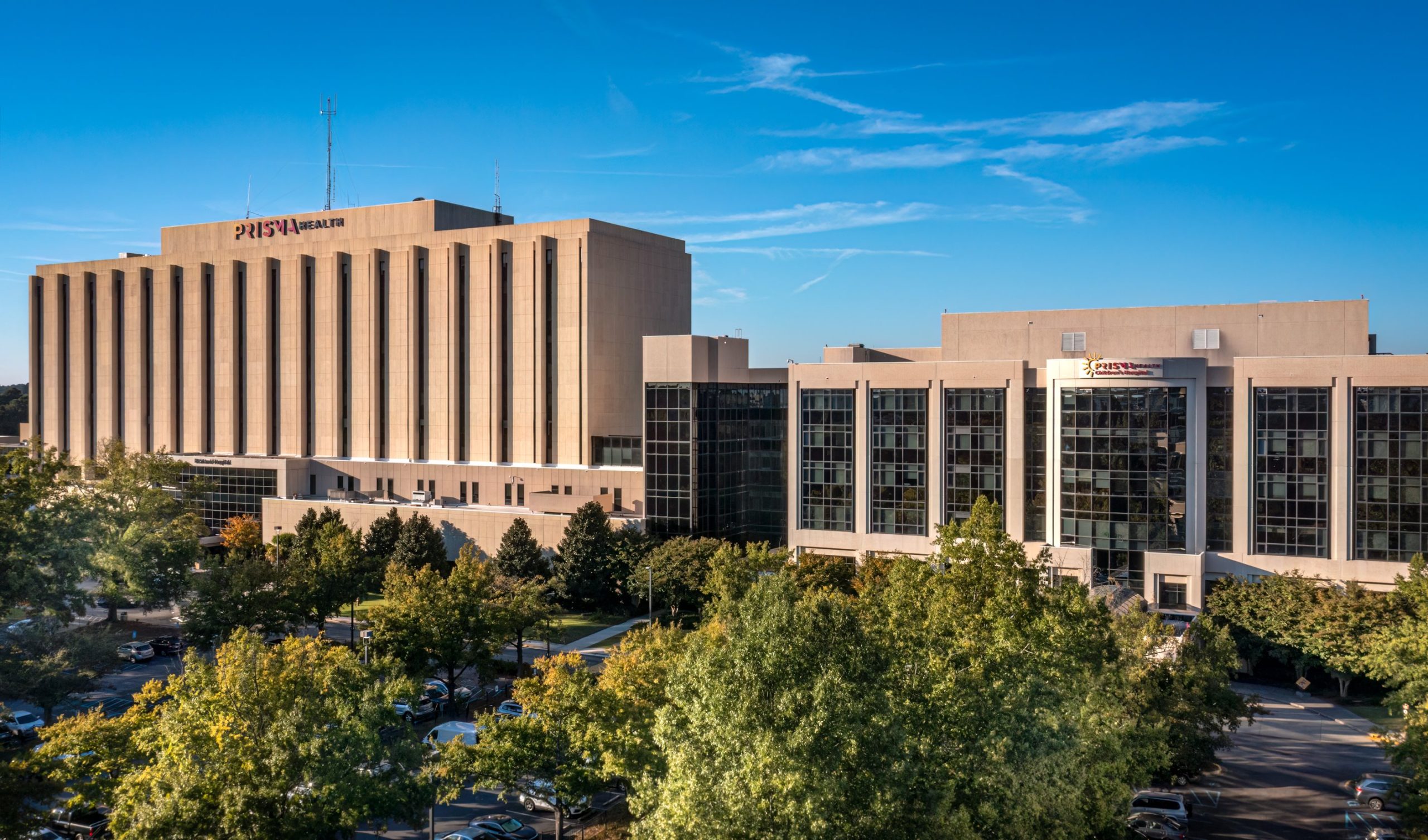
Prisma Health Richland Hospital
Downtown Columbia / 37+ active studies
Cancer, blood disorders, broad hospital research
The flagship Prisma Health hospital in the Midlands. Also, by far the biggest trial operation in the Columbia metro.
Visit Website →
University of South Carolina
Columbia / 27+ active studies
Stroke recovery, physical activity, community health
Notably, a research university that runs federally funded health studies across the Midlands. Specifically, topics range from stroke rehab to disease prevention.
Visit Website →
Bogan Sleep Consultants
Columbia / 7+ active studies
Narcolepsy, sleep disorders
One of the best known private sleep research sites in the Southeast. Also, it has run sleep trials for decades.
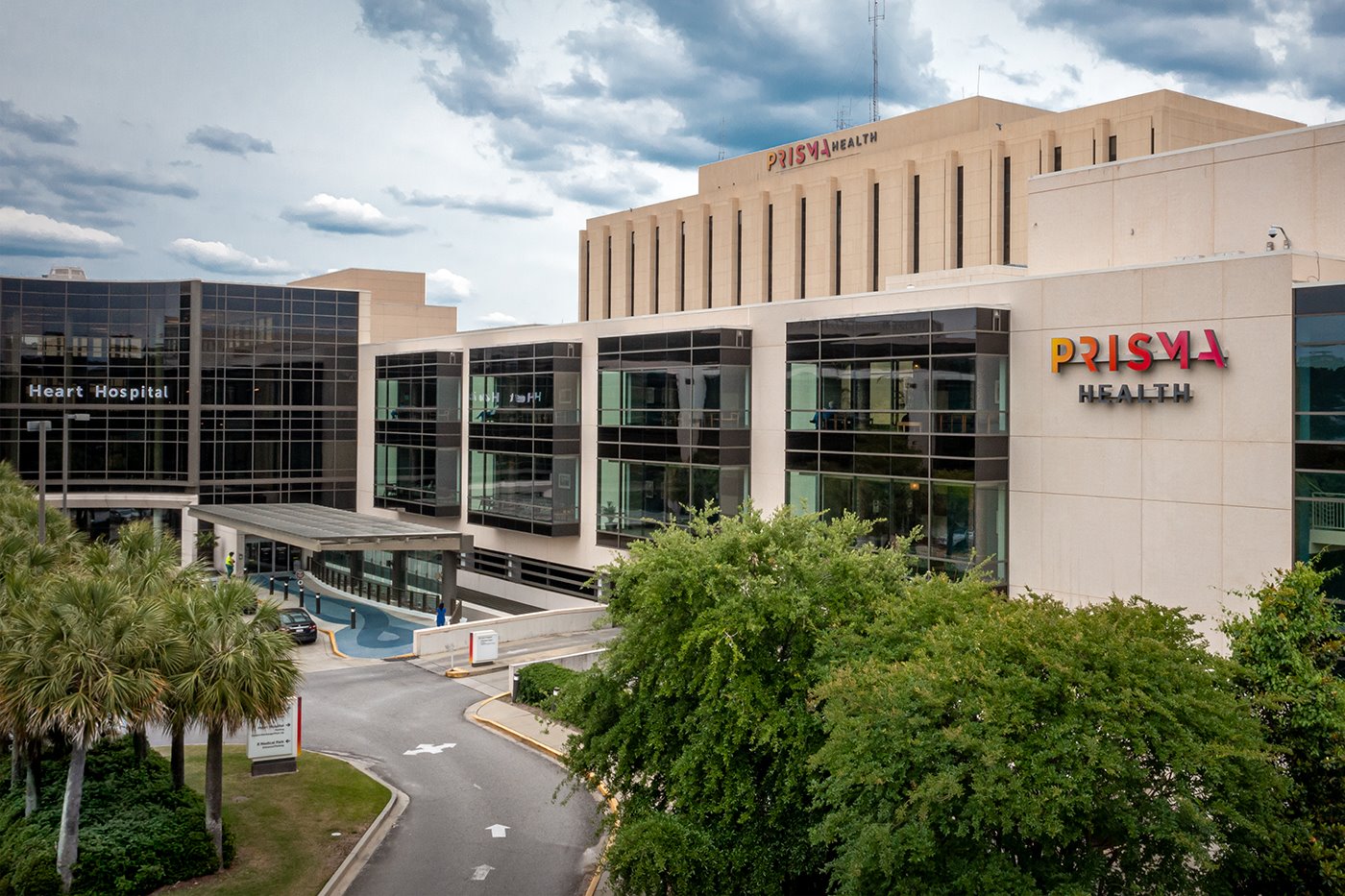
Prisma Health Midlands Cardiovascular
Columbia / 4+ active studies
Cardiovascular disease, heart failure
The heart and vessel research arm of Prisma Health in the Midlands. So it is the natural home for cholesterol trials in Columbia.
Visit Website →
Prisma Health Children’s Hospital, Midlands
Columbia / 4+ active studies
Pediatric growth, cystic fibrosis
Basically, the Midlands hub for children’s research inside the Prisma Health system.
Visit Website →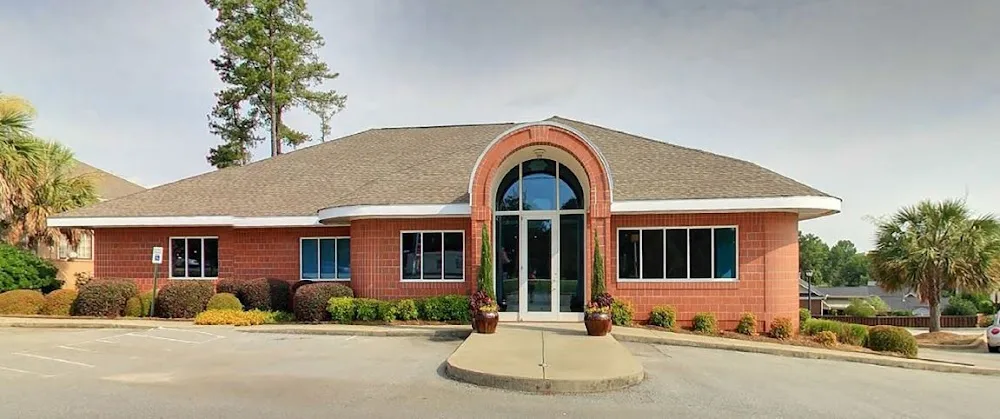
Columbia Dermatology & Aesthetics
Columbia / 4+ active studies
Hidradenitis suppurativa, psoriasis, obesity
A skin care practice with its own research team. It runs both skin and weight studies.
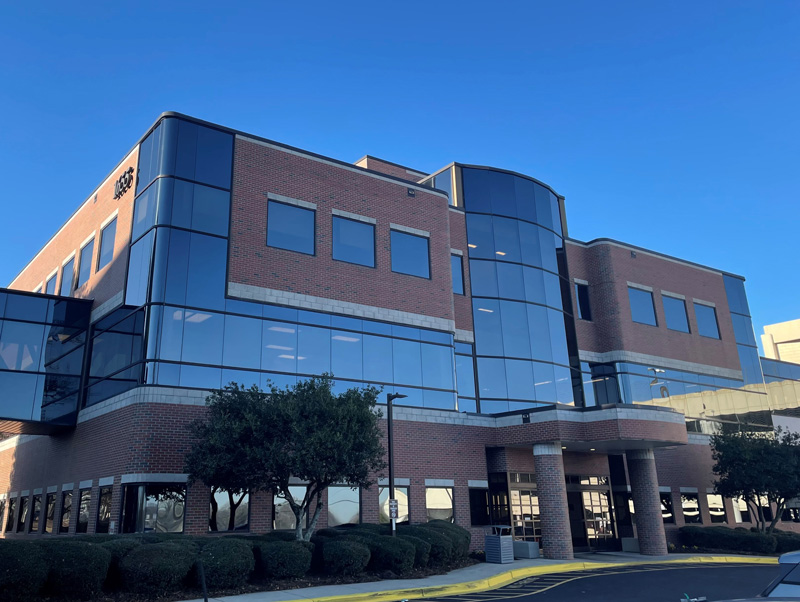
Velocity Clinical Research, Columbia
Columbia / Multiple active studies
COPD, skin conditions, vaccines
Part of one of the biggest research site networks in the country. Besides, it is just the kind of site the huge outcome trials lean on.
Visit Website →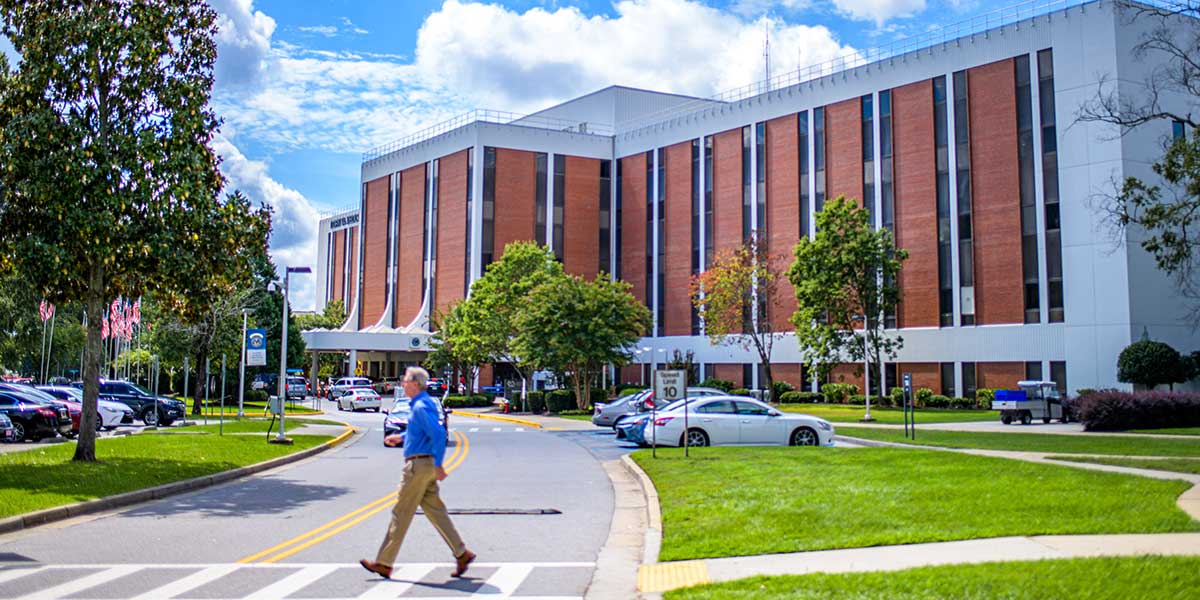
Wm. Jennings Bryan Dorn VA Medical Center
Garners Ferry Road, Columbia / 2+ active studies
Atherosclerosis, liver disease
Columbia’s VA medical center runs studies, including ones on clogged arteries. For veterans, it is often the first door.
Visit Website →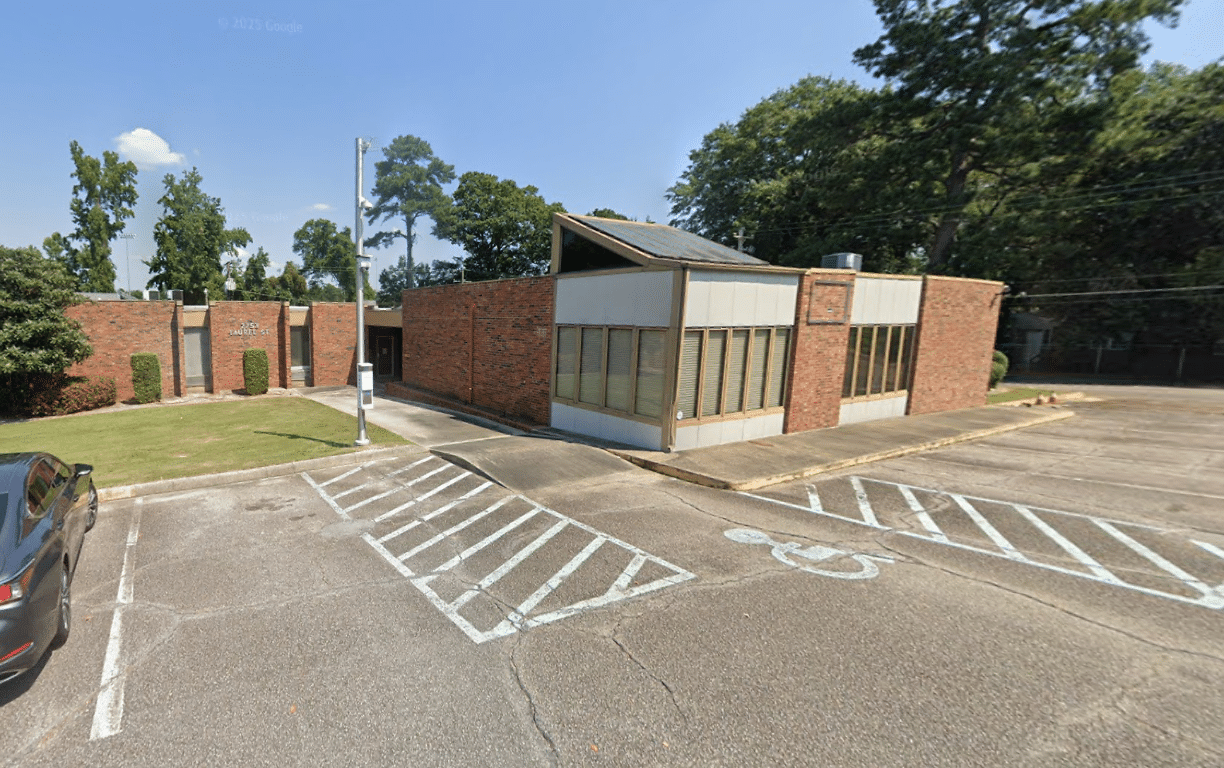
Objective Health, Columbia
Columbia / 2+ active studies
Celiac disease, fatty liver disease
Once called Columbia Digestive Health Research. Now it is part of the Objective Health network. Specifically, it runs gut and liver studies, including fatty liver trials.
Columbia Gastroenterology Associates
Columbia / Active studies
Digestive conditions
A long-running gut health practice. Also, it takes part in digestive trials around Columbia.
What to Expect in an Obesity Trial
New to studies? Here is how one works, step by step.
01
Prescreening
First comes a short phone call or online form. It takes about 10 to 15 minutes. The staff check if you might qualify. Then, if you do, they book your first visit.
02
Screening Visit
Next you visit the clinic. They weigh and measure you, draw blood, and check your heart. Also, they go through the consent form line by line. You can still say no at this point.
03
Treatment Period
Then the study itself begins. You take the drug or the placebo on the schedule you agreed to. Meanwhile, the clinic tracks your weight, your labs, and any side effects.
04
Follow-Up
Finally, there is a check-in period after treatment ends. The clinic makes sure you are doing well. Also, they help you plan what comes next with your own doctor.
Obesity Clinical Trial FAQs
Real answers about obesity clinical trials near Columbia SC.
Are there any obesity studies in Columbia SC right now?
Not open ones, and we would rather say so plainly. Two studies have registered a Columbia site, and both list a start around August 2026. However, neither has begun enrolling yet. Meanwhile, eight studies are open within about two hours of here. So checking your eligibility now covers both, because we will tell you when a Columbia site opens.
How much do obesity clinical trials pay near Columbia?
Most studies pay around $100 per visit for your time and travel. So a longer study with more visits adds up to more. However, the exact amount depends on the study, and the clinic gives you the full schedule before you agree to anything. In short, you are compensated for your time, not paid to take a risk.
Is the drive really worth it?
That is an honest question, and the answer depends on you. The nearest open study is in Monroe, about an hour and 20 minutes north. Meanwhile, the farthest is Myrtle Beach at roughly two and a half hours. You would make that drive many times across a year. However, some studies reimburse travel on top of the visit payment. So ask about that specifically.
Will I have to stop the weight loss medicine I am on now?
Usually yes, and this catches people off guard. Most of these studies require you to be off any weight loss medication for 8 to 12 weeks before starting. Specifically, that includes Wegovy, Zepbound, Saxenda, and compounded peptides. So tell the clinic exactly what you are taking, because the washout period starts from the day you stop.
What is BMI, and what number do I need?
BMI is a rough calculation from your height and weight. Most studies here want a BMI of 30 or higher. However, several accept 27 if you also have high blood pressure, high cholesterol, sleep apnea, or heart disease. Notably, the AURORA-2 study accepts 27 with no other condition needed. BMI is an imperfect measure, and researchers know that. Still, it is what these studies use.
I feel fine. Why would I join a study?
That is exactly the point at which obesity is easiest to treat. Extra weight does not hurt at first, and there is no symptom to warn you. Meanwhile, obesity is linked to as many as half of all new type 2 diabetes cases each year. So feeling fine is not the same as being in the clear. In fact, feeling fine is when you have the most to gain.
Do I need insurance to join?
No. None of these studies requires insurance. The study drug and the study visits cost you nothing. That matters more than it used to, because only 16 percent of mid sized employers covered GLP-1 drugs for weight loss in 2025. So for many people, a trial is the only realistic route to these medicines.
Will I get a placebo?
Sometimes. Every drug study on this page includes a placebo group. However, the exact odds are not published on the public record for any of them. So ask the clinic directly, because they can tell you before you sign the consent form. Also, in the SOLIS-1 study several active arms run at once, so more people receive a real drug than usual.
What is the newest obesity treatment being tested?
Right now the most interesting shift is away from GLP-1 drugs entirely. Eloralintide and cagrilintide both copy amylin instead, and early results suggest much less nausea. Meanwhile, ERX1000 targets leptin, which is a different pathway again. Also, ASC30 and aleniglipron are both trying to deliver GLP-1 results in a pill rather than a shot.
Can I lose weight without drugs?
Yes, and plenty of people do. Diet changes, strength training, and sleep all matter more than most advertising suggests. However, for many people those steps alone do not produce lasting weight loss, and that is biology rather than willpower. Notably, the University of South Carolina runs behavioral weight studies here in Columbia with no drug involved. So both paths are real, and most people do best combining them.
Where can I get obesity help near Columbia SC?
Prisma Health runs weight management and bariatric surgery programs across the Midlands. Also, the University of South Carolina runs behavioral weight research right here in Columbia. Your primary care doctor can refer you to either one. Meanwhile, some employer plans cover a supervised weight program even when they will not cover the medications. So ask about that specifically, because the answer surprises people.
Ready to Explore a Study?
Check your eligibility, or just reach out to our Columbia team. No pressure. Also, no sales pitch.
← Back to All Clinical TrialsSources
- AURORA-1 ASC30 study, ClinicalTrials.gov NCT07743463
- AURORA-2 ASC30 study, ClinicalTrials.gov NCT07743450
- ACCOMPLISH-2 aleniglipron study, ClinicalTrials.gov NCT07654374
- ACCOMPLISH-1 aleniglipron study, ClinicalTrials.gov NCT07654361
- ENLIGHTEN-1 eloralintide study, ClinicalTrials.gov NCT07321886
- Cagrilintide study, ClinicalTrials.gov NCT07607587
- ERX1000 study, ClinicalTrials.gov NCT07570758
- Enith2 enicepatide study, ClinicalTrials.gov NCT07351058
- MARITIME-CV study, ClinicalTrials.gov NCT07037433
- SOLIS-1 Pfizer study, ClinicalTrials.gov NCT07575932
- CDC: 2024 obesity prevalence age maps, BRFSS 2024
- CDC Newsroom: adult obesity prevalence remains high, BRFSS 2023
- CDC PLACES: county level obesity estimates, Richland County SC
- American Heart Association: obesity contributes to up to half of new diabetes cases annually
- Obesity journal: contemporary treatment patterns of overweight and obesity, Mass General Brigham
- KFF 2025 Employer Health Benefits Survey: GLP-1 coverage
- NPR: shrinking insurance coverage for Wegovy and Zepbound
- Healio: eloralintide phase 2 results and expert commentary
- Amgen: MariTide phase 2 results at ADA 2025
- ADA Meeting News: MariTide investigators review trial data
- BioSpace: cagrilintide phase 3 results
Study details and site recruiting status verified against ClinicalTrials.gov on August 15, 2026. The two Columbia sites were listed as not yet recruiting on that date. Study availability and criteria change; the research clinic confirms everything before you enroll.